
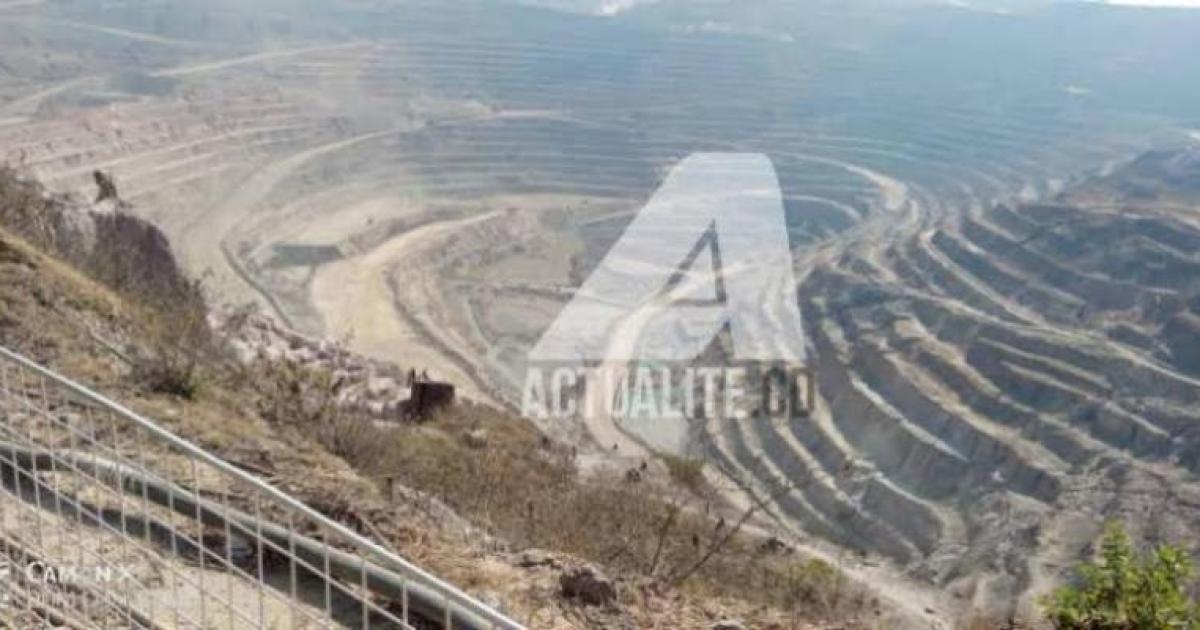
Ministre Watum Lualaba Artisanal Mining: Grappling With Industrial Balance
Summary
- Minister Watum of Mines faces the challenge of balancing nearly one million artisanal miners with industrial operations in Lualaba province.
- Artisanal mining activities exert significant pressure on industrial sites, creating operational difficulties.
- A report published on October 30, 2026, highlighted this major challenge in Lualaba.
- The minister's mandate involves developing policies for sustainable coexistence and conflict resolution.
- Effective management of this dynamic is crucial for Lualaba's economic stability and the broader DRC mining sector.
The Dual Challenge in Lualaba's Mining Sector
The sheer scale of artisanal mining in Lualaba presents a unique governance dilemma for Minister Watum.
The Democratic Republic of Congo's Lualaba province is grappling with a significant and persistent challenge in its vital mining sector, as highlighted in a report published on October 30, 2026. At the heart of this issue is the complex task facing Minister of Mines, Watum, who must navigate the competing interests and operational realities of nearly one million artisanal miners alongside established industrial mining companies. This intricate dynamic creates substantial pressure, particularly from the extensive artisanal operations, which directly impacts the activities of larger, formalized industrial entities within the region.
The sheer scale of artisanal mining in Lualaba presents a unique governance dilemma for Minister Watum. With an estimated one million individuals engaged in these informal extraction activities, their collective footprint and demand for resources inevitably intersect with, and often encroach upon, concessions held by industrial operators. This situation underscores a fundamental tension between large-scale, capital-intensive mining and the widespread, often subsistence-driven, artisanal practices that characterize much of the Congo's mineral-rich areas.
Navigating Operational Pressures and Legal Frameworks
The pressure exerted by artisanal mining on industrial operations in Lualaba is not merely theoretical; it manifests in tangible challenges such as site incursions, resource disputes, and security concerns. Industrial mining companies often face disruptions to their planned extraction activities and significant operational hurdles due to the proximity and sometimes direct presence of artisanal miners on or near their licensed concessions. This ongoing friction demands a robust and clear regulatory response to ensure both the viability of industrial investments and the livelihoods of the artisanal workforce.
For the DRC mining minister Watum, establishing a sustainable Lualaba artisanal industrial mining balance requires more than just enforcement; it necessitates the development of comprehensive policies that can delineate operational zones, facilitate formalization pathways for artisanal miners, and provide effective mechanisms for Lualaba mining conflict resolution. The current situation highlights the urgent need for a framework that can accommodate the economic realities of both sectors while mitigating the potential for conflict and ensuring responsible resource management across the province.
Minister Watum's Mandate for Sectoral Balance
Minister Watum's primary mandate in this context is to forge a sustainable Watum mining sector balance that addresses the economic imperatives of both industrial and artisanal mining. This involves a delicate act of policy formulation aimed at protecting the substantial investments made by industrial firms, which contribute significantly to national revenues, while also recognizing the socio-economic role of artisanal mining as a source of income for a vast population. The challenge extends beyond mere coexistence to fostering a more integrated and less conflict-prone mining ecosystem.
Achieving this balance will likely require the implementation of new regulatory measures, which could include clearer land use planning, designated artisanal mining zones, and enhanced oversight to prevent illegal encroachment. Such interventions by Minister Watum's office would aim to reduce the current operational pressures on industrial sites and provide greater clarity and security for all stakeholders. The success of these efforts will be crucial for the long-term stability and productivity of Lualaba's mining industry, impacting both local communities and international investors.
Broader Implications for Congo's Mining Future
The situation in Lualaba serves as a microcosm of the broader Congo artisanal mining challenges faced across the Democratic Republic of Congo. The effective management of the relationship between artisanal and industrial mining operations has far-reaching implications for the country's economic development, social stability, and international reputation in the global mineral supply chain. How Minister Watum addresses this specific challenge in Lualaba could set precedents for other mineral-rich provinces.
Stakeholders, including industrial mining companies, artisanal cooperatives, local communities, and international bodies, are closely observing the policy developments emanating from Minister Watum's office. The decisions made regarding land allocation, dispute resolution, and regulatory enforcement will directly influence operational environments, investment climates, and the overall trajectory of responsible mineral sourcing from the DRC. The ongoing effort to achieve a harmonious balance is paramount for the future of Lualaba's and indeed the DRC's mining sector.
Practical Implications
Lawyers advising industrial mining companies or artisanal cooperatives in Lualaba should closely monitor policy developments and potential regulatory interventions from Minister Watum's office. This ongoing challenge of balancing artisanal and industrial mining operations could lead to new directives, land use restrictions, or dispute resolution frameworks that directly impact client operations and compliance obligations.
Source
Source: Original reporting via PMaki
How does this affect you?
Get an AI analysis of this article grounded in your jurisdictions, practice areas, and any policy documents you've uploaded to Wansom.
Finish Reading the Full Story and the Expert Analysis.
Wansom is AI and can make mistakes.