
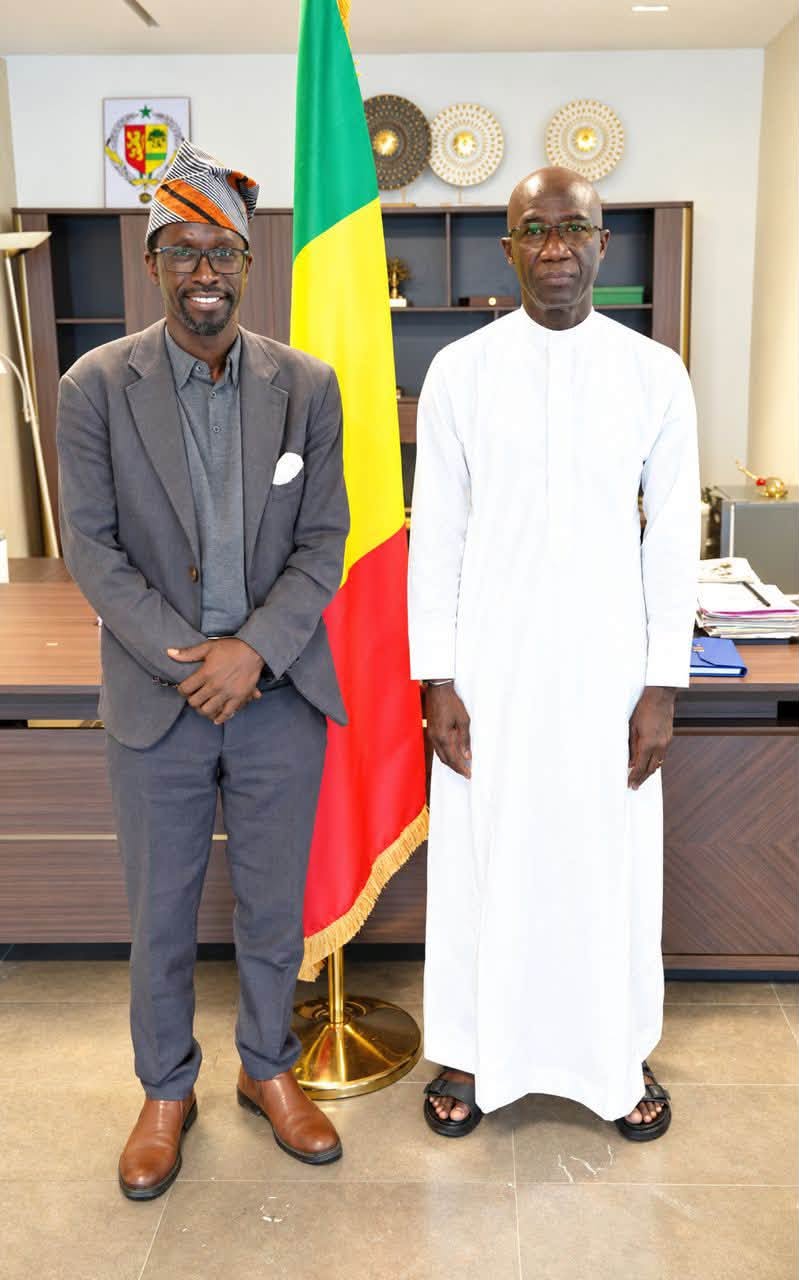
LSDH Ministre Moussa Sarr Initiatives: Protecting Vulnerable, Enforcing Rights
Summary
- On September 4, 2026, the Ligue sénégalaise des droits humains (LSDH) met with Senegal's Minister of Justice, Me Moussa Sarr, to discuss human rights and vulnerable persons.
- LSDH presented its 2026-2030 priorities, including training for women, children, and persons with disabilities, alongside fundamental rights advocacy initiatives.
- Discussions highlighted a significant challenge in Senegal: the 2025 report from the African Court of Human and Peoples' Rights showed only 2 out of 104 decisions fully executed.
- Minister Sarr reaffirmed the state's commitment to international human rights obligations and encouraged LSDH to propose concrete measures for vulnerable populations.
- The Minister acknowledged human rights organizations as essential partners in public action and expressed willingness to address operational issues reported by the LSDH.
Dialogue on Human Rights and Vulnerable Populations
Human rights organizations constitute an essential relay of public action.
On Friday, September 4, 2026, a significant meeting took place between a delegation from the Ligue sénégalaise des droits humains (LSDH) and Senegal's Ministre de la Justice, Me Moussa Sarr. The LSDH delegation, led by its president, Denis Ndour, engaged in comprehensive discussions centered on the crucial issue of protecting vulnerable persons in Senegal and fostering enhanced cooperation with civil society organizations. During this productive exchange, the LSDH outlined its strategic priorities for the upcoming 2026-2030 period, which notably include targeted training programs specifically designed to empower women, children, and individuals living with disabilities across the nation.
Beyond these educational initiatives, the LSDH also presented various advocacy efforts aimed at upholding fundamental human rights. A notable aspiration shared by the organization was its expressed desire to actively contribute to the successful staging of the Youth Olympic Games in Dakar in 2026, demonstrating its commitment beyond traditional advocacy. The comprehensive agenda for the meeting also encompassed a detailed review of economic and social rights, underscoring the broad scope of human rights concerns addressed by the LSDH Ministre Moussa Sarr initiatives.
Judicial Enforcement of International Human Rights Standards
A critical point of discussion during the meeting revolved around the domestic application of international conventions that have been ratified by Senegal, alongside the effective enforcement of decisions issued by community courts. This particular challenge has been a consistent focal point for Ministre Moussa Sarr, who had previously convened a regional workshop specifically dedicated to exploring the pivotal role of national judges in implementing rulings from various human rights protection bodies. The urgency and scale of this matter are starkly illustrated by the 2025 report from the Cour africaine des droits de l’homme et des peuples, which revealed a concerning statistic: out of 104 decisions issued, only two had been fully executed.
This notably low rate of compliance highlights a significant systemic hurdle for droits humains Sénégal exécution décisions, emphasizing the pressing need for a robust "dialogue of judges" and strengthened collaboration among national judiciaries, regional community institutions, and human rights advocacy groups. The discussions underscored the ongoing efforts to bridge the gap between Senegal's international legal commitments and their practical, effective implementation within the national legal framework.
Government Commitment and Civil Society's Role
In response to the array of concerns and proposals raised by the LSDH, Ministre Moussa Sarr unequivocally reaffirmed the Senegalese state's unwavering commitment to honoring its international obligations concerning human rights. He took the opportunity to commend the vital work performed by human rights organizations, acknowledging their indispensable role in the national landscape of justice and advocacy. Furthermore, the Minister expressed his readiness to thoroughly examine the operational difficulties reported by the LSDH, signaling a supportive and responsive stance from the government regarding civil society challenges.
Regarding the complex area of economic and social rights, the Garde des Sceaux encouraged the LSDH to move beyond merely identifying existing problems and to instead formulate concrete, actionable measures that would directly benefit the most vulnerable segments of the population. Ministre Sarr emphasized that "Human rights organizations constitute an essential relay of public action," highlighting the government's view of civil society as a crucial partner in achieving its human rights objectives and advancing the protection personnes vulnérables Sénégal. This LSDH coopération société civile is thus seen as vital for effective governance and the robust enforcement of rights.
Practical Implications
This meeting signals the Senegalese Ministry of Justice's focus on human rights, particularly the protection of vulnerable persons and the implementation of international conventions. Lawyers should be aware of the government's stated commitment to these areas and the ongoing dialogue with civil society, which may influence future legal reforms or enforcement priorities, especially concerning the execution of regional human rights court decisions.
Source
How does this affect you?
Get an AI analysis of this article grounded in your jurisdictions, practice areas, and any policy documents you've uploaded to Wansom.
Finish Reading the Full Story and the Expert Analysis.
Wansom is AI and can make mistakes.