
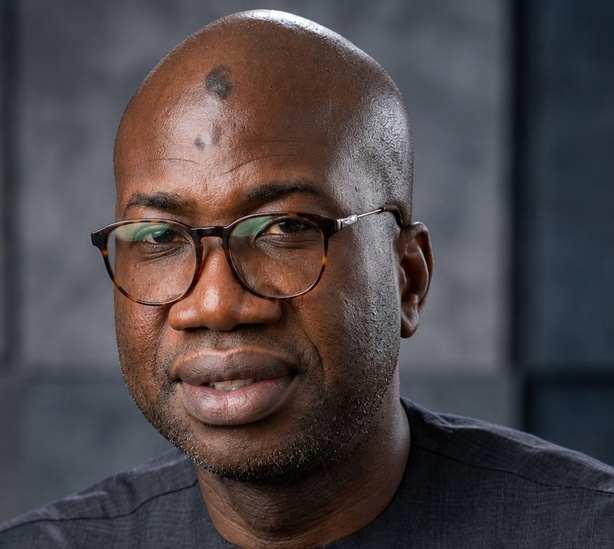
Louga Tribunal: Matar Ndiaga Seck Trial Postponed to December 14
Summary
- The trial of Matar Ndiaga Seck and 31 co-defendants was postponed on November 11, 2026, by the Louga tribunal correctionnel.
- The next hearing is scheduled for December 14, 2026, to address procedural matters and ensure a co-defendant's appearance.
- The case, which began in April 2026, expanded after police exploited Matar Ndiaga Seck's phone data, leading to 32 accused.
- Defendants face charges including criminal conspiracy, unnatural acts, voluntary HIV transmission, and illicit data collection.
- The postponement was primarily due to the health status and required extraction of co-defendant Mouhamed Ndiaye and the absence of a defense lawyer.
What Happened
This ongoing trial, marked by the Matar Ndiaga Seck trial Louga postponement, serves as a critical example of the procedural intricacies and potential for delays inherent in multi-defendant criminal cases within the Senegalese judicial system.
The high-profile criminal trial involving Matar Ndiaga Seck and 31 co-defendants, totaling 32 accused individuals, faced a significant procedural delay at the Louga tribunal correctionnel. During its scheduled session on November 11, 2026, the court did not proceed to examine the merits of the case, opting instead to postpone the proceedings. A new hearing date has been set for December 14, 2026, to address outstanding issues before the trial can advance.
This extensive legal matter originated in April 2026, following an initial police investigation. The scope of the inquiry broadened considerably after authorities exploited data from Matar Ndiaga Seck's mobile phone. This digital evidence reportedly uncovered a purported network of individuals involved in recruitment and partnerships, with contacts allegedly exchanged through photographs and phone numbers. The ongoing investigation led to the provisional detention of six additional suspects, including a medical professional, a fashion designer, a jeweler, and three bankers, further expanding the roster of Matar Ndiaga Seck co-defendants.
All 32 individuals involved in the case are facing a range of serious allegations. These include charges of criminal conspiracy (association de malfaiteurs), engaging in actes contre nature Senegal charges, and the voluntary transmission of HIV/AIDS (transmission volontaire du VIH/sida). Further accusations encompass endangering the lives of others (mise en danger de la vie d’autrui), the illicit collection of personal data (collecte illicite de données à caractère personnel), and sexual harassment (harcèlement sexuel). The breadth of these charges underscores the complexity and gravity of the legal issues at stake in the Louga tribunal correctionnel.
Procedural Complexities
The primary reason for the recent Matar Ndiaga Seck trial Louga postponement stemmed from a request by the prosecutor, who highlighted several procedural hurdles. A key concern was the status of one of the co-defendants, Mouhamed Ndiaye, also known as Oustaz. According to information presented by the prosecution, Ndiaye was reportedly housed in a special ward due to health considerations, necessitating his Mouhamed Ndiaye extraction for appearance in court. Additionally, the prosecutor noted the absence of Me Cheikh Ndiaye, a defense attorney formally engaged in the proceedings, who was reported to be outside the national territory.
To facilitate the appearance of Mouhamed Ndiaye, the prosecution suggested December 28 as a suitable date for the next hearing. However, defense counsel presented alternative perspectives and proposals. One defense lawyer asserted that Mouhamed Ndiaye had already been transferred from the special ward and was currently detained at Louga prison, arguing that a three-week delay would be sufficient to ensure his presence. Another attorney, advocating for the principles of a fair trial, proposed an earlier date of November 26 and formally requested that the proceedings be conducted behind closed doors, or huis clos.
After considering the arguments from both sides, the Louga tribunal correctionnel ultimately decided to schedule the subsequent hearing for December 14, 2026. This session is designated for the presentation of pleadings and to ensure the extraction and attendance of Mouhamed Ndiaye. The presiding judge indicated that a ruling on the defense's request for closed-door proceedings would be made at the commencement of the December 14 hearing, emphasizing the court's careful approach to procedural matters in this high-stakes case.
Broader Implications
The extensive judicial ramifications of this case extend far beyond the initial allegations against Matar Ndiaga Seck, touching upon various aspects of Senegalese law and criminal procedure. The array of charges, including actes contre nature Senegal charges, Transmission VIH Senegal law, and collecte illicite de données à caractère personnel, highlights the complex legal landscape involved. The case's expansion, driven by digital evidence from Ndiaga Seck's phone, underscores the growing importance of digital forensics in contemporary criminal investigations in Senegal.
The involvement of a diverse group of professionals, such as a doctor, a stylist, a jeweler, and bankers, among the newly accused, suggests a wide-reaching alleged network. This complexity places unique demands on the Senegal criminal procedure renvoi process, as seen in the recent postponement. The presence of civil parties, Serigne Modou and Abdou Cissé, at the November 11 hearing further emphasizes the public interest and potential victim impact associated with the alleged offenses.
This ongoing trial, marked by the Matar Ndiaga Seck trial Louga postponement, serves as a critical example of the procedural intricacies and potential for delays inherent in multi-defendant criminal cases within the Senegalese judicial system. The court's handling of requests for defendant extraction, such as that for Mouhamed Ndiaye, and decisions regarding closed-door proceedings will be closely watched, potentially setting precedents for future cases involving similar complex issues and serious charges.
Practical Implications
Lawyers and compliance officers in Senegal should monitor this high-profile criminal trial, as it involves complex procedural issues like defendant extraction and requests for closed-door proceedings, alongside serious charges including 'actes contre nature' and illicit data collection. The case could set precedents regarding digital evidence and the application of various criminal statutes in multi-defendant scenarios, highlighting the procedural intricacies and potential for delays in the Senegalese judicial system.
Source
Source: Original reporting via Exclusif.
How does this affect you?
Get an AI analysis of this article grounded in your jurisdictions, practice areas, and any policy documents you've uploaded to Wansom.
Finish Reading the Full Story and the Expert Analysis.
Get the latest legal & regulatory intelligence in Senegal
Wansom is AI and can make mistakes.