
DRC, Angola, Zambia: Renew Push for Lobito Corridor Acceleration
Summary
- The Democratic Republic of Congo, Angola, and Zambia are committed to accelerating the implementation of the Lobito Corridor.
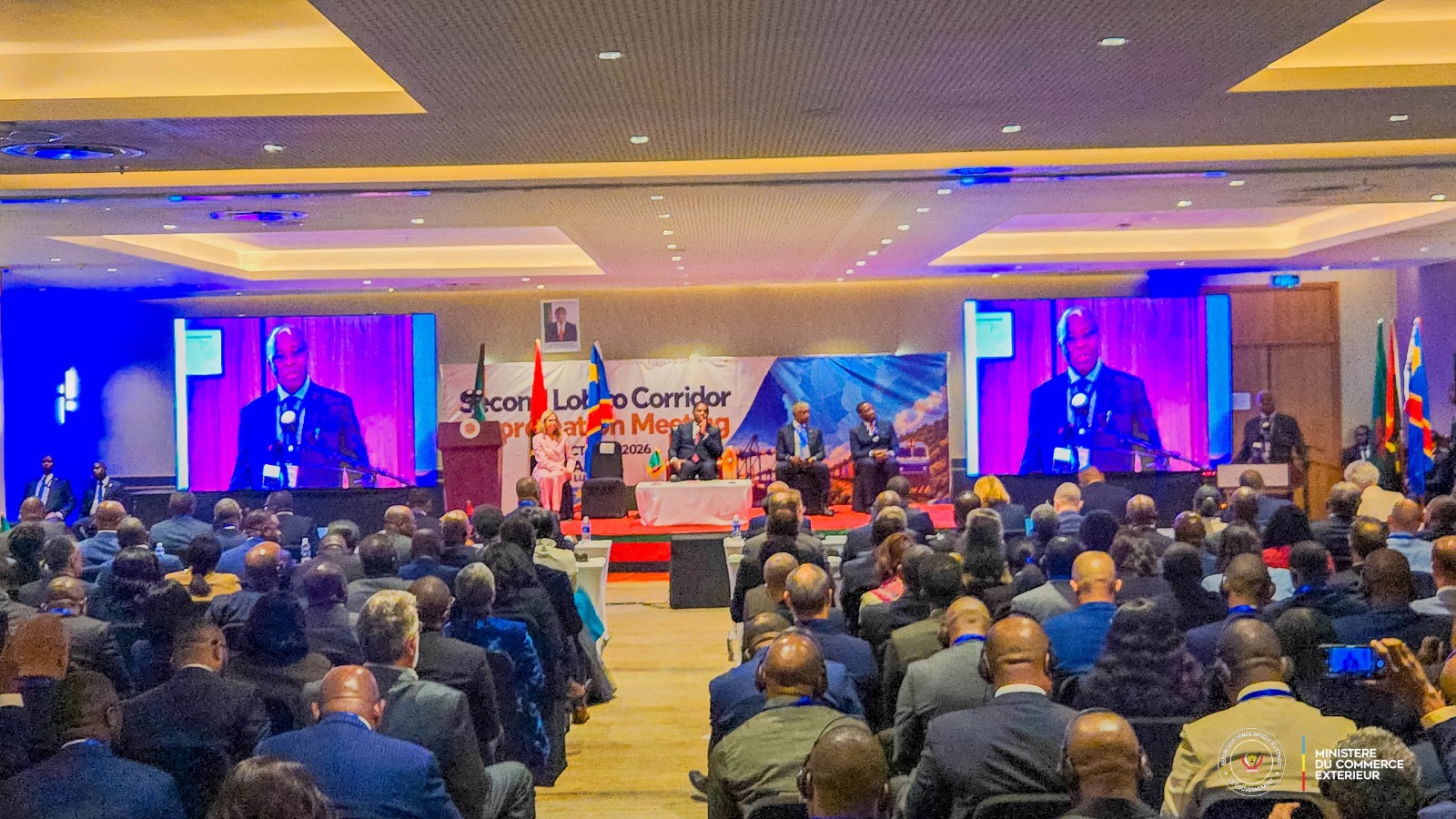
- A second high-level coordination meeting for the project took place in Lusaka, Zambia, starting on Monday, October 5.
- The World Bank, African Development Bank, and other partners attended the meeting, signaling strong international support.
- The Lobito Corridor is a key infrastructure project aimed at boosting regional integration and trade in Southern Africa.
Accelerated Implementation for Key Trade Route
The concerted effort to accelerate the Lobito Corridor's implementation signals a period of intense activity and presents new opportunities and challenges for legal professionals and compliance officers.
The Democratic Republic of Congo (DRC), Angola, and Zambia are collectively pushing for the accelerated implementation of the Lobito Corridor, a critical infrastructure project poised to transform regional trade. This renewed commitment was a central theme at the second high-level coordination meeting dedicated to the initiative, which commenced on Monday, October 5, in Lusaka, Zambia. The gathering underscored a unified regional strategy to expedite the development and operationalization of this vital transport artery.
Key international partners, including the World Bank and the African Development Bank (AfDB), were present at the Lusaka meeting, signaling significant multilateral support for the project. Their participation, alongside other stakeholders, highlights the global recognition of the Lobito Corridor's potential to unlock economic growth and facilitate cross-border commerce across Southern Africa. The focus on acceleration indicates a strategic shift towards tangible progress and overcoming previous implementation hurdles.
Strategic Importance for Regional Integration
The Lobito Corridor represents more than just a transportation route; it is a cornerstone for enhanced Southern Africa regional integration. This ambitious DRC Angola Zambia infrastructure project is designed to provide a direct and efficient link from the mineral-rich regions of the DRC and Zambia to the Angolan port of Lobito on the Atlantic coast. Such a connection is expected to significantly reduce logistics costs and transit times for exports and imports, thereby boosting the competitiveness of goods from these landlocked nations.
Beyond its immediate economic benefits, the corridor is anticipated to foster deeper political and economic ties among the participating nations. The collaborative effort to accelerate its development reflects a shared vision for a more interconnected and prosperous region. The strategic alignment of the DRC, Angola, and Zambia, supported by international financial institutions, sets a precedent for large-scale, multi-national infrastructure endeavors aimed at sustainable development.
Financial Backing and Legal Frameworks
The presence of major financial institutions like the World Bank and the African Development Bank at the Lusaka meeting is crucial for the successful realization of the Lobito Corridor. Their involvement is indicative of the substantial project finance legal structures and investment required to bring such a large-scale initiative to fruition. These institutions typically provide not only funding but also technical assistance and guidance on governance, environmental standards, and legal compliance, which are all vital for a project of this magnitude.
Developing and implementing the Lobito Corridor project finance legal frameworks will involve complex negotiations and agreements spanning multiple jurisdictions. This includes securing financing, establishing concession agreements, and harmonizing regulatory environments across the three nations. The commitment from these international partners underscores the financial viability and strategic importance of the Lobito Corridor acceleration DRC Angola Zambia, paving the way for significant investment and legal work in the coming years.
Future Outlook and Legal Implications
The concerted effort to accelerate the Lobito Corridor's implementation signals a period of intense activity and presents new opportunities and challenges for legal professionals and compliance officers. As the project moves forward, there will be a heightened demand for expertise in areas such as construction law, international trade law, and cross-border logistics. Lawyers should closely monitor the progress of this initiative for potential new legal work in project finance, construction, and international trade, particularly concerning cross-border logistics and investment opportunities in the DRC, Angola, and Zambia.
Furthermore, compliance officers should anticipate evolving regulatory frameworks impacting supply chain and customs procedures along this critical trade route. The harmonization of laws and regulations across the three countries will be essential for the corridor's efficiency, necessitating a proactive approach to understanding and adapting to new legal requirements. The Lobito Corridor is not just an infrastructure project; it is a catalyst for significant legal and regulatory evolution in the region.
Practical Implications
Lawyers should monitor the accelerated implementation of the Lobito Corridor for new legal work in project finance, construction, and international trade, particularly concerning cross-border logistics and investment opportunities in the DRC, Angola, and Zambia. Compliance officers should anticipate evolving regulatory frameworks impacting supply chain and customs procedures along this critical trade route.
Source
Source: Original reporting via {source}
How does this affect you?
Get an AI analysis of this article grounded in your jurisdictions, practice areas, and any policy documents you've uploaded to Wansom.
Finish Reading the Full Story and the Expert Analysis.
Get the latest legal & regulatory intelligence in DR Congo
Wansom is AI and can make mistakes.