
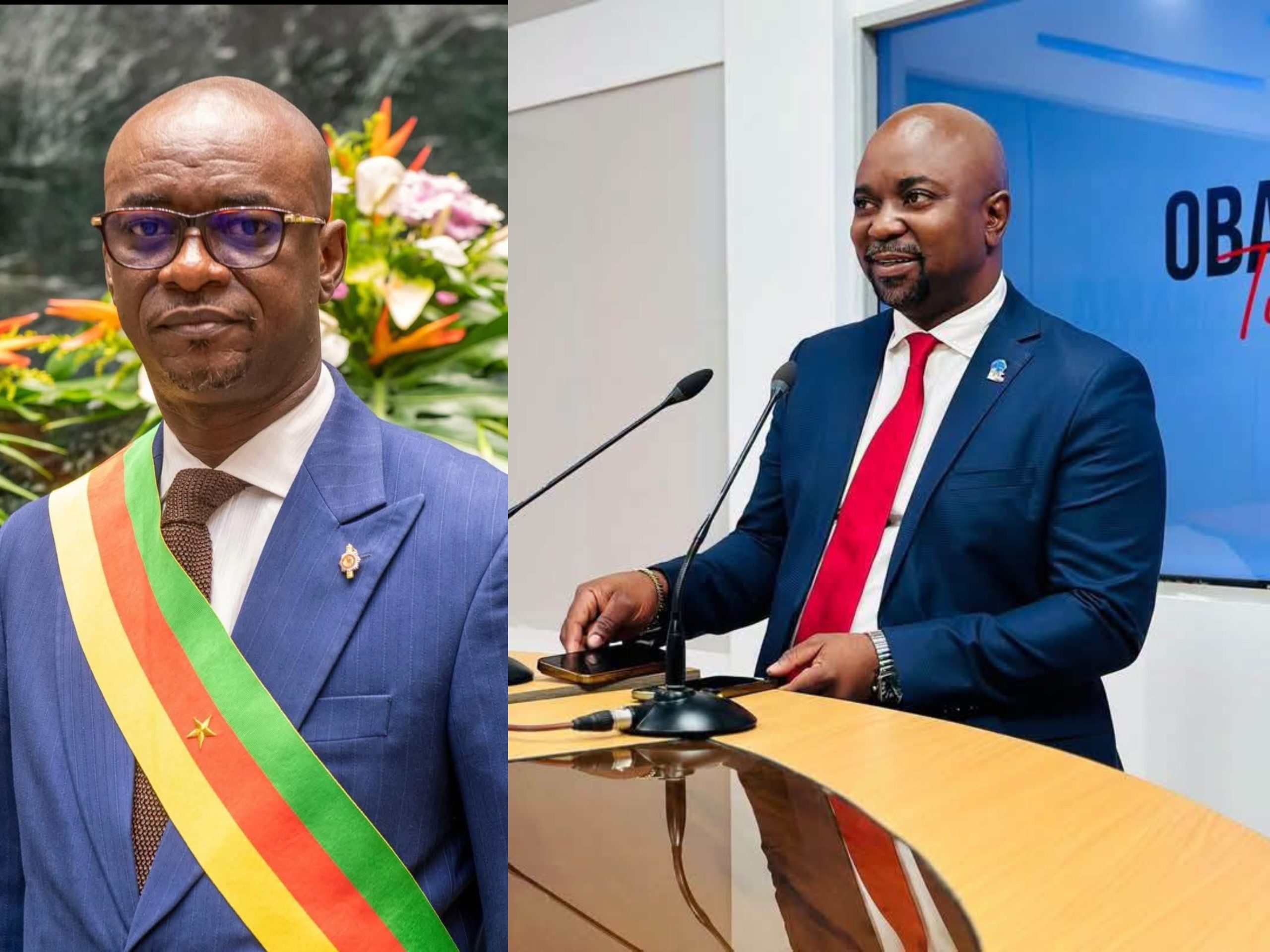
Cameroon Liyeplimal Fraud: Pierre Blériot Nyemeck Reimburses, Cabral Libii Silent
Summary
- The Liyeplimal investment scheme, created by Emile Parfait Simb, was a fraudulent Ponzi scheme promising 400% annual returns in Cameroon.
- Prominent figures Pierre Blériot Nyemeck, Cabral Libii, and Armand Okol endorsed Liyeplimal, encouraging Cameroonians to invest.
- After the scheme's collapse, Pierre Blériot Nyemeck personally reimbursed all investors who subscribed through his channel.
- Cabral Libii and Armand Okol remained silent and offered no restitution, with Libii reportedly using parliamentary immunity as protection.
- Analyst Oscar Njiki argues that Cabral Libii's actions, or lack thereof, disqualify him from aspiring to lead Cameroon, citing either a severe lack of discernment or complicity in the fraud.
The Liyeplimal Investment Scandal Unfolds
This situation highlights the potential for public figures to face civil liability for investor losses and the risk of complicity in fraud, even if claiming ignorance.
The Liyeplimal investment initiative, spearheaded by Emile Parfait Simb, who is currently at large, has drawn significant scrutiny in Cameroon. This scheme, which was promoted as a "reliable," "revolutionary," and forward-looking opportunity, ultimately proved to be a fraudulent operation. Analyst Oscar Njiki has highlighted the roles of several prominent individuals in endorsing this venture, which promised an unrealistic 400% annual return, a hallmark often associated with a Ponzi scheme.
Prior to its collapse, Liyeplimal garnered support from media personalities and public figures, including Pierre Blériot Nyemeck, Cabral Libii, and Armand Okol. These endorsements played a crucial role in convincing numerous Cameroonians to invest their personal savings, tontines, and future hopes into the platform. The scheme's fraudulent nature became undeniable when investor Visa cards ceased functioning, leading to widespread distress among subscribers.
Divergent Paths to Accountability
Following the unmasking of the Liyeplimal fraud, the responses from its prominent endorsers diverged sharply. Pierre Blériot Nyemeck openly acknowledged his past support for the initiative, taking full responsibility for his involvement. Crucially, when the investment scam unraveled, Nyemeck took the extraordinary step of personally reimbursing all individuals who had subscribed to Liyeplimal through his channel. This act of restitution has been noted for its integrity, with no public accusations of theft emerging from his former recruits, underscoring his commitment to rectifying the situation.
In stark contrast, Cabral Libii and Armand Okol, who also actively promoted Liyeplimal and encouraged investments, adopted a different approach. Despite existing video and audio evidence of their endorsements, they maintained complete silence after the fraud was exposed. Neither individual provided any reimbursement to the affected investors nor offered words of compassion or repair. Cabral Libii, a parliamentarian, has reportedly sought refuge behind the protections of parliamentary immunity, a move that has been criticized for enabling a lack of accountability in the face of significant financial fraud liability for investors in Cameroon.
Political Aspirations and Ethical Dilemmas
The actions, or inactions, of Cabral Libii in the wake of the Liyeplimal Ponzi scheme raise serious questions about his suitability for higher office. As an individual who aspires to the highest state function in Cameroon, his response to the investment scam has been framed as a critical test of character and judgment. Analyst Oscar Njiki posits that if Libii genuinely claimed ignorance regarding the fraudulent nature of the 400% annual returns, such a plea would only be credible if followed by reparations, mirroring the actions of Pierre Blériot Nyemeck.
The failure to offer restitution presents a difficult dilemma for a public servant. It either suggests a profound lack of discernment, implying an inability to recognize an obvious scam, which would be a severe indictment for someone aspiring to manage a nation of 28 million people. Alternatively, it could indicate complicity, meaning he was aware of the fraud and chose to facilitate it. In either scenario, according to Njiki, such conduct disqualifies him from leading Cameroon, highlighting the significant reputational risks for public figures endorsing investment schemes that prove fraudulent.
Why It Matters for Public Trust
The Liyeplimal scandal underscores the critical importance of accountability for public figures who endorse financial products, especially those promising unrealistic returns. The contrasting responses of Pierre Blériot Nyemeck and Cabral Libii serve as a stark illustration of ethical leadership versus perceived evasion. Nyemeck's decision to reimburse investors demonstrates a commitment to probity and responsibility, even at personal cost, thereby rebuilding trust.
Conversely, the silence and reliance on parliamentary immunity by Cabral Libii and Armand Okol, particularly when their camp has reportedly accused Nyemeck of wrongdoing, further erodes public confidence. This situation highlights the potential for public figures to face civil liability for investor losses and the risk of complicity in fraud, even if claiming ignorance. The incident serves as a cautionary tale regarding the ethical obligations and heightened scrutiny faced by individuals associated with financial products, particularly in cases of unrealistic returns, and the long-term impact on public trust in institutions and leaders in Cameroon.
Practical Implications
This article highlights the significant legal and reputational risks for public figures endorsing investment schemes, particularly those that prove fraudulent. Lawyers should advise clients, especially those in public office, on potential civil liability for investor losses and the risk of complicity in fraud, even if claiming ignorance, especially when parliamentary immunity is perceived as a shield. Compliance officers should note the heightened scrutiny and ethical obligations for individuals associated with financial products, particularly in cases of unrealistic returns.
Source
How does this affect you?
Get an AI analysis of this article grounded in your jurisdictions, practice areas, and any policy documents you've uploaded to Wansom.
Wansom is AI and can make mistakes.