
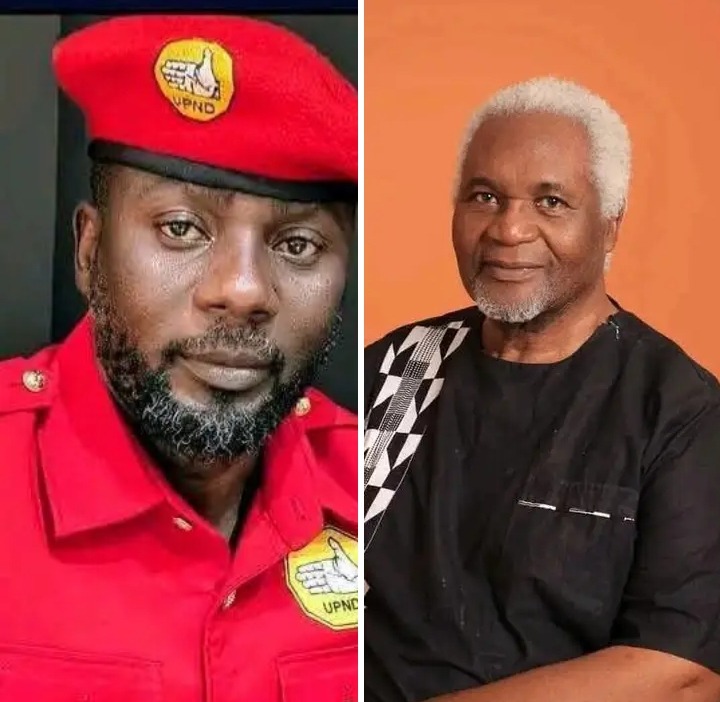
UPND: Liswaniso Rejects Zambia Treason Suspects Release
Summary
- The UPND, represented by Liswaniso, has strongly rejected calls to release individuals facing treason charges in Zambia.
- Prince Akashambatwa Mbikusita Lewanika, Chairperson of the Council of Elders for Ethical Leadership, Democracy and Development, made the appeal.
- The ruling party described Lewaniso's proposal as misguided and contrary to the rule of law.
- Lewanika also extended his appeal to African leaders regarding the matter.
- This rejection underscores the Zambian government's commitment to judicial independence and due process in serious criminal cases.
Liswaniso Rejects Call for Treason Suspects' Release
The UPND's categorical rejection of the Akashambatwa Mbikusita Lewanika appeal is rooted in a deep respect for the Zambian rule of law.
The United Party for National Development (UPND) has firmly dismissed appeals for the liberation of individuals currently facing treason charges in Zambia. This strong rejection was articulated by Liswaniso, representing the ruling party, who characterized the proposition as both misguided and fundamentally contrary to the established principles of the rule of law. The UPND's stance underscores a commitment to judicial processes, particularly concerning serious allegations such as treason.
These calls for release originated from Prince Akashambatwa Mbikusita Lewanika, who holds the position of Chairperson for the Council of Elders for Ethical Leadership, Democracy and Development. Lewanika's advocacy extended beyond national borders, as he also made a broader appeal to African leaders regarding the matter. However, the UPND, through Liswaniso's statement, has made it clear that such external or political interventions will not sway the course of justice in these grave cases.
The party's definitive response highlights a resolve to ensure that legal proceedings, especially those involving Zambia treason charges, are allowed to run their course without undue influence. This position serves as a significant update on the legal landscape surrounding these high-stakes accusations, reinforcing the government's dedication to upholding legal frameworks.
Legal and Political Context of the Rejection
The UPND's categorical rejection of the Akashambatwa Mbikusita Lewanika appeal is rooted in a deep respect for the Zambian rule of law. By labeling the suggestion to free alleged treason suspects as 'misguided' and 'contrary to the rule of law,' the party signals its unwavering commitment to judicial independence and due process. Treason charges are among the most serious offenses in any legal system, carrying profound implications for national security and governance, necessitating a rigorous and impartial legal examination.
This Liswaniso statement on treason underscores the government's position that judicial outcomes must be determined by evidence presented in court and adherence to legal statutes, rather than through political pressure or appeals from external bodies. The emphasis on the rule of law suggests that any resolution for individuals facing these charges must come through the established legal channels, ensuring that justice is administered fairly and without prejudice.
Such a firm stance from the ruling party indicates that political considerations will not override the legal framework governing serious criminal accusations. It reinforces the expectation that all parties, regardless of their standing or influence, must respect the integrity of the judicial system in Zambia.
Why This Stance Matters for Zambia
The UPND's clear declaration, particularly Liswaniso's rejection of calls for Zambia treason suspects release, carries substantial weight for the nation's political and legal future. It sends an unequivocal message that the Zambian government will not tolerate political interference in judicial matters, especially concerning charges as grave as treason. This commitment to maintaining the integrity of the legal system is crucial for fostering public trust and ensuring stability.
This development contributes significantly to the ongoing Zambian rule of law debate, demonstrating the government's resolve to uphold constitutional principles even when faced with high-profile appeals. For legal practitioners and citizens alike, it clarifies that due process, rather than political lobbying, will dictate the fate of those accused of serious crimes. The government's position reinforces the notion that all individuals are subject to the same legal standards, regardless of their political affiliations or the influence of their supporters.
Ultimately, this firm stance by the UPND, as articulated by Liswaniso, solidifies the government's commitment to a justice system where outcomes are determined by legal merit and established procedures. It serves as a vital signal regarding the nation's dedication to upholding democratic principles and the independence of its judiciary.
Practical Implications
This development signals the Zambian government's firm stance against political interference in judicial processes, particularly concerning serious charges like treason. Lawyers should note this commitment to the rule of law when advising clients on politically sensitive cases, as it indicates that due process, rather than political appeals, will dictate outcomes.
Source
How does this affect you?
Get an AI analysis of this article grounded in your jurisdictions, practice areas, and any policy documents you've uploaded to Wansom.
Finish Reading the Full Story and the Expert Analysis.
Get the latest legal & regulatory intelligence in Zambia
Wansom is AI and can make mistakes.