
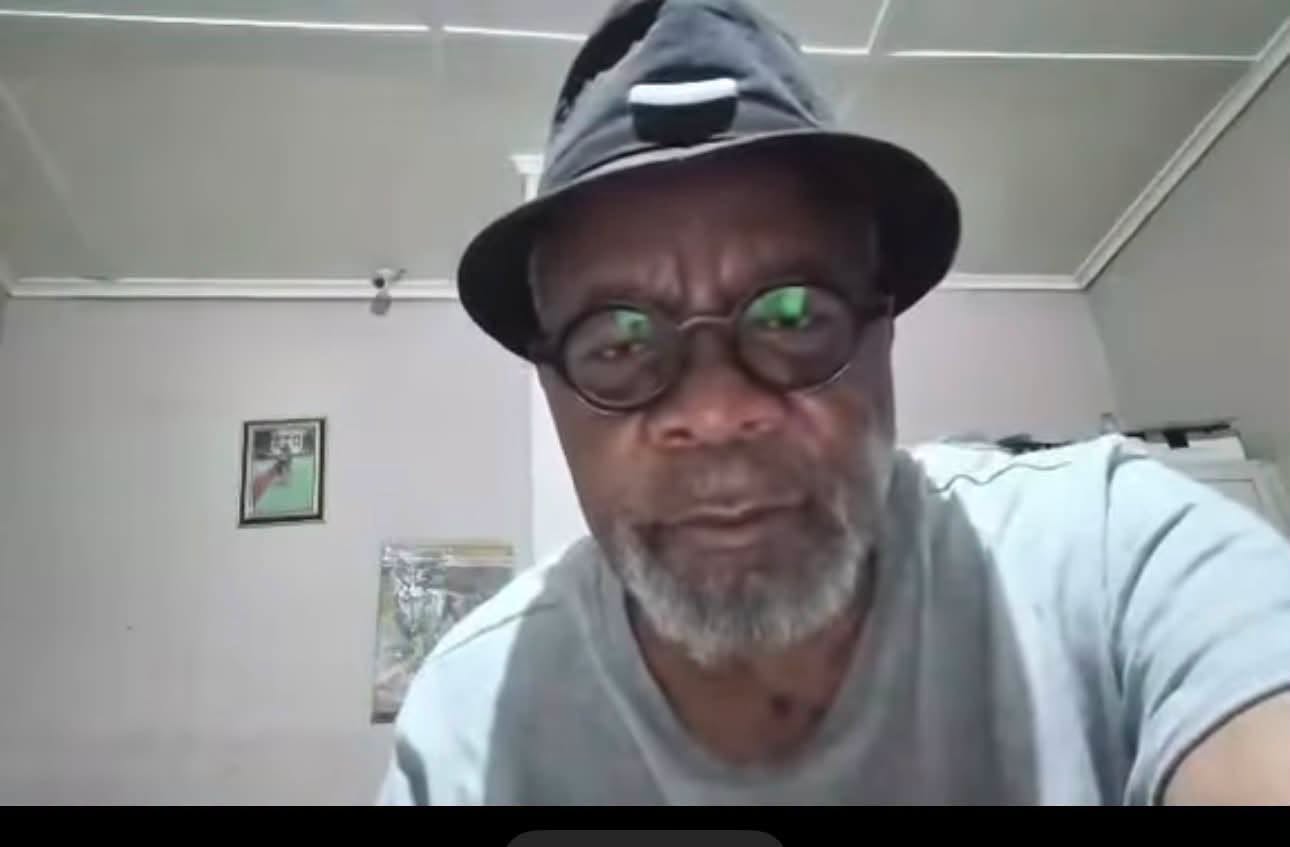
Zambia Police: Katele Kalumba Arrest Prompts Army Role Inquiry
Summary
- Former government official Katele Kalumba was arrested by personnel from the Zambia Police.
- The circumstances surrounding Kalumba's apprehension by law enforcement have led to public questioning.
- A strong viewpoint asserts that individuals threatening the Head of State, the Army Commander, or the Zambia Army should be considered terrorists.
- This perspective suggests that such threats, potentially disseminated via platforms like Facebook, warrant a firm response.
The Apprehension of Katele Kalumba
The public's desire to understand the rationale behind the Zambia Police's role in detaining Kalumba underscores a broader interest in the legal and operational frameworks governing such high-profile cases.
Former government official Katele Kalumba was recently taken into custody by personnel from the Zambia Police, an event that has immediately prompted widespread public questioning and intense scrutiny. The circumstances surrounding Kalumba's apprehension by the national law enforcement have become a significant point of discussion, with many observers seeking clarity on the precise reasons for the police's direct involvement. This incident has drawn considerable attention, particularly given the nature of law enforcement intervention in matters typically handled by civilian law enforcement, leading to a notable public discourse about the procedural aspects of the arrest.
The public's desire to understand the rationale behind the Zambia Police's role in detaining Kalumba underscores a broader interest in the legal and operational frameworks governing such high-profile cases. The fact that the arrest was carried out by police personnel, rather than military units, has fueled much of the inquiry, prompting questions about jurisdiction and the specific legal basis for the police's action. Consequently, there is an ongoing demand for comprehensive information to fully explain why Katele Kalumba was apprehended by the Zambia Police, addressing the various questions that have arisen since the incident and highlighting the unusual nature of this particular intervention.
Context of Alleged Threats
Amidst the public's inquiries, a strong perspective has emerged concerning the broader context surrounding such state interventions. This viewpoint asserts that individuals who issue threats against key national figures and institutions should be viewed with extreme gravity. Specifically, those who threaten the Head of State, the Army Commander, or the Zambia Army itself are characterized not as political opponents but as "terrorists." This designation carries significant implications for how such individuals are perceived and, consequently, how they should be addressed by state authorities.
The proponent of this view explicitly states that such individuals "must be treated as such," implying a firm and uncompromising response. The discourse also touches upon the methods through which these alleged threats might be disseminated, specifically referencing the use of public platforms. The mention of individuals potentially going "live on Facebook" suggests that these menacing statements could be broadcast widely, amplifying their perceived impact and reach, and thereby contributing to the urgency of the state's response as advocated by this perspective.
Broader Implications and State Response
The robust stance articulated regarding threats against national leadership and military institutions underscores a critical aspect of state security and governance. Classifying individuals who issue such threats as "terrorists" rather than merely political actors signifies a heightened level of concern, suggesting that these actions are perceived as directly undermining national stability and order. This framing implies a justification for a more decisive and potentially forceful response from state apparatuses, including the police, in addressing perceived threats to national integrity.
The emphasis on public platforms, such as live broadcasts on Facebook, as potential conduits for these threats further highlights the evolving challenges faced by states in managing information dissemination and maintaining security in the digital age. The call for such individuals to be "treated as such" reflects a belief that the severity of their actions warrants a response commensurate with acts of terrorism, rather than standard political dissent. This perspective aims to clarify the gravity of the situation for those questioning the state's actions, particularly the involvement of the Zambia Police in the apprehension of Katele Kalumba.
Source
How does this affect you?
Get an AI analysis of this article grounded in your jurisdictions, practice areas, and any policy documents you've uploaded to Wansom.
Finish Reading the Full Story and the Expert Analysis.
Get the latest legal & regulatory intelligence in Zambia
Wansom is AI and can make mistakes.