
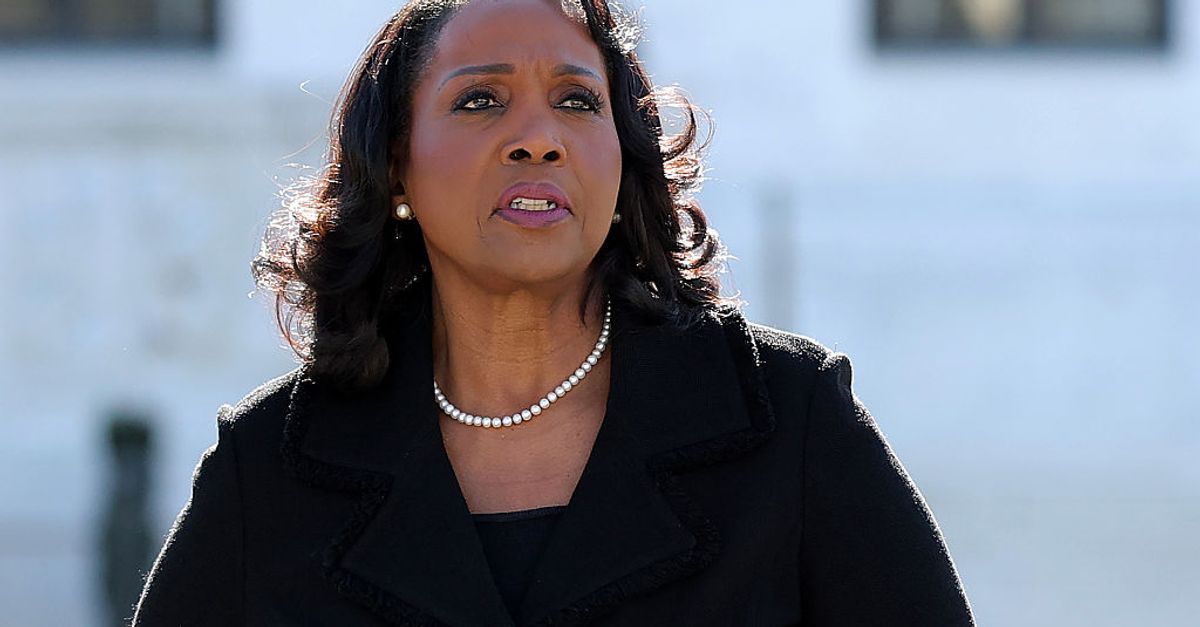
Lisa Cook: Fed Governor Removal Response Rejects Mortgage Fraud Claims
Summary
- Federal Reserve Governor Lisa Cook's lawyer, Abbe Lowell, refuted mortgage fraud allegations as "unfounded and untrue" in a response to the White House.
- The White House had given Governor Cook 21 days to address claims that could lead to her removal from the Fed.
- These allegations originated from two criminal referrals sent to the Department of Justice by William Pulte of the Federal Housing Finance Agency.
- The Supreme Court previously ruled 5-4 that Governor Cook was entitled to due process, including notice and an opportunity to respond, before any removal.
- Lowell argued that removing Governor Cook based on these claims would undermine the Federal Reserve's intended independence.
The Governor's Defense
Chief Justice John Roberts' opinion underscored that Governor Cook was entitled to both notification and a chance to respond before any termination could proceed.
Federal Reserve Governor Lisa Cook, through her legal counsel Abbe Lowell, recently delivered a forceful rebuttal to the White House concerning allegations of mortgage fraud. The prominent attorney asserted that the claims, which predate Governor Cook's tenure at the Federal Reserve, are entirely "unfounded and untrue." This comprehensive Lisa Cook Fed Governor removal response was submitted following a notification from White House Deputy Chief of Staff Dan Scavino on August 5, indicating that the administration was "considering" her removal and granting her a 21-day period to address the accusations.
Abbe Lowell, Lisa Cook's lawyer, emphasized that any attempt to dismiss Governor Cook based on these specific allegations would severely compromise the institutional autonomy that Congress intended for the Federal Reserve Bank. The legal team's stance highlights a critical defense of the central bank's operational independence against external pressures. The allegations themselves center on a 2021 mortgage agreement for a condominium in Atlanta, which designated the property as her "primary" residence, despite another existing agreement listing her Michigan home in the same capacity.
In her detailed response, Governor Cook clarified that this discrepancy was an "entirely inadvertent oversight." She categorically denied any "intentional misconduct and zero intent to defraud or mislead" in relation to the mortgage documents. This explanation forms a core part of her defense against the Lisa Cook mortgage fraud allegations, aiming to demonstrate a lack of malicious intent behind the administrative error.
Precedent and Due Process
The current exchange between Governor Cook's legal team and the White House unfolds against a backdrop of previous attempts by the Trump administration to remove her and significant legal precedent. Approximately one year prior to Lowell's recent letter, William Pulte, who heads the Federal Housing Finance Agency, had forwarded two criminal referrals concerning Governor Cook to the Department of Justice, initiating the formal scrutiny into the mortgage fraud allegations.
Just under two months before the latest White House communication, the Supreme Court had already intervened in a related matter. In a 5-4 decision, the high court rebuffed an initial effort by President Donald Trump to terminate Governor Cook, an attempt that also cited the very same mortgage fraud claims. This landmark ruling by the Supreme Court established a crucial due process requirement for the removal of high-ranking federal officials.
Chief Justice John Roberts' opinion underscored that Governor Cook was entitled to both notification and a chance to respond before any termination could proceed. This judicial affirmation of due process is central to understanding the current 21-day response period offered by the White House. The SCOTUS Cook removal due process ruling effectively set a legal standard, limiting the presidential removal power over federal officials and reinforcing the procedural safeguards necessary in such high-stakes administrative actions.
Safeguarding Federal Reserve Independence
The legal arguments presented by Governor Cook's counsel extend beyond her personal defense, touching upon fundamental principles of institutional governance. Lowell's assertion that removing Governor Cook on the basis of these claims would be "corrosive" directly addresses the broader Federal Reserve independence challenge. The central bank's ability to make monetary policy decisions free from political influence is considered vital for economic stability.
The controversy, therefore, illuminates the delicate balance between executive authority and the protected status of independent agencies. The White House's consideration of removal, even with a due process period, inevitably raises questions about potential political motivations impacting the Federal Reserve's autonomy. The defense mounted by Governor Cook's legal team aims not only to clear her name but also to uphold the structural safeguards designed to insulate the Federal Reserve from partisan pressures.
This situation underscores the intense scrutiny faced by public officials, particularly regarding personal financial conduct, and the robust legal frameworks in place to protect against arbitrary removal. The requirement for "notice and opportunity to respond" as mandated by the Supreme Court serves as a critical bulwark, ensuring that decisions regarding the tenure of federal officials are grounded in established legal procedures rather than mere allegations.
Practical Implications
This case reinforces the due process requirements for the removal of high-ranking federal officials and highlights the legal arguments used to defend the independence of agencies like the Federal Reserve from executive overreach. Lawyers should note the precedent set regarding 'notice and opportunity to respond' when advising clients on similar administrative challenges or constitutional questions, and the intense scrutiny public officials face regarding personal financial conduct.
Source
How does this affect you?
Get an AI analysis of this article grounded in your jurisdictions, practice areas, and any policy documents you've uploaded to Wansom.
Finish this article free. Just your email for instant unlock.
Wansom is AI and can make mistakes.