
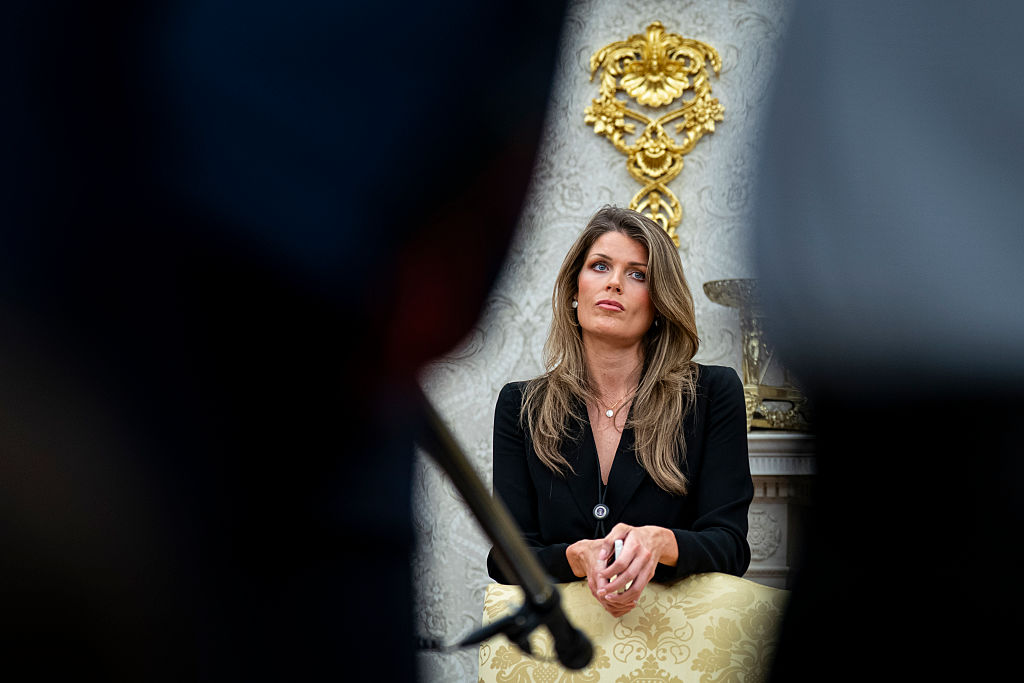
Fourth Circuit: Lindsey Halligan Prosecutions Appeal Challenges Authority
Summary
- A federal judge ruled Lindsey Halligan's appointment as interim U.S. Attorney for the Eastern District of Virginia was unlawful.
- This ruling led to the dismissal of indictments Halligan secured against James Comey and Letitia James.
- The Trump administration is appealing this decision to the Fourth Circuit Court of Appeals.
- The district court found Halligan's appointment invalid because the 120-day interim authority period for her predecessor had expired.
- The Department of Justice's subsequent attempts to re-indict proved unsuccessful.
The Appeal Over Prosecutorial Authority
This emphasizes the crucial importance of scrutinizing the legitimacy of prosecutorial authority and appointment procedures.
The Fourth Circuit Court of Appeals recently heard arguments concerning the legitimacy of actions taken by Lindsey Halligan during her tenure as interim U.S. Attorney for the Eastern District of Virginia. This appeal, brought by the Trump administration, seeks to overturn a federal judge's ruling that invalidated Halligan's appointment and, consequently, dismissed high-profile indictments she secured against former FBI Director James Comey and New York Attorney General Letitia James. The proceedings before the appellate panel reportedly faced a challenging reception, indicating potential skepticism regarding the administration's position.
Halligan's brief period as interim U.S. Attorney, beginning in September 2025, was marked by swift and controversial actions. Despite lacking any prior prosecutorial experience, having served primarily as a personal lawyer for former President Trump and an insurance lawyer, she was installed in the role after her predecessor was removed. Within days of assuming the position, Halligan initiated and obtained indictments against both James Comey and Letitia James, actions that quickly drew scrutiny regarding the scope and validity of her authority. The outcome of this Lindsey Halligan Fourth Circuit prosecutions appeal will determine the fate of these significant cases.
Unlawful Appointment and Dismissed Indictments
The legal challenge to Halligan's authority culminated in a decisive ruling by Senior U.S. District Judge Cameron McGowan Currie. Nearly a year prior to the Fourth Circuit hearing, Judge Currie determined that Lindsey Halligan was never lawfully appointed to the position of U.S. Attorney. The core of Judge Currie's finding rested on the statutory 120-day limit for an attorney general-appointed interim U.S. attorney. She concluded that this period had already expired for Halligan's predecessor, Erik Siebert, before Halligan's installation. Consequently, Pam Bondi, who appointed Halligan, lacked the legal power to do so.
This critical finding meant that all official actions taken by Halligan, including the James Comey Letitia James indictments, were rendered invalid. Judge Currie's ruling effectively dismissed both prosecutions, highlighting a fundamental flaw in the Lindsey Halligan US Attorney appointment process. The judge underscored the potential for abuse if such appointments were permitted, cautioning that the government's interpretation of the law could allow "any private citizen off the street — attorney or not — into the grand jury room to secure an indictment." This emphasizes the crucial importance of scrutinizing the legitimacy of prosecutorial authority and appointment procedures.
Aftermath and Enduring Legal Questions
Despite the district court's clear invalidation of her appointment, Lindsey Halligan continued to operate as the U.S. Attorney for several months. It was only through the intervention of other Eastern District judges that her unauthorized tenure was ultimately brought to an end, effectively concluding what was described as the "Lindsey Halligan experiment." While the initial dismissals of the Comey and James indictments were made "without prejudice," allowing for potential re-indictment, subsequent efforts by the Department of Justice proved unsuccessful. Grand juries declined to re-indict Letitia James, and Judge Currie ruled that the statute of limitations had expired for James Comey, a point on which the DOJ maintains disagreement.
The ongoing Fourth Circuit Court of Appeals review of this case carries significant implications for the scope of interim US Attorney authority and the validity of actions taken by officials whose appointments are later deemed unlawful. The outcome will provide a significant precedent for challenging the validity of indictments or other official actions taken by interim government officials whose appointments are later deemed unlawful. The Trump administration's appeal to revive these prosecutions hinges entirely on the appellate court's willingness to reverse Judge Cameron McGowan Currie's original, strongly worded ruling.
Practical Implications
This development provides a significant precedent for challenging the validity of indictments or other official actions taken by interim government officials whose appointments are later deemed unlawful, emphasizing the critical importance of scrutinizing the legitimacy of prosecutorial authority and appointment procedures.
Source
How does this affect you?
Get an AI analysis of this article grounded in your jurisdictions, practice areas, and any policy documents you've uploaded to Wansom.
Finish Reading the Full Story and the Expert Analysis.
Get the latest legal & regulatory intelligence in United States
Wansom is AI and can make mistakes.