
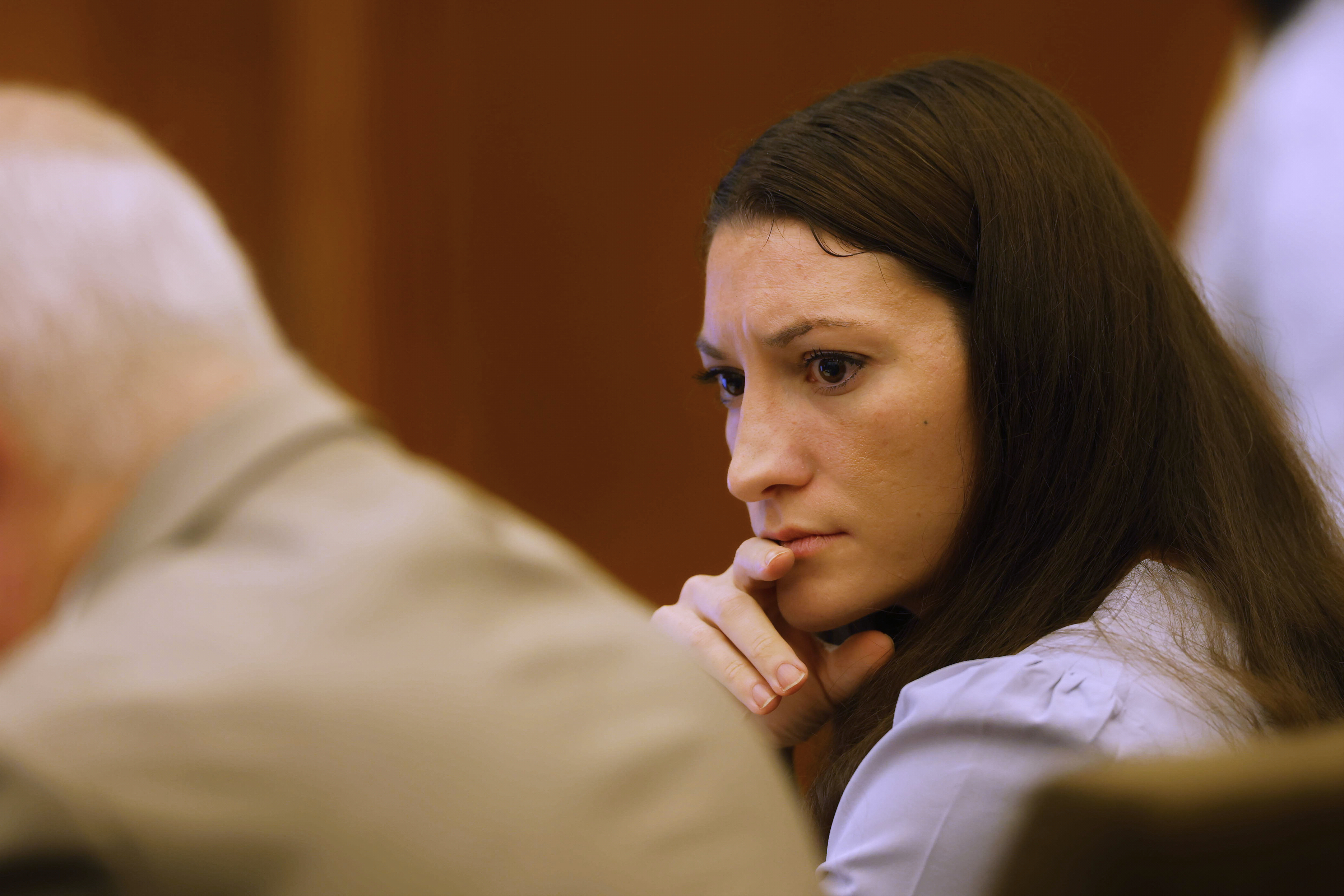
Massachusetts Judge Sullivan: Lindsay Clancy Murder Case Retrial to Proceed
Summary
- Lindsay Clancy's request to dismiss her murder case was denied, allowing for a potential retrial.
- Massachusetts Superior Court Judge William Sullivan ruled that a retrial would not constitute double jeopardy because the initial jury was deadlocked.
- Clancy is charged with three counts of first-degree murder for the 2023 deaths of her children, Cora, Dawson, and Callan.
- Her defense maintains she was experiencing postpartum psychosis when the incidents occurred.
- The prosecution has stated its intention to try Clancy again following the initial mistrial.
Case Developments and Retrial Prospects
The upcoming retrial will revisit the complex issues surrounding her mental state at the time of the alleged crimes.
Lindsay Clancy, a former labor and delivery nurse, recently faced a significant legal setback in her murder case, as her request to dismiss the charges was denied. This decision by Massachusetts Superior Court Judge William Sullivan clears the path for a potential retrial in the high-profile proceedings. Clancy stands accused of three counts of first-degree murder, stemming from the 2023 deaths of her three young children: Cora, aged five; Dawson, aged three; and eight-month-old Callan. She has admitted to causing their deaths, asserting a defense of not guilty by reason of insanity, specifically citing postpartum psychosis as her mental state at the time of the tragic events.
The initial trial earlier this year concluded in a mistrial after the jury became deadlocked. This impasse was reportedly due to a single juror, identified in court records as "Juror Doe," who maintained a position for conviction, preventing a unanimous verdict. Following this inconclusive outcome, the prosecution formally declared its intention on November 2 to pursue a retrial against Clancy, setting the stage for the recent legal arguments regarding dismissal.
Double Jeopardy and Jury Deliberation
Central to Judge William Sullivan's 17-page ruling was the legal principle of double jeopardy. The judge determined that a subsequent trial for Lindsay Clancy would not violate her constitutional protection against being tried twice for the same offense, precisely because the initial jury was unable to reach a unanimous decision. This ruling reinforces the established legal precedent that a mistrial resulting from a deadlocked jury typically does not trigger double jeopardy protections, thereby permitting a new trial.
During the hearing to dismiss the case, the conduct of "Juror Doe," later identified as Michael Desronvil, was thoroughly examined. Allegations surfaced that Desronvil had failed to adhere to the court's instructions during deliberations. However, Judge Sullivan's investigation concluded that the evidence presented "did not reasonably suggest Juror Doe’s inability to deliberate or refusal to follow the law," thus validating the mistrial as a genuine inability of the jury to agree, rather than juror misconduct. This finding was crucial in allowing the possibility of a retrial to proceed.
The Path Forward for Lindsay Clancy
With the Lindsay Clancy dismissal bid denied, the legal proceedings are now firmly directed towards a Lindsay Clancy murder case retrial. The Massachusetts Judge Sullivan double jeopardy ruling has affirmed the prosecution's ability to present its case again, despite the previous Clancy mistrial deadlocked jury. This development means Clancy will once again face the charges of first-degree murder, with her defense likely to continue focusing on Lindsay Clancy postpartum psychosis defense, as reported by Courthouse News Service.
The upcoming retrial will revisit the complex issues surrounding her mental state at the time of the alleged crimes. The legal battle continues to draw significant attention, highlighting the intricate balance between accountability and mental health considerations in the justice system. The prosecution's stated intent to retry the case ensures that the legal process will move forward, seeking a definitive resolution to the charges against the former nurse.
Practical Implications
This development reinforces the legal principle that a mistrial due to a deadlocked jury generally does not trigger double jeopardy protections, allowing for a retrial. Lawyers should note this precedent when advising clients on the potential for subsequent proceedings following an inconclusive jury verdict.
Source
How does this affect you?
Get an AI analysis of this article grounded in your jurisdictions, practice areas, and any policy documents you've uploaded to Wansom.
Finish Reading the Full Story and the Expert Analysis.
Get the latest legal & regulatory intelligence in United States
Wansom is AI and can make mistakes.