
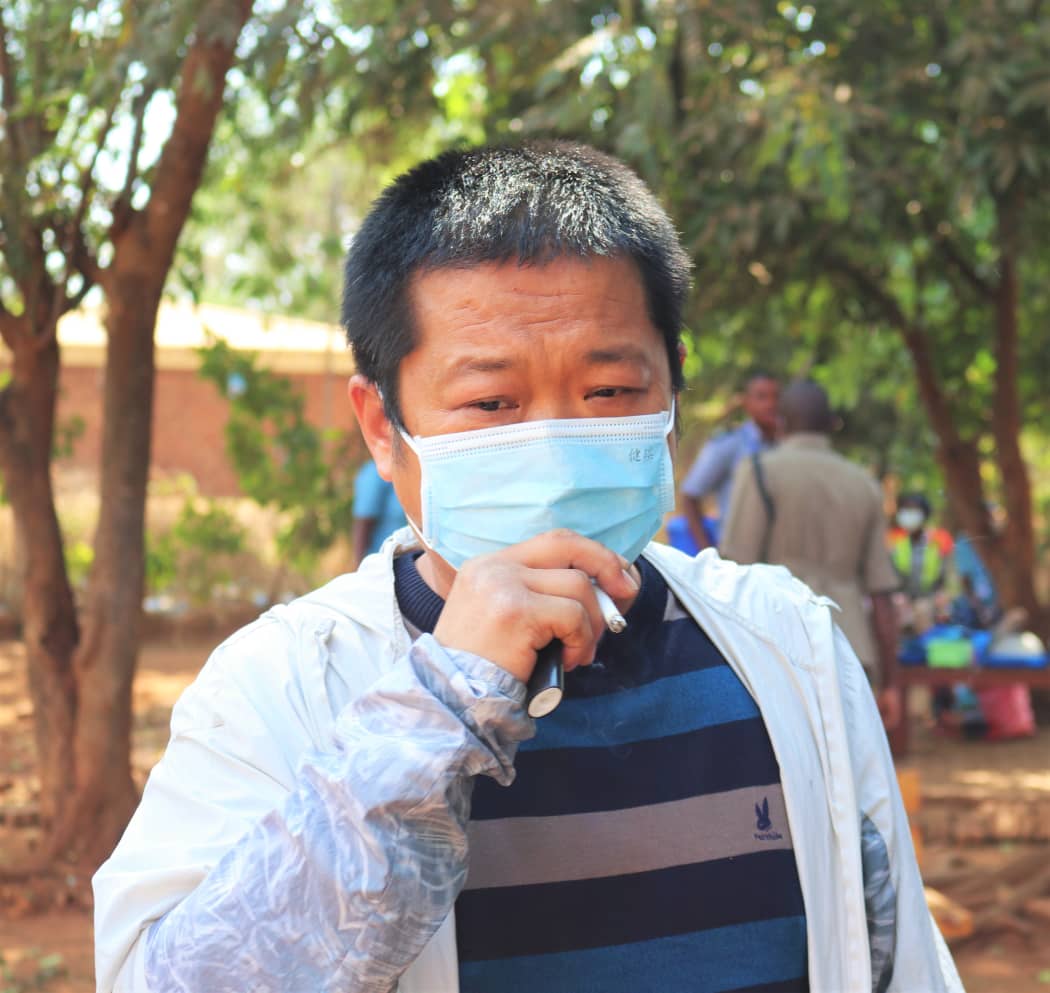
Malawi High Court: Lin Yunhua Judicial Officer Bribe Bail Decision Postponed
Summary
- A Malawian High Court has adjourned a bail ruling for Chinese national Lin Yunhua.
- Lin Yunhua faces new corruption charges for allegedly attempting to bribe a judicial officer and prison officials.
- The judge expressed concerns over the proposed house arrest-style bail conditions.
- Mr. Yunhua was previously jailed for wildlife trafficking but received a presidential pardon.
Bail Ruling Delayed Amid Bribery Allegations
The High Court's decision to adjourn the bail ruling for Lin Yunhua signals a rigorous examination of proposed conditions, particularly in cases involving alleged bribery of judicial officers.
A significant development in Malawi's legal landscape saw the High Court in Lilongwe postpone a decision on bail for Chinese national Lin Yunhua, who is currently facing serious corruption charges. The adjournment came after the presiding judge expressed reservations regarding the proposed bail conditions, which reportedly included a form of house arrest. Mr. Yunhua stands accused of attempting to bribe a judicial officer and several prison officials, allegations that have drawn considerable attention to the integrity of the country's justice system.
This latest legal challenge for Lin Yunhua follows a period of prior incarceration. He had previously been jailed for offenses related to wildlife trafficking, a conviction from which he later received a presidential pardon. The current charges of attempting to bribe a judicial officer and prison officials represent a new and distinct set of legal troubles, placing him once again under the scrutiny of the Malawian judiciary. The High Court's decision to delay the bail ruling underscores the gravity with which these new corruption allegations are being treated.
Prior Legal Encounters and Presidential Pardon
Lin Yunhua's current predicament is not his first encounter with the Malawian legal system. Before the present Malawi corruption charges, he had been imprisoned following a conviction for wildlife trafficking. This earlier case highlighted concerns regarding illegal trade practices within the country. However, his sentence for these wildlife-related offenses was ultimately cut short when he was granted a presidential pardon, allowing for his release.
The transition from a wildlife trafficking conviction, followed by a pardon, to now facing charges of attempting to bribe a judicial officer and prison officials, paints a complex picture of Lin Yunhua's legal history in Malawi. This pattern of legal entanglements, particularly the alleged attempt to influence judicial and correctional processes, raises questions about the broader context of foreign nationals and their interactions with the Malawian legal framework. The current proceedings in the Lilongwe High Court are therefore being watched closely, not just for the outcome of the bail application, but for what they signify about accountability.
Heightened Judicial Scrutiny of Bail Conditions
The High Court's decision to adjourn the bail ruling for Lin Yunhua signals a rigorous examination of proposed conditions, particularly in cases involving alleged bribery of judicial officers. The judge's concerns specifically targeted the "house arrest-style conditions" put forward for Mr. Yunhua's release. This level of scrutiny reflects a broader commitment within the Malawian judiciary to uphold the integrity of the justice system, especially when allegations of corruption touch its very foundations.
In cases of this nature, where a Chinese national faces Malawi corruption charges involving attempts to influence judicial and prison officials, the Lilongwe High Court bail conditions are subject to intense review. This approach aims to ensure that any granted bail does not undermine public confidence in the judiciary or present a flight risk, particularly given the serious nature of the allegations. The delay in the ruling emphasizes that the court is not merely rubber-stamping proposals but is meticulously weighing all factors to maintain judicial independence and combat corruption effectively.
Why It Matters for Malawi's Anti-Corruption Efforts
This ongoing case, centered on Lin Yunhua and the alleged attempt to bribe a judicial officer and prison officials, carries significant implications for Malawi's anti-corruption drive. The High Court's cautious approach to bail in this high-profile matter sends a clear message about the judiciary's resolve to tackle corruption, particularly when it involves attempts to subvert the legal process itself. Such incidents, especially those involving foreign nationals, often attract international attention, impacting perceptions of Malawi's commitment to good governance and the rule of law.
The rigorous examination of bail conditions in the Lin Yunhua judicial officer bribe bail case underscores a strong stance against judicial corruption in Malawi. It suggests that individuals facing such serious charges, particularly those with a history of legal issues like the prior wildlife trafficking conviction and subsequent pardon, will face an uphill battle in securing lenient bail terms. This development is crucial for reinforcing public trust in the judiciary and demonstrating that attempts to corrupt officials will be met with firm resistance, ensuring that justice is not compromised.
Practical Implications
This case highlights the Malawian judiciary's heightened scrutiny of bail conditions in high-profile corruption cases, particularly those involving foreign nationals and alleged bribery of judicial officers. Lawyers advising clients on corruption charges in Malawi should anticipate rigorous examination of proposed bail terms and be prepared for potential delays, reflecting a strong stance against judicial corruption.
Source
How does this affect you?
Get an AI analysis of this article grounded in your jurisdictions, practice areas, and any policy documents you've uploaded to Wansom.
Finish Reading the Full Story and the Expert Analysis.
Wansom is AI and can make mistakes.