
Liberia Importers Petition: Legislature Must Address Shipping Delays
Summary
- Liberian importers have petitioned the legislature and National Port Authority over severe shipping delays and port bottlenecks.
- Cargo from Asia now takes 6-7 months to reach the Freeport of Monrovia, causing significant financial strain on businesses.
- Importers face expiring Delivery Orders, leading to costly renewal fees, administrative surcharges, and demurrage charges for delays beyond their control.
- They are demanding a legislative inquiry into shipping lines and a government mandate to waive re-issuance and demurrage fees on expired Delivery Orders.
- Other demands include mandatory arrival timelines, streamlined port clearance, and strict enforcement of the Liberianization Policy.
Importers Decry Shipping Crisis
Many business owners rely heavily on commercial bank loans, and the extended delays are causing interest rates to accumulate, raising fears that personal assets and properties could be lost as a result.
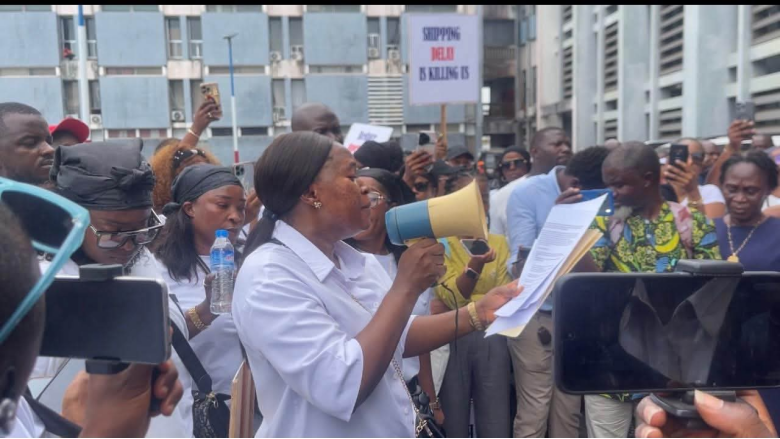
A coalition of Liberian business owners, primarily women, has formally petitioned the nation's legislature and the National Port Authority (NPA) to address severe shipping delays and persistent bottlenecks at the Freeport of Monrovia. Operating under the banners of China Business Women United with One Voice and the Consortium of Liberia Importers, these entrepreneurs expressed profound frustration with the current state of affairs, warning that prolonged transit times and escalating costs are pushing local enterprises toward collapse. The petition, delivered early Tuesday before legislative sittings, highlighted that cargo shipments originating from Asia, particularly China, now routinely take between six and seven months to reach Liberia, a significant increase that severely impacts their operational viability.
Advocate Sriya Musu Momolu, speaking on behalf of the business community, underscored the dire consequences of these extended delays. She emphasized that the inability to quickly turn over capital and service existing debts is leading to widespread business failures, trapping investments, and causing immense suffering for families dependent on these ventures. Many business owners rely heavily on commercial bank loans, and the extended delays are causing interest rates to accumulate, raising fears that personal assets and properties could be lost as a result.
Financial Strain and Operational Hurdles
The petition details a cascade of financial burdens faced by importers due to systemic inefficiencies and delays, particularly citing issues with major shipping lines such as Maersk Line. A critical problem arises when Delivery Orders (DOs) expire arbitrarily before cargo can be retrieved from the port, a direct consequence of the prolonged transit times and operational bottlenecks at the Freeport of Monrovia. This forces business owners to incur additional, often substantial, expenses including costly renewal fees, administrative surcharges, and punitive demurrage and detention charges for delays that are entirely beyond their control.
Beyond these direct shipping-related fees, Liberian importers face a compounding financial squeeze. While their capital remains tied up either at sea or within the port, loan interest continues to accrue. Simultaneously, these businesses are still obligated to meet quarterly tax payments to the Liberia Revenue Authority (LRA), cover office rents, and pay employee salaries, creating a situation of double taxation and severe financial distress. This environment not only stifles growth but actively undermines the stability of local businesses, making it exceedingly difficult to maintain solvency.
Calls for Legislative and Policy Reforms
In response to the escalating crisis, the consortium of importers has put forth a six-point demand for immediate government intervention to prevent widespread business closures and economic destabilization. Central to their demands is a call for a formal legislative inquiry into the practices of major shipping lines, specifically examining transit delays and the structures of surcharges imposed. They also seek a government mandate that would compel shipping lines and port terminal operators to waive re-issuance fees and demurrage charges on Delivery Orders that expire due to circumstances beyond the importers' control.
Further demands include the establishment of mandatory arrival timelines for maritime carriers to ensure predictability in shipping schedules. The petitioners also advocate for a comprehensive streamlining of container clearance processes at the Freeport of Monrovia, aiming to eliminate bureaucratic red tape that contributes to delays. Finally, they urge strict enforcement of the Liberianization Policy, a measure intended to safeguard local small and medium-sized enterprises from what they describe as unfair competition from foreign traders who bypass regulatory frameworks to sell directly in domestic markets. These proposed measures aim to create a more equitable and efficient trading environment in Liberia.
Practical Implications
Lawyers representing shipping lines, port operators, or Liberian importers should closely monitor the ongoing legislative inquiry and potential government mandates regarding shipping delays, demurrage charges, and re-issuance fees at the Freeport of Monrovia. These developments could lead to new regulations or enforcement actions, impacting contractual liabilities and compliance requirements for all parties involved in maritime trade in Liberia.
Source
How does this affect you?
Get an AI analysis of this article grounded in your jurisdictions, practice areas, and any policy documents you've uploaded to Wansom.
Wansom is AI and can make mistakes.