
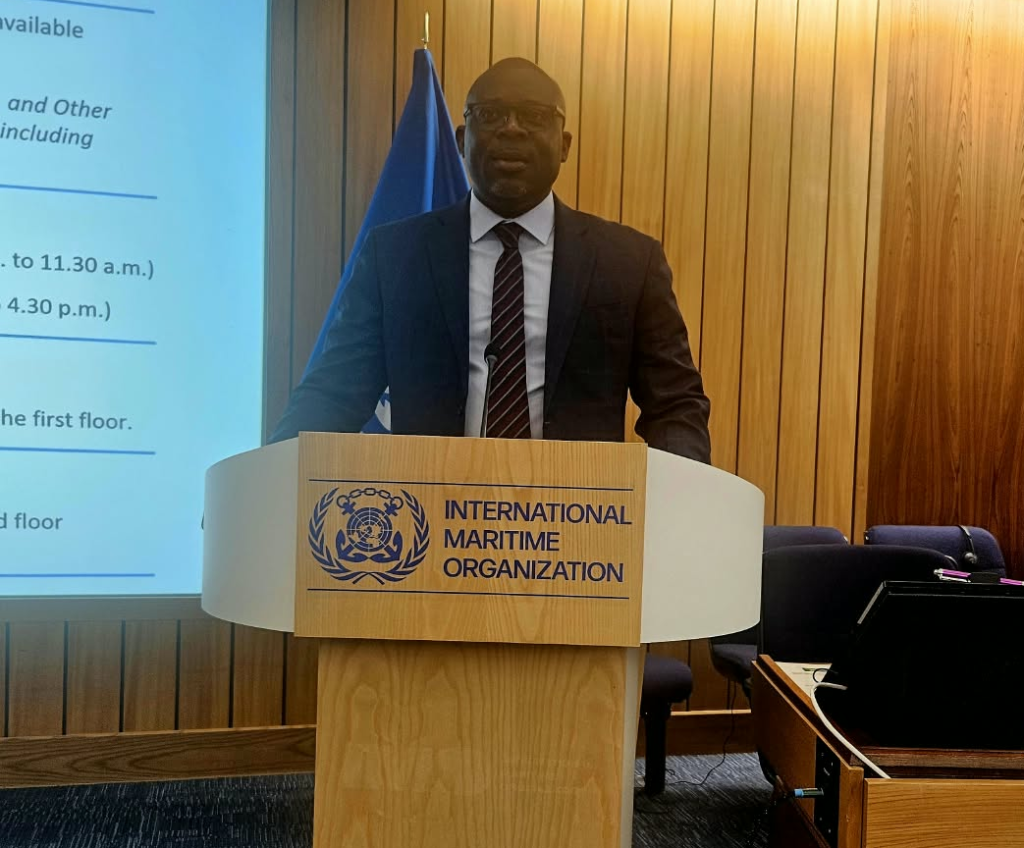
Liberia Maritime Commissioner Lighe: Urges IMO for Seafarer Protection
Summary
- Liberia's Maritime Commissioner, Neto Zarzar Lighe, Sr., urged the IMO to protect seafarers from escalating attacks in critical shipping lanes.
- Liberia, as the world's largest flag state, highlighted numerous incidents involving Liberian-flagged vessels in the Red Sea and Strait of Hormuz.
- Since February 28, 2026, 145 maritime incidents have occurred, with October marking the worst month for shipping attacks.
- These attacks endanger innocent crews, damage commercial vessels, and disrupt global trade, tragically claiming lives.
Liberia's Urgent Appeal to the IMO
Commissioner Lighe underscored that seafarers are innocent civilian professionals whose legitimate duties are vital for international trade and the global economy, asserting they must never be targeted or become casualties of armed conflicts and geopolitical hostilities.
On November 3, during the 138th session of the International Maritime Organization (IMO) Council, Liberia's Maritime Commissioner and CEO, Cllr. Neto Zarzar Lighe, Sr., delivered a General Statement, emphasizing that seafarers must be protected from becoming targets or casualties in ongoing conflicts. The Commissioner expressed profound concern regarding the persistent attacks on commercial vessels across vital shipping lanes, including the Black Sea, Sea of Azov, Arabian Sea, Gulf of Oman, Red Sea, Bab el-Mandeb Strait, and the Strait of Hormuz. Thousands of seafarers and their vessels are currently trapped in these regions due to military operations.
Commissioner Lighe underscored that seafarers are innocent civilian professionals whose legitimate duties are vital for international trade and the global economy, asserting they must never be targeted or become casualties of armed conflicts and geopolitical hostilities. He warned that these unwarranted attacks continue to endanger innocent crews, inflict damage upon commercial vessels, disrupt international trade, and tragically result in the loss of human lives. Liberia extended its deepest condolences to the families of those seafarers who have been killed in these incidents, calling for an IMO seafarer protection resolution.
Escalating Threats to Global Shipping
The plea from Liberia comes amidst a significant escalation in maritime security incidents, particularly affecting Liberian-flagged ships. The conflict around Iran, which commenced on February 28, 2026, with strikes by the United States and Israel, has repeatedly drawn Liberian-flagged vessels into the crossfire. Specific incidents include the Liberian-flagged Express Rome being struck by Iran’s Revolutionary Guards in the Strait of Hormuz on March 11 after reportedly ignoring orders to stop.
Further attacks highlight the severe risks: on August 3, the Liberian-flagged bulk carrier Minoan Pioneer was hit by a projectile northeast of Khasab, Oman, leading to a power outage, a fire in its accommodation block, and a missing third engineer. Later that month, on August 31, a laden Liberian-flagged oil tanker sustained multiple explosive device impacts while exiting the Strait of Hormuz, though its crew was reported safe. Following this, the Liberia Maritime Authority elevated the security level for Liberian-flagged ships in the area to Level 3. In late September, three more Liberian-flagged oil tankers were struck by unknown projectiles in the Strait of Hormuz on the same day, as reported on October 1. The Liberian-flagged tanker Lipsi, managed by Greece’s Dynacom Tankers, was hit by a projectile on October 5, damaging its engine room and causing a fire, though its crew also remained safe. These Strait of Hormuz shipping incidents underscore the heightened dangers.
Even before the Iran conflict, Liberian-flagged ships faced severe threats. In July 2025, Yemen’s Houthi rebels sank two Liberian-flagged bulk carriers, the Magic Seas and the Eternity C, in the Red Sea, resulting in the deaths of at least four crew members from the Eternity C. These incidents illustrate the critical need for enhanced seafarer safety in armed conflict zones.
Liberia's Critical Role and Broader Implications
Liberia’s intervention carries substantial weight due to its prominent position in global shipping. In 2023, Liberia surpassed Panama to become the world’s largest ship registry by gross tonnage, subsequently becoming the first flag state to exceed 300 million gross tons, representing approximately 17 percent of the global fleet. This means a significant portion of vessels navigating through current conflict zones fly the Liberian flag, and revenue from the registry constitutes a vital source of income for the Liberian government.
Commissioner Lighe’s statement followed what was reported as the worst month for shipping since the conflict began. The UK Maritime Trade Operations (UKMTO) center recorded over 30 incidents in and around the Strait of Hormuz, the Gulf of Oman, and the Arabian Gulf in October alone, more than doubling September’s total. This brought the cumulative number of incidents since February 28 to 145. Industry figures, cited by Reuters, indicate that over 30 supertankers have been damaged since the conflict started, with 11 of those occurring in October. The widespread impact is further exemplified by the October 6 incident where the Panama-flagged tanker On Peace was struck by a projectile off the Omani port of Limah, catching fire and injuring at least 12 of its 19 crew members, 11 of whom were Indian nationals, with Oman’s air force airlifting 10 to a hospital. These attacks highlight the urgent need for robust maritime security measures to protect seafarers and global trade.
Practical Implications
Lawyers advising shipping companies or insurers should review heightened risks and potential liabilities for Liberian-flagged vessels operating in or transiting conflict zones, particularly given the increased incidents and Liberia's call for international protection. Compliance officers must update risk assessments, insurance policies, and crew safety protocols for vessels and personnel in these high-risk areas.
Source
How does this affect you?
Get an AI analysis of this article grounded in your jurisdictions, practice areas, and any policy documents you've uploaded to Wansom.
Wansom is AI and can make mistakes.