
Liberia Launches Women Peace Security NAP III for 2026-2031
Summary
- Liberia has launched its Third National Action Plan (NAP III) on Women, Peace and Security for 2026–2031.
- Minister Gbeme Horace Kollie urged stakeholders to ensure tangible results for women and girls, moving beyond mere policy commitments.
- The plan's success relies on political commitment, adequate resources, effective coordination, and active women's participation.
- President Joseph Nyuma Boakai has expressed strong commitment, raising expectations for the plan's integration into national development processes.
- Minister Kollie identified coordination among implementing institutions as a critical factor for the plan's success or failure.
Liberia Unveils New Peace and Security Framework
The Minister affirmed her belief that the government perceives this as a vital component to be intentionally woven into its developmental processes.
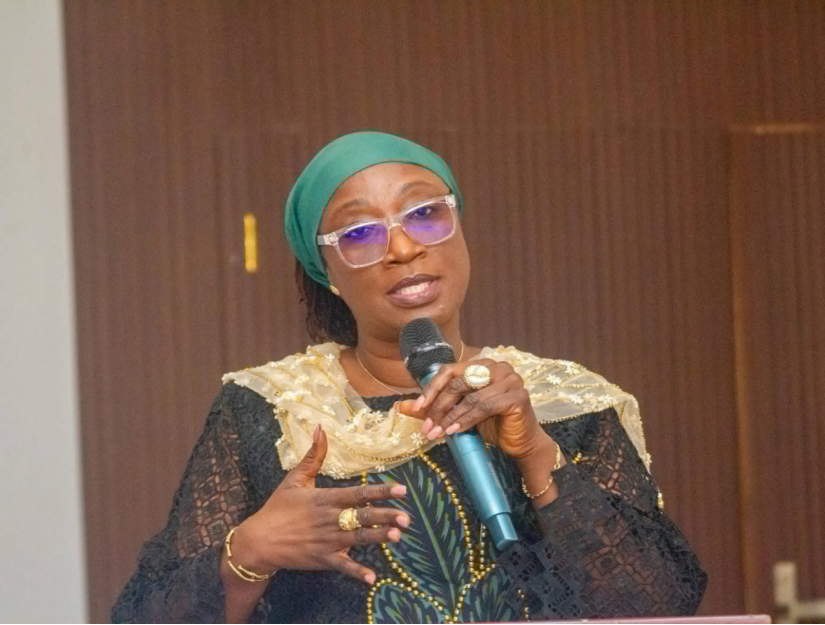
The Liberian government has officially introduced its Third National Action Plan (NAP III) on Women, Peace and Security, designed to guide efforts from 2026 to 2031. This significant five-year framework was launched in Monrovia, with a clear mandate from Minister Gbeme Horace Kollie of Gender, Children and Social Protection. She challenged all stakeholders, including government bodies, international development partners, and civil society organizations, to ensure the plan translates into concrete improvements for women and girls across the nation, moving beyond mere policy declarations.
During the launch event at the Belle Casa Hotel Conference Hall, Minister Kollie issued a stern caution against allowing NAP III to become another policy document celebrated at its inception only to be neglected in its execution. She underscored that the success of this Third National Action Plan hinges on several critical factors: unwavering political commitment, the allocation of sufficient resources, effective inter-agency coordination, and the meaningful involvement of women, particularly those residing in rural communities.
A Commitment to Women's Role in Peacebuilding
The Ministry of Gender, Children and Social Protection spearheaded the launch, collaborating with UN Women and various development partners. The gathering brought together a diverse group of participants, including government officials, diplomatic representatives, civil society groups, women’s peacebuilding advocates, youth leaders, and members of the press. This event also marked the 26th anniversary of United Nations Security Council Resolution 1325 (UNSCR 1325), a landmark resolution that acknowledges the indispensable role of women in preventing conflict, fostering peace, resolving disputes, and facilitating post-conflict recovery.
Minister Kollie conveyed strong confidence that this new Liberian action plan would garner robust governmental backing. She highlighted President Joseph Nyuma Boakai’s explicit commitment to the initiative, a pledge made even before its planned international unveiling in New York. This presidential endorsement has fueled expectations that the plan's core priorities will be systematically integrated into the nation's broader development strategies, rather than remaining an unimplemented document. The Minister affirmed her belief that the government perceives this as a vital component to be intentionally woven into its developmental processes.
Ensuring Effective Implementation and Resource Allocation
Discussions surrounding the operationalization of NAP III have already extended to crucial budgetary considerations within the government. Minister Kollie expressed gratitude to officials from the Ministry of Finance and Development Planning for their dedicated engagement during these budget discussions. She specifically acknowledged the support from government officials who demonstrated a clear understanding of the necessity of adequately funding the plan.
The Minister emphasized that the financial resources and commitments earmarked for NAP III must directly translate into practical interventions. These interventions are crucial for enhancing women’s participation and strengthening the overall peace and security landscape throughout Liberia. Without such tangible actions, the ambitious goals of the Liberia Third National Action Plan 2026-2031 risk remaining unfulfilled.
Overcoming Coordination Challenges
While recognizing the significant political will behind Liberia Women Peace Security NAP III, Minister Kollie pointed to coordination among the various implementing institutions as a pivotal factor that could ultimately determine the plan's success or failure. She issued a warning against potential pitfalls such as overlapping responsibilities, insufficient collaboration, and a failure among institutions to recognize their shared objectives, all of which could severely impede the implementation process of this key Liberia peacebuilding policy.
Minister Kollie stressed the imperative for all involved institutions and organizations to clearly comprehend their respective roles and to work cohesively towards achieving the overarching goals outlined in this national framework. She urged all actors to fulfill their responsibilities diligently and in a coordinated manner, ensuring that the common objective is not lost amidst individual mandates.
Practical Implications
Lawyers advising NGOs, international development agencies, or corporations with social impact initiatives in Liberia should monitor the implementation of the Third National Action Plan (NAP III) on Women, Peace and Security (2026-2031). This plan outlines national priorities that could influence funding opportunities, compliance with evolving gender and peacebuilding policy expectations, and due diligence for projects related to women's empowerment and conflict resolution in the country.
Source
How does this affect you?
Get an AI analysis of this article grounded in your jurisdictions, practice areas, and any policy documents you've uploaded to Wansom.
Wansom is AI and can make mistakes.