
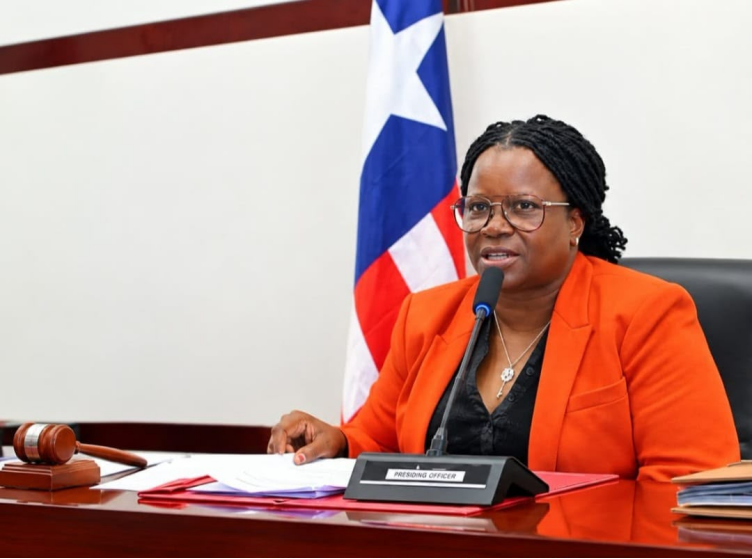
Liberia Senate: FY2027 Pay Raise Plan Seeks US$792K Hike
Summary
- A Liberian Senate committee has proposed a US$792,552 budget increase for FY2027 to fund internal pay raises.
- Seventy percent of the proposed funds, totaling US$554,712, would go towards senators' personal office staff.
- This proposal comes amidst widespread poverty in Liberia, where half the population lives below the poverty line, and senators currently earn US$8,000 monthly.
- The committee cites the 2019 Remuneration Standardization Act, despite the proposed raises potentially widening the pay gap among staff.
- President Pro Tempore Nyonblee Karnga-Lawrence, who commissioned the plan, now faces calls to halt its inclusion in the upcoming budget.
Proposed Senate Pay Hike Sparks Controversy
The allocation of public funds, particularly in a nation facing such economic precarity, becomes a critical test of leadership and commitment to equitable resource distribution.
A Liberian Senate committee has put forward a proposal to allocate an additional US$792,552 in the upcoming Fiscal Year 2027 budget, specifically earmarked for salary increases within the Senate. This significant financial request, if approved, would see a substantial portion—70 percent, or US$554,712—directed towards the personal offices of individual senators. These funds are intended to cover the salaries of staff such as chiefs of staff, political advisors, and assistants employed directly by senators.
The financial implications of this plan are considerable, with the 29 chiefs of staff alone projected to incur an extra annual cost of US$166,692 for taxpayers. Some of the proposed salary adjustments represent increases as high as 71 percent for certain positions. This initiative emerges against a backdrop of severe economic hardship in Liberia, where approximately half of the population struggles below the poverty line. Currently, senators receive a monthly salary of US$8,000, a figure that stands in stark contrast to the daily earnings of many ordinary Liberians.
The controversial proposal now rests with President Pro Tempore Nyonblee Karnga-Lawrence, who initially instructed the committee to develop the plan. Her decision on whether to advance this budget item for inclusion in the FY2027 budget, which the Executive branch must submit by October 31, is highly anticipated. The public and media are closely scrutinizing this move, particularly given the prevailing economic conditions and the perceived disconnect between legislative remuneration and the average citizen's income.
Legal and Ethical Scrutiny of Remuneration
The committee's justification for these proposed raises references the 2019 Remuneration Standardization Act, an existing piece of legislation whose stated objective is to reduce income disparity within government employment. However, critics argue that the committee's own figures for the proposed salary adjustments would, in practice, nearly double the gap between the highest and lowest paid staff members within the Senate, thereby undermining the very principle of standardization and equality the Act aims to achieve. For instance, the Senate's Legal Counsel would see their monthly pay jump from US$1,704 to US$2,920, while an executive secretary would receive a raise of US$96.
This push for increased remuneration for Senate staff occurs while senators themselves continue to earn US$8,000 monthly, a sum that is more than 50 times the legal entitlement for an unskilled worker or security guard. A legislative effort to reduce senators' salaries to US$5,000 has been pending since 2020, and when it resurfaced last year, it met with significant resistance from within the Senate. The ongoing reluctance of senators to consider cuts to their own pay while advocating for substantial increases for their personal offices raises serious questions about ethical consistency and fiscal responsibility.
The disparity is further highlighted by the legal minimum wage for an unskilled worker, set at US$5.50 per day, and the government's minimum wage for civil servants, which stands at US$150 per month. The proposed US$792,552 for Senate raises could, alternatively, fund the salaries of 440 civil servants at this minimum rate for an entire year, underscoring the opportunity cost of the committee's plan.
Broader Implications for Public Trust and Fiscal Responsibility
The timing and nature of this proposed pay increase carry significant implications for public trust and the perception of fiscal responsibility within Liberia's government. With half of the nation's population living below the poverty line, and many families struggling to afford basic necessities like food and school fees, the prospect of substantial salary hikes for legislative staff is viewed by many as a profound disregard for the suffering of ordinary citizens. This sentiment is exacerbated by ongoing challenges in other public sectors, such as teachers whose US-dollar salaries have gone unpaid for months, nurses demanding a US$500 minimum wage, and civil servants still awaiting the reversal of harmonization cuts.
While acknowledging that many Senate staff have not received raises since 2015 and are entitled to fair compensation, the current proposal's focus on senators' personal offices and the magnitude of some increases are drawing sharp criticism. The allocation of public funds, particularly in a nation facing such economic precarity, becomes a critical test of leadership and commitment to equitable resource distribution. The decision now rests squarely with Pro Tempore Nyonblee Karnga-Lawrence, who is widely considered a potential future presidential candidate.
Her handling of this matter will be seen as a crucial indicator of her leadership style and priorities. In a political landscape where public figures are often judged by their responsiveness to the needs of the most vulnerable, the choice to either endorse or reject this pay raise plan for FY2027 will undoubtedly shape public opinion and have lasting repercussions for her political standing and the broader discourse on public finance ethics in Liberia.
Practical Implications
Lawyers advising clients on public finance, legislative ethics, or investment in Liberia should monitor the outcome of this proposed Senate pay raise, as it reflects significant public and media pressure on government fiscal responsibility and adherence to existing remuneration laws like the 2019 Remuneration Standardization Act.
Source
How does this affect you?
Get an AI analysis of this article grounded in your jurisdictions, practice areas, and any policy documents you've uploaded to Wansom.
Finish Reading the Full Story and the Expert Analysis.
Get the latest legal & regulatory intelligence in Liberia
Wansom is AI and can make mistakes.