
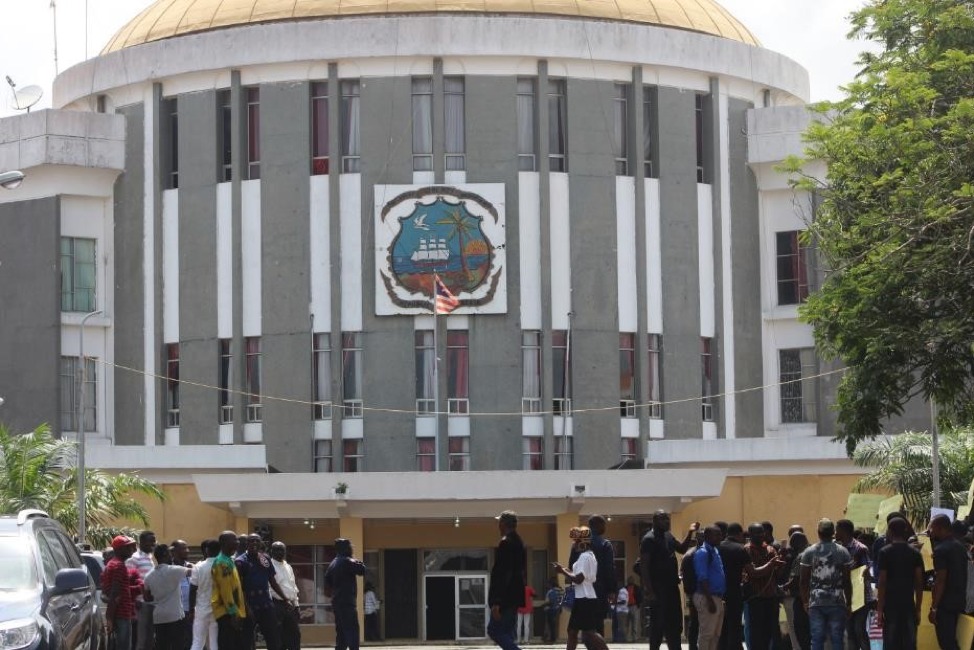
Liberia Ratifies Key ARIPO, UPOV, WIPO Treaties
Summary
- Liberia's Senate and House of Representatives have ratified four key intellectual property treaties.
- These treaties include the ARIPO Kampala Protocol, ARIPO Arusha Protocol, UPOV Convention, and WIPO Treaty on Genetic Resources.
- The ratification aims to strengthen Liberia's IP legal framework and unlock economic value from agriculture, creative industries, and indigenous knowledge.
- This legislative action supports President Boakai’s ARREST Agenda for Inclusive Development, particularly economic transformation.
- Four additional IP instruments, including WIPO Copyright and Performances treaties, are expected to be considered soon.
A Landmark Legislative Move
The new legal provisions are expected to strengthen the protection afforded to creative works, stimulate the development of improved plant varieties, and safeguard the knowledge linked to the nation's genetic resources.
The Liberian Senate recently gave its approval to four significant intellectual property (IP) treaties, following an earlier endorsement by the House of Representatives. This legislative action represents a crucial step in enhancing Liberia's legal infrastructure for safeguarding innovation, creative endeavors, agricultural advancements, and traditional knowledge. The instruments now ratified include the African Regional Intellectual Property Organization (ARIPO) Kampala Protocol, which facilitates the voluntary registration of copyright and related rights, and the ARIPO Arusha Protocol, designed for the protection of new varieties of plants.
Further bolstering the nation's intellectual property landscape, Liberia has also ratified the International Convention for the Protection of New Varieties of Plants, commonly known as the UPOV Convention, alongside the World Intellectual Property Organization (WIPO) Treaty on Intellectual Property, Genetic Resources and Associated Traditional Knowledge. These four agreements were part of a larger package of eight IP treaties and protocols initially presented to the 55th Legislature for ratification by President Joseph Nyumah Boakai, Sr. The remaining four instruments are anticipated to undergo legislative review in the coming months, signaling a comprehensive update to Liberia's intellectual property law.
Broadening IP Protection and Economic Potential
The newly ratified treaties are poised to significantly broaden the scope of intellectual property protection within Liberia, offering new avenues for creators, farmers, and communities to secure their rights. The ARIPO Kampala Protocol Liberia, for instance, provides a regional mechanism for copyright registration, while the ARIPO Arusha Protocol Liberia and the UPOV Convention Liberia ratification specifically address the protection of new plant varieties, encouraging agricultural innovation. The WIPO Treaty Genetic Resources Liberia, in particular, marks a progressive step towards recognizing and protecting traditional knowledge associated with genetic resources, a critical area for many developing nations.
Hon. Garmai Koboi, the Director General of the Liberia Intellectual Property Office (LIPO), lauded these legislative advancements, emphasizing their role in positioning intellectual property as a key driver for economic growth. According to Koboi, these instruments will establish additional legal frameworks essential for unlocking the economic value inherent in Liberia’s rich agricultural resources, its burgeoning creative industries, and its indigenous knowledge and innovations. This comprehensive Liberia IP legal framework is designed to empower local stakeholders.
Aligning with National Development Goals
This strategic move aligns directly with President Boakai’s broader ARREST Agenda for Inclusive Development, specifically targeting its first pillar focused on Economic Transformation. A core objective of this agenda is the establishment of a robust national intellectual property ecosystem, which these ratifications directly support. The Director General of LIPO underscored that these agreements constitute a vital investment in Liberia's economic future, fostering an environment conducive to innovation and investment.
The new legal provisions are expected to strengthen the protection afforded to creative works, stimulate the development of improved plant varieties, and safeguard the knowledge linked to the nation's genetic resources. This creates a more predictable and secure environment for both local and international investment. LIPO further articulated that this legislative action moves Liberia closer to an internationally harmonized intellectual property system, capable of fostering innovation, enhancing economic competitiveness, and expanding opportunities for sustainable development across various sectors.
Future Legislative Considerations
While four key treaties have been ratified, four additional intellectual property instruments are still awaiting legislative consideration. These include the UNESCO 2003 Convention on Intangible Cultural Heritage, the 2005 Convention on the Diversity of Cultural Expressions, the WIPO Copyright Treaty, and the WIPO Performances and Phonograms Treaty. Their eventual ratification would further solidify Liberia's commitment to a comprehensive intellectual property framework, encompassing a wider array of cultural and creative expressions. The ongoing legislative process indicates a sustained effort to modernize and expand Liberia's intellectual property law update, ensuring its alignment with global standards and best practices.
Practical Implications
Lawyers and compliance officers in Liberia should review the newly ratified ARIPO, UPOV, and WIPO IP treaties to understand the expanded scope of intellectual property protection and compliance requirements for clients involved in creative works, agricultural innovation, or the use of genetic resources and traditional knowledge. This development creates new avenues for IP registration and enforcement, requiring updated legal strategies for businesses operating in these sectors.
Source
How does this affect you?
Get an AI analysis of this article grounded in your jurisdictions, practice areas, and any policy documents you've uploaded to Wansom.
Finish Reading the Full Story and the Expert Analysis.
Get the latest legal & regulatory intelligence in Liberia
Wansom is AI and can make mistakes.