
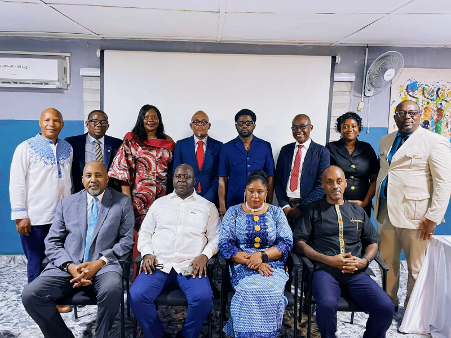
Liberia: National Intellectual Property Policy Validation Underway
Summary
- The Government of Liberia has commenced validation of its draft National Intellectual Property Policy and Strategy (NIPPS) from October 15-16.
- The NIPPS aims to guide IP protection, administration, and commercialization, aligning with President Boakai’s ARREST Agenda.
- Acting Commerce Minister Hon. Stephen Yekeson emphasized the NIPPS's role in enterprise development, investment, and economic diversification.
- The policy addresses gaps identified in a previous IP audit, seeking to strengthen Liberia's IP system and increase its usage.
- Developed with WIPO's technical assistance, the NIPPS seeks to align Liberia's IP regime with international standards.
Policy Validation Underway
An robust intellectual property system is considered fundamental to cultivating a more supportive business environment, encouraging responsible investment practices, and bolstering Liberia’s overarching efforts to enhance trade competitiveness and stimulate private sector expansion.
The Government of Liberia has initiated a crucial validation process for its draft National Intellectual Property Policy and Strategy (NIPPS), a framework designed to guide the nation's short-, medium-, and long-term actions concerning the protection, administration, and commercialization of intellectual property rights. This significant Liberia NIPPS validation workshop, scheduled from October 15 to 16, marks a pivotal step in President Joseph Boakai’s administration, which has prioritized intellectual property protection and development as a core component of Pillar One within its ARREST Agenda.
The validation workshop was officially opened by the Acting Minister of Commerce and Industry, Hon. Stephen Yekeson. He underscored the NIPPS as an indispensable instrument for fostering enterprise development, attracting investment, stimulating industrial growth, and achieving economic diversification within Liberia. The event, convened by the Liberia Intellectual Property Office (LIPO) in collaboration with the Ministry of Commerce and Industry, benefits from technical assistance provided by the World Intellectual Property Organization (WIPO), bringing together a diverse group of stakeholders including government officials, representatives from creative industries, the business community, higher education institutions, and civil society.
Strategic Economic Imperative
Minister Yekeson articulated that in the contemporary global economy, which is increasingly driven by knowledge, a nation's competitive edge extends beyond its natural resources or manufactured goods. Instead, he emphasized, it relies heavily on the capacity to generate novel ideas, safeguard innovation, cultivate valuable brands, commercialize creative works, and effectively translate knowledge into tangible economic value. This perspective positions the Liberia National Intellectual Property Policy validation as a cornerstone for future economic prosperity.
The Ministry of Commerce and Industry views the NIPPS as intrinsically linked to Liberia’s broader objectives for trade, investment, and economic advancement. An robust intellectual property system is considered fundamental to cultivating a more supportive business environment, encouraging responsible investment practices, and bolstering Liberia’s overarching efforts to enhance trade competitiveness and stimulate private sector expansion. The Minister highlighted the critical importance of the validation exercise itself, stressing that the success of any national policy hinges not only on the quality of the document but also on its relevance to national priorities, its ability to address practical challenges, and the unwavering commitment of the institutions and stakeholders tasked with its implementation.
Addressing Gaps and Future Alignment
The development of the draft NIPPS directly addresses findings from a national IP Audit conducted last year. This audit identified significant constraints limiting the effective utilization of the intellectual property system, including deficiencies in institutional capacity, inadequate infrastructure, poor coordination, and limited access to IP services. The proposed Liberia Intellectual Property Office strategy aims to rectify these issues by strengthening the country’s intellectual property system and enhancing its overall usage and responsiveness.
Developed by a team of intellectual property experts, the document is meticulously aligned with the Government’s national development priorities as outlined in the ARREST Agenda. It seeks to bring greater coherence to the operations of LIPO and other governmental bodies, while strategically positioning Liberia to capitalize on regional and global opportunities. LIPO Director General Hon. Garmai Koboi confirmed that the draft was made possible through high-level engagement with WIPO, ensuring that Liberia’s IP regime aligns with international intellectual property standards and frameworks administered by WIPO, thereby setting the stage for potential Liberia IP law reform.
Practical Implications
Lawyers and compliance officers should monitor the finalization and implementation of Liberia's National Intellectual Property Policy and Strategy (NIPPS). This signals a significant strengthening of the country's IP regime, potentially introducing new protections, enforcement mechanisms, and compliance requirements for businesses operating or investing in Liberia, particularly those with intellectual assets.
Source
How does this affect you?
Get an AI analysis of this article grounded in your jurisdictions, practice areas, and any policy documents you've uploaded to Wansom.
Finish Reading the Full Story and the Expert Analysis.
Get the latest legal & regulatory intelligence in Liberia
Wansom is AI and can make mistakes.