
Liberia President Boakai: NPL Warning on 19% Bad Loans
Summary
- Liberian President Joseph Boakai issued a strong warning about the nation's persistent non-performing loan (NPL) crisis.
- The NPL rate in Liberia has reached 19%, significantly impacting the country's financial stability.
- President Boakai stated that the NPL problem is restricting access to credit and threatening broader economic growth.
- He called for urgent and coordinated action from banks, borrowers, and government entities to resolve the issue.
- The President's remarks were made on Wednesday, September 9, at the opening of the National Conference on the Resolution of Non-Performing Loans.
Presidential Mandate on NPLs
President Joseph Boakai has issued a significant warning regarding Liberia's persistent non-performing loan (NPL) crisis, emphasizing the critical need for immediate and synchronized intervention.
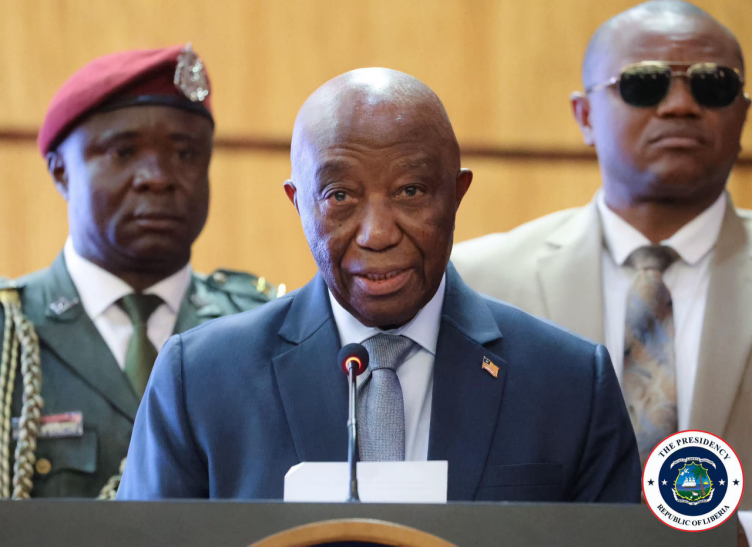
President Joseph Boakai has issued a significant warning regarding Liberia's persistent non-performing loan (NPL) crisis, emphasizing the critical need for immediate and synchronized intervention. Speaking at the opening of the National Conference on the Resolution of Non-Performing Loans on Wednesday, September 9, the Liberian leader highlighted the severe economic repercussions stemming from the escalating NPL rates. This direct address from Liberia President Boakai underscored the gravity of the situation, signaling a heightened focus from the highest levels of government on resolving this financial challenge.
The President's remarks came as the nation grapples with a substantial 19% non-performing loan rate, a figure he explicitly cited as a major impediment to the country's financial stability. This elevated percentage indicates a significant portion of outstanding loans are not being repaid according to schedule, posing considerable risks to the banking sector and the broader economy. The National Conference NPL Resolution Liberia served as a platform for this crucial declaration, bringing together stakeholders to confront the issue head-on.
Economic Ramifications
The pervasive nature of the Liberia non-performing loans crisis is creating tangible barriers to the nation's economic progress. President Boakai specifically cautioned that the high volume of bad loans is directly restricting access to credit, a fundamental component for business expansion and individual investment. This limitation on credit availability stifles entrepreneurial activity and consumer spending, thereby impeding the organic growth of the Liberian economy. The President's assessment paints a clear picture of how financial distress within the lending sector translates into broader economic stagnation.
Furthermore, the President articulated that the ongoing NPL problem poses a direct threat to Liberia’s overall economic development trajectory. The inability of financial institutions to recover a substantial portion of their lent capital diminishes their capacity to issue new loans, creating a ripple effect that slows down various economic sectors. This cycle of reduced lending and constrained economic activity underscores the urgency of the President's call for a comprehensive solution, as the nation's long-term prosperity is at stake due to these Liberia credit access restrictions.
Call for Coordinated Action
In his decisive address, President Boakai placed various key players on notice, demanding an urgent and collective fix for the escalating NPL issue. He specifically directed his warning towards banks, borrowers, and government entities, signaling that all parties bear responsibility in both contributing to and resolving the crisis. This broad admonition from President Boakai regarding bad loans in Liberia indicates an expectation for shared accountability and a multi-faceted approach to remediation. The President's stance suggests that no single sector can unilaterally solve a problem of this magnitude, necessitating a collaborative effort.
The imperative for coordinated action emphasizes that a sustainable resolution requires active participation from all stakeholders. Financial institutions are expected to review their lending practices and recovery strategies, while borrowers must fulfill their obligations to prevent further accumulation of non-performing assets. Simultaneously, government bodies are tasked with creating an enabling regulatory environment and potentially implementing policies that support loan resolution. This comprehensive approach aims to tackle the root causes and symptoms of the NPL crisis, ensuring a more robust and resilient financial system in Liberia.
Practical Implications
Financial institutions and their legal advisors in Liberia should anticipate increased regulatory scrutiny and potential new directives from the government or Central Bank regarding non-performing loan management and recovery strategies, impacting lending practices and compliance requirements.
Source
How does this affect you?
Get an AI analysis of this article grounded in your jurisdictions, practice areas, and any policy documents you've uploaded to Wansom.
Finish Reading the Full Story and the Expert Analysis.
Get the latest legal & regulatory intelligence in Liberia
Wansom is AI and can make mistakes.