
Liberia: National Commission on Disabilities' Failures Undermine Disability Rights
Summary
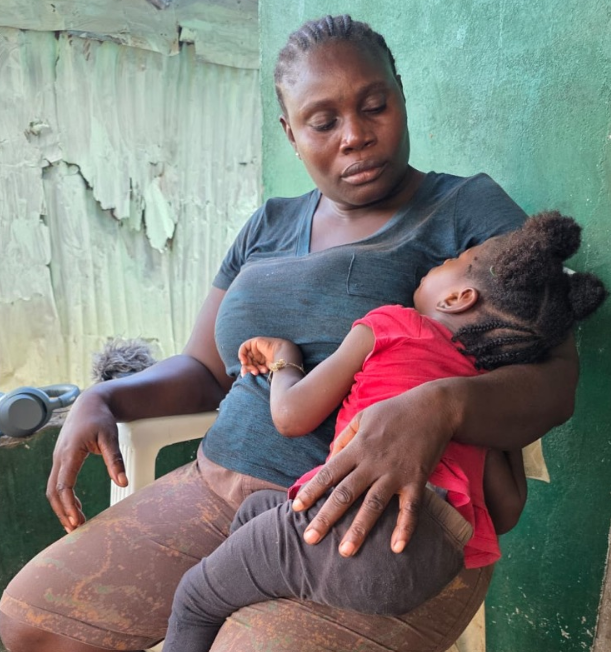
- A family in Monrovia was evicted in June 2024 due to discrimination against their five-year-old daughter with cerebral palsy.
- Liberia's National Commission on Disabilities is severely underfunded and fails to provide essential services or outreach to thousands of families.
- Despite a 2005 law and UNCRPD ratification, Liberia exhibits significant gaps in disability rights enforcement, with people with disabilities facing high risks of violations.
- The National Commission on Disabilities receives only US$210,000 for its public sector investment program, far short of the US$1 million it requires.
- Over 500,000 Liberians, or 11% of the population aged five and older, live with some form of functional disability, according to the 2022 census.
The Human Cost of Neglect
The profound disconnect between Liberia's legal commitments to protect people with disabilities and the lived reality of widespread neglect and discrimination is stark.
Rachel, a mother in Monrovia, experienced a heartbreaking eviction in June 2024 when her landlord demanded her family vacate their home. The reason for this expulsion was his discriminatory belief that her five-year-old daughter, who lives with cerebral palsy, was "cursed," referring to her as a "dragon" and asserting that children like her should not reside in his property. This deeply painful incident left Rachel distraught, highlighting the severe stigma and prejudice faced by families caring for children with disabilities in Liberia.
This individual tragedy is emblematic of a much larger crisis affecting thousands of parents across Liberia who are struggling to support children with severe disabilities. Many cases of cerebral palsy, like that of Rachel's daughter, are preventable, often stemming from oxygen deprivation during complicated births. This issue is exacerbated by systemic challenges within Liberia's healthcare system, including a lack of financial access to hospitals for many women and medical staff who may not adequately recognize critical birth complications. The 2022 Liberian census revealed that over half a million people aged five and older, approximately 11% of the population, live with some level of functional disability, underscoring the widespread nature of this societal challenge.
Legal Frameworks vs. Reality: Liberia's Disability Rights Enforcement Gaps
Liberia has established a legal framework designed to safeguard the rights of its citizens with disabilities. This includes a 2005 law that led to the creation of the National Commission on Disabilities (NCD), the government agency specifically tasked with assisting these vulnerable families. Furthermore, Liberia has demonstrated its commitment on the international stage by ratifying the United Nations Convention on the Rights of Persons with Disabilities (UNCRPD), an important step towards ensuring comprehensive protection and inclusion.
However, the practical implementation of these legal provisions reveals significant Liberia disability rights enforcement gaps. The Liberia National Commission on Disabilities failures are stark: it does not conduct public outreach campaigns that could inform parents like Rachel of their rights, nor does it provide essential services to the thousands of families grappling with severe disabilities. Compounding these issues, the NCD lacks fundamental data, such as the precise number of children living with conditions like cerebral palsy or profound autism. Critically, the Commission is severely underfunded, receiving only US$210,000 for its public sector investment program, a mere fraction of the US$1 million it states is necessary to adequately address the existing demand. This operational deficit means that most families remain entirely unaware of the agency's existence.
Despite the illegality of discrimination and stigma against people with disabilities, as enshrined in Liberian law, there is a notable absence of practical protections for affected families. Previous investigations have documented similar experiences of government neglect, extreme discrimination, and exclusion from educational opportunities, further illustrating the profound disconnect between legal mandates and the lived realities on the ground.
International Scrutiny and Systemic Challenges
The widespread challenges faced by people with disabilities in Liberia have not gone unnoticed by international human rights monitors. The Human Rights Measurement Initiative (HRMI) released its latest global data in June, assessing countries' performance across various rights categories. While Liberia received a "fair" rating for "empowerment"—an indicator of government respect for rights—the report alarmingly identified people with disabilities as the fourth most "at risk" group for rights violations within the country. This finding underscores the critical need for improved UNCRPD compliance Liberia.
The systemic issues contributing to these vulnerabilities extend beyond mere enforcement. Medical professionals in Liberia frequently express frustration over the high incidence of preventable cerebral palsy cases, often linked to inadequate medical care during childbirth. The lack of financial resources often deters women from seeking hospital care, and insufficient training among medical staff to identify critical signs during labor contribute to these tragic outcomes. This situation highlights a broader failure in public health infrastructure that disproportionately affects the most vulnerable populations.
Why It Matters
The profound disconnect between Liberia's legal commitments to protect people with disabilities and the lived reality of widespread neglect and discrimination is stark. While laws exist and international conventions have been ratified, the absence of effective outreach, adequate funding for the National Commission on Disabilities, and tangible support services leaves thousands of families in dire circumstances. Advocates consistently emphasize that with appropriate support, children with severe disabilities and their families could experience a significant improvement in their quality of life, transforming individual struggles into opportunities for inclusion and well-being.
Addressing these pervasive Liberia disability rights enforcement gaps is not merely a matter of legal compliance but a fundamental human rights imperative. The government's failure to adequately fund and empower the National Commission on Disabilities, coupled with the lack of practical protections against discrimination, perpetuates a cycle of marginalization. Effective implementation of Liberia disability discrimination law and robust support for the NCD are crucial steps toward ensuring that the rights of all Liberians, especially those most at risk, are not just recognized on paper but actively upheld in practice.
Practical Implications
Lawyers advising clients on human rights, social responsibility, or operations in Liberia should note the significant gap between legal frameworks (e.g., 2005 law, UNCRPD) and actual enforcement of disability rights, indicating potential for advocacy, litigation, or compliance risks related to government inaction and lack of support services.
Source
How does this affect you?
Get an AI analysis of this article grounded in your jurisdictions, practice areas, and any policy documents you've uploaded to Wansom.
Finish Reading the Full Story and the Expert Analysis.
Get the latest legal & regulatory intelligence in Liberia
Wansom is AI and can make mistakes.