
Liberia: Indicted Superintendent's Commissioning Raises Corruption Concerns
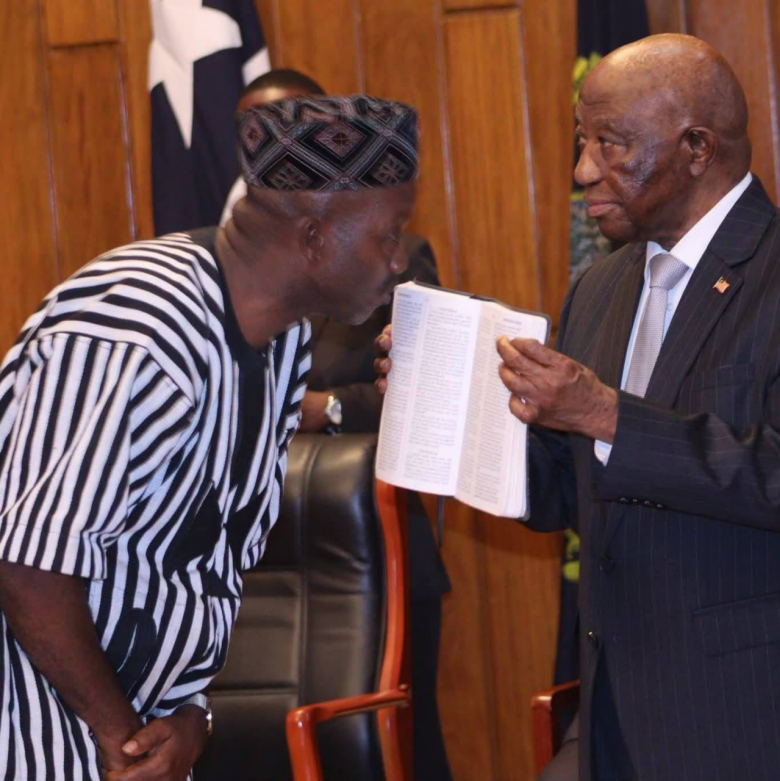
In Liberia, President Joseph Nyuma Boakai recently commissioned Gbarpolu County Superintendent Sam K. Zinnah, despite Zinnah being among five individuals indicted in connection with a US$425,000 Yellow Machines procurement scandal, a case whose proceedings are scheduled for September 14, 2026, at the 16th Judicial Circuit Court in Bopolu. This decision has intensified public scrutiny of the President’s commitment to anti-corruption efforts, particularly as the corruption case remains unresolved and involves public development funds intended for infrastructure improvement in one of Liberia’s least-connected counties. The Liberia Anti-Corruption Commission (LACC) reported that the scheduled proceedings were postponed due to a defense member's nonappearance, further fueling concerns about the pace of justice in high-profile corruption matters.
This development carries significant legal and reputational implications for the Liberian government and its anti-corruption agenda. For practitioners, it highlights the tension between the legal principle of 'innocent until proven guilty' and the ethical expectations for public officials, especially those facing serious corruption charges. The commissioning of an indicted official, even before a conviction, can erode public trust in government institutions and raise questions about the consistency and judgment of the administration. For businesses, particularly those involved in public procurement or infrastructure projects in Liberia, this signals potential risks related to governance, transparency, and the enforcement environment, suggesting that political considerations might, at times, overshadow ongoing legal processes.
The legal context for this matter involves Liberia's anti-corruption statutes, the investigative and prosecutorial mandate of the Liberia Anti-Corruption Commission (LACC), and the criminal justice process within the Liberian judiciary, specifically the 16th Judicial Circuit Court. The US$425,000 controversy centers on funds allocated from Gbarpolu County’s Social Development Fund, underscoring the legal framework governing the use of public resources. Key parties include President Joseph Nyuma Boakai, Superintendent Sam K. Zinnah, the Liberia Anti-Corruption Commission (LACC), the 16th Judicial Circuit Court in Bopolu, and Gbarpolu Senator Botoe Kanneh, who had previously called for indicted officials to be relieved of duties. The excerpt does not report any outcome or ruling in the ongoing criminal case, only the indictment and a postponement of proceedings.
Attorneys advising clients in Liberia should closely monitor the progression of this and similar corruption cases, as they will be indicative of the Boakai administration's actual commitment to combating corruption and strengthening public accountability. Businesses engaging with the Liberian government, especially in sectors prone to corruption like public procurement and infrastructure, must ensure robust internal compliance frameworks and due diligence processes. Practitioners should advise clients on the importance of transparency and adherence to all regulatory requirements, recognizing that perceived inconsistencies in government action can create an unpredictable operating environment. The outcome of the criminal proceedings against Superintendent Zinnah, when reported, will be a critical benchmark for assessing the effectiveness and independence of Liberia's anti-corruption institutions.
How does this affect you?
Get an AI analysis of this article grounded in your jurisdictions, practice areas, and any policy documents you've uploaded to Wansom.
Wansom is AI and can make mistakes.