
Liberia EPA: Unveils Gender Climate Action Plan, First Gender Policy
Summary
- The Environmental Protection Agency (EPA) of Liberia launched its first Gender Policy and an updated national Climate Change Gender Action Plan.
- Executive Director Dr. Emmanuel K. Urey Yarkpawolo emphasized that these commitments must translate into daily decisions and actions.
- The new Gender Policy addresses internal EPA operations, including hiring, promotion, and workplace culture, while the Climate Change Gender Action Plan links gender equality to Liberia's NDC 3.0 climate pledges.
- The plan targets eight key sectors and argues that climate change disproportionately affects vulnerable populations due to unequal access to resources.
- Early steps include elevating the gender function to senior management, investing in women's skills, and hiring persons with disabilities.
A New Direction for Environmental Governance
The Executive Director issued a clear directive to all managers within the Environmental Protection Agency Liberia, stressing that the commitments outlined in both the EPA Gender Policy Liberia and the updated Climate Change Gender Action Plan must be visibly demonstrated in everyday operations, rather than merely existing as theoretical ideals.
The Environmental Protection Agency (EPA) of Liberia recently unveiled its inaugural Gender Policy alongside an updated national Climate Change Gender Action Plan, signaling a significant shift towards integrating gender considerations into its core operations. This dual launch, held on a Tuesday at the Corina Hotel in Sinkor, Monrovia, underscored the agency's commitment to ensuring that environmental initiatives are inclusive and equitable.
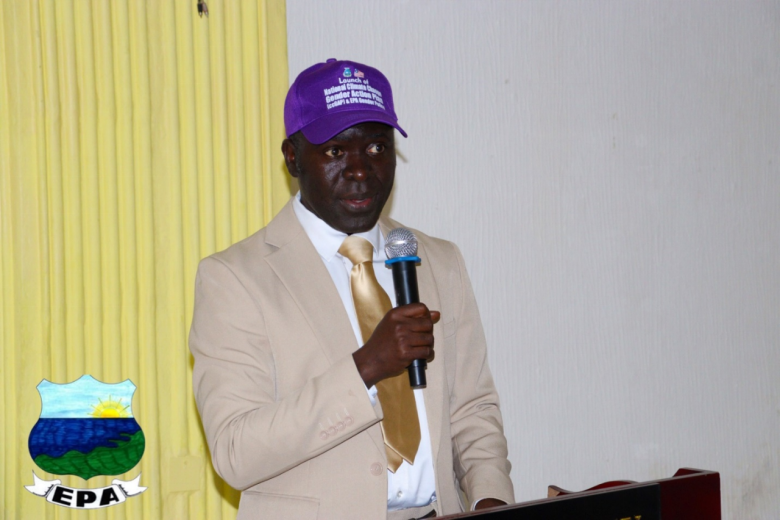
Dr. Emmanuel K. Urey Yarkpawolo, the EPA's Executive Director, presided over the event, emphasizing that these commitments must translate into daily decisions rather than merely existing as policy documents. The launch, themed "Advancing Gender Equality for Inclusive Climate Resilience in Liberia," brought together a diverse group of stakeholders, including Gender, Children and Social Protection Minister Gbeme Horace-Kollie, other government officials, development partners, civil society representatives, and groups advocating for women, youth, and persons with disabilities.
In his address, Dr. Yarkpawolo articulated that effective environmental work is intrinsically linked to the well-being of the people it serves. He highlighted the importance of crafting policies that acknowledge the unique circumstances of individuals, such as a woman farming to sustain her family, a young person seeking employment, or a person with a disability striving for equal opportunities. The Executive Director stressed that these policies should actively create pathways for their meaningful participation in environmental efforts, reflecting the kind of inclusive institution and nation Liberia aims to build.
Strengthening Internal and External Gender Integration
The development of the EPA's first Gender Policy was a meticulous process, informed by an institutional gender assessment, extensive consultations with both staff and external stakeholders, and a thorough review of existing policies. While the assessment acknowledged the agency's progress, it also identified a critical gap: gender considerations had not yet been fully woven into the fabric of the EPA's operational work. To address this, the new policy provides concrete guidelines spanning hiring practices, promotion criteria, training programs, leadership development, workplace culture, and accountability mechanisms. It also directly confronts issues of discrimination and sexual harassment, aiming to foster a professional environment where every employee can thrive with dignity and safety.
The updated Climate Change Gender Action Plan builds upon an earlier framework, having been developed through rigorous research, stakeholder consultations, and specialized training, with crucial support from UN Women. This comprehensive plan explicitly links gender equality to Liberia's national climate pledges, particularly those outlined in NDC 3.0 Liberia gender equality commitments. It targets eight key sectors: agriculture and food security, coasts and fisheries, forestry, health, water and sanitation, waste management, energy, and transportation.
The core premise of this plan, as explained by the EPA chief, is that the impacts of climate change are not uniformly distributed. Disparities in access to essential resources such such as land, financial capital, information, and decision-making processes mean that certain populations are significantly more vulnerable. For instance, a woman farmer, despite possessing invaluable traditional knowledge about shifting rainfall patterns, may lack the necessary resources to adapt. The plan advocates for climate programs that not only leverage such local expertise but also actively dismantle the systemic barriers faced by these individuals.
Operationalizing Inclusivity and Future Outlook
The Environmental Protection Agency Liberia has already initiated several steps to operationalize its commitment to gender integration. Notably, the gender function within the agency has been elevated to senior management, ensuring its voice carries greater weight in institutional decision-making. The EPA has also invested in enhancing women's professional capabilities, including providing international training opportunities for its women environmental inspectors, which in turn strengthens the agency's capacity to monitor environmental conditions and safeguard communities. Rafael Ngumbu, the Director of the Environmental Research and Radiation Safety Department, was highlighted as a prime example of women's significant contributions in specialized scientific roles.
Furthermore, the agency has actively recruited persons with disabilities, recognizing their valuable contributions to institutional strength. Despite these advancements, Dr. Emmanuel K. Urey Yarkpawolo EPA acknowledged that the work remains ongoing, emphasizing the continuous need for the agency to adapt its workplace to ensure the full participation of all employees. This strategic focus on gender integration within the Liberia EPA gender climate action plan is poised to influence regulatory approvals and compliance requirements for environmental and climate-related projects across the nation.
With the launch of these foundational documents, the Executive Director underscored a critical transition from strategic planning to tangible performance. He issued a clear directive to all managers within the Environmental Protection Agency Liberia, stressing that the commitments outlined in both the EPA Gender Policy Liberia and the updated Climate Change Gender Action Plan must be visibly demonstrated in everyday operations, rather than merely existing as theoretical ideals.
Practical Implications
Lawyers and compliance officers advising on environmental and climate-related projects in Liberia should anticipate increased scrutiny on gender integration within project design, implementation, and reporting, aligning with the EPA's new Gender Policy and updated Climate Change Gender Action Plan. This signals a shift towards more inclusive environmental governance that may influence regulatory approvals and compliance requirements.
Source
How does this affect you?
Get an AI analysis of this article grounded in your jurisdictions, practice areas, and any policy documents you've uploaded to Wansom.
Wansom is AI and can make mistakes.