
Liberia Court Sentences 3 to 20 Years in Drug Case
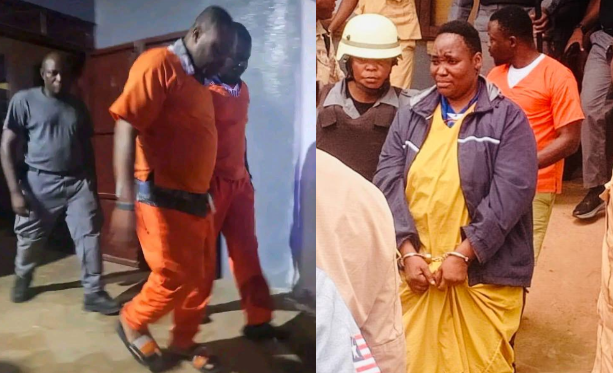
Judge Roosevelt Willie of the 13th Judicial Circuit Court of Margibi County, Liberia, on Tuesday sentenced former Liberia Drug Enforcement Agency (LDEA) commander Joe I. Logan, his deputy Lovette L. Flowers, and Nigerian national Tony Obi to 20 years imprisonment each in the Quita Dolo Kosso drug case.
This significant ruling follows a unanimous guilty verdict returned by an empaneled trial jury against the three defendants. Judge Willie's sentencing decision was informed by the facts and circumstances of the case, the applicable laws, and a report from the Probation Office, which characterized the defendants as recidivists, meaning they had repeatedly committed crimes against the State. The court affirmed the jury's verdict, which found the defendants guilty of multiple offenses, including unlicensed possession of controlled substances, unlicensed importation of controlled drugs, criminal facilitation, forgery, misapplication of entrusted property, theft of property, and criminal conspiracy. The sentence, pursuant to Section 14.83 of the New Drug Law of the Republic of Liberia, took immediate effect, with the Clerk of Court ordered to communicate with the Superintendent of the Kakata Central Prison to implement the final judgment.
This case carries substantial legal significance for practitioners and the public in Liberia, underscoring the judiciary's firm resolve to combat drug trafficking and corruption, particularly when law enforcement officials are implicated. The severe 20-year prison sentence for former high-ranking LDEA officials sends a clear message about accountability and the consequences of abusing public trust. For legal professionals, it highlights the robust application of Liberia's criminal law, the critical role of jury trials in serious felony cases, and the impact of probation reports, especially concerning recidivism, on sentencing outcomes. It also demonstrates the State's commitment to enforcing its drug laws against all individuals, regardless of their former positions.
The legal context for this ruling is rooted in Liberia's criminal justice system, specifically the jurisdiction of the 13th Judicial Circuit Court of Margibi County, which serves as a court of general jurisdiction for criminal matters. The sentencing was explicitly made pursuant to Section 14.83 of the New Drug Law of the Republic of Liberia, indicating a specific statutory basis for the severity of the penalty. The mention of a unanimous guilty verdict by a trial jury highlights the procedural safeguards in place for criminal defendants, while the Probation Office report points to a structured sentencing process that considers an offender's history. The offenses, including drug-related charges and those under the Penal Law such as criminal facilitation, forgery, misapplication of entrusted property, theft, and criminal conspiracy, reflect a comprehensive prosecution strategy against complex criminal activities.
Practitioners in Liberia should take note of several key aspects. Attorneys defending clients in drug-related cases must be acutely aware of the stringent penalties under the New Drug Law, particularly when recidivism is a factor, as it can significantly influence judicial discretion during sentencing. The case also emphasizes the importance of thorough preparation for jury trials and sentencing hearings, including scrutinizing probation reports. For businesses and public institutions, this ruling serves as a stark reminder of the need for robust internal controls, ethics policies, and due diligence, especially when employing individuals in positions of authority or those susceptible to illicit activities, to mitigate risks of criminal conspiracy, theft, and drug-related offenses within their operations. The outcome of this matter is reported as the sentencing of the defendants to 20 years imprisonment.
How does this affect you?
Get an AI analysis of this article grounded in your jurisdictions, practice areas, and any policy documents you've uploaded to Wansom.
Finish Reading the Full Story and the Expert Analysis.
Get the latest legal & regulatory intelligence in Liberia
Wansom is AI and can make mistakes.