
CBL: Liberia US Dollar Reserve Requirement Increases to 12%
Summary
- The Central Bank of Liberia increased the US dollar reserve requirement for commercial banks from 10% to 12% to reduce financial dollarization.
- The benchmark Monetary Policy Rate was maintained at 16.0%, and the interest-rate corridor was narrowed to enhance policy transmission.
- Headline inflation eased to an estimated 4.5% in the third quarter, and real GDP growth is projected at 5.5% for 2026.
- Non-performing loans remain a concern at 13.38%, exceeding the 10% prudential benchmark, posing a risk to financial stability.
- The CBL reaffirmed its support for the National Strategy for Non-Performing Loan Resolution and related legal and judicial reforms.
Key Monetary Policy Adjustments
The Central Bank of Liberia (CBL) recently announced a significant adjustment to its reserve requirements for commercial banks, specifically targeting US dollar deposits.
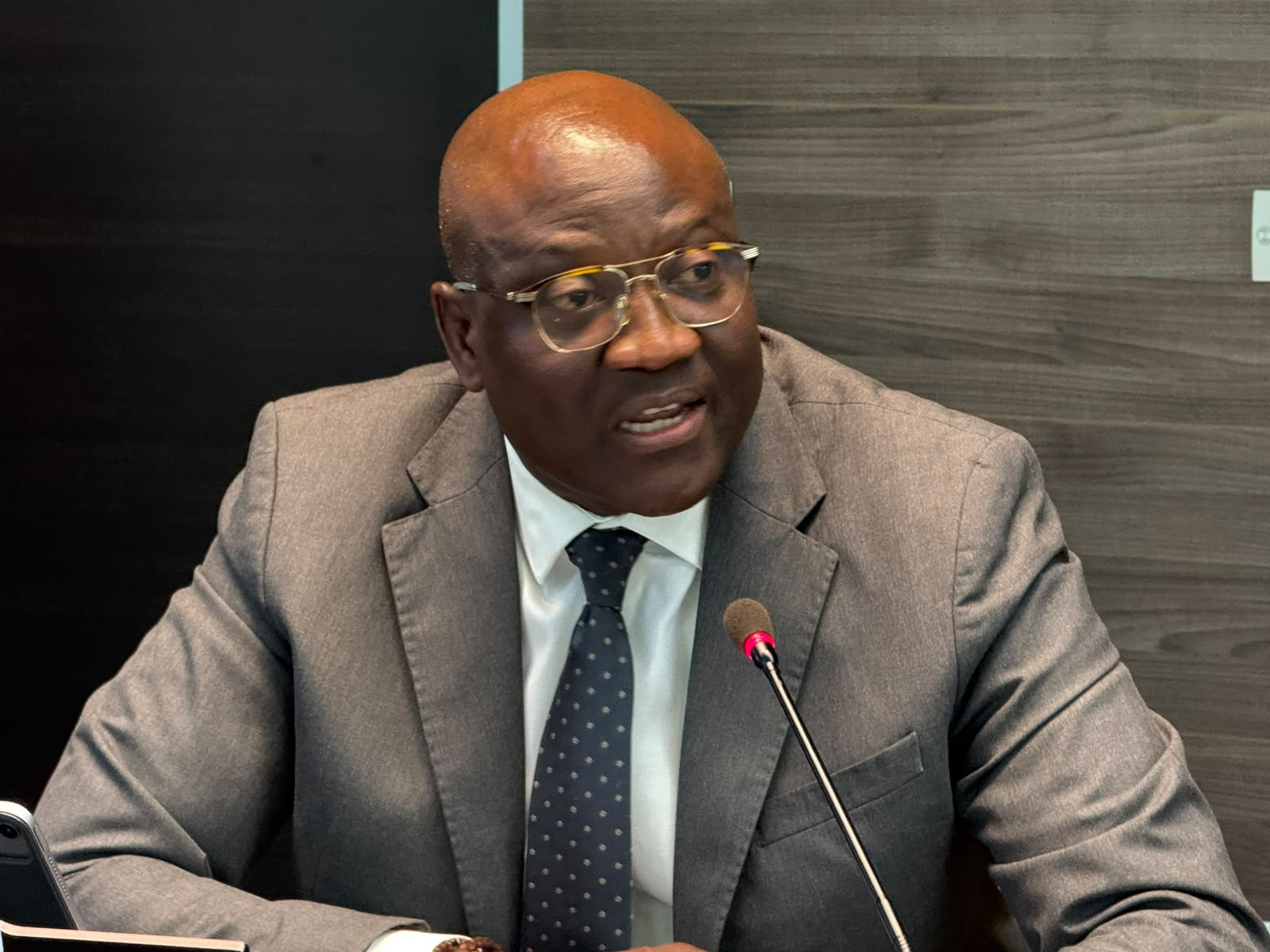
The Central Bank of Liberia (CBL) recently announced a significant adjustment to its reserve requirements for commercial banks, specifically targeting US dollar deposits. Following a Monetary Policy Committee (MPC) meeting held on Tuesday, October 6, 2026, the CBL increased the required reserve ratio for US dollar deposits by two percentage points, moving it from 10 percent to 12 percent. This decision, formalized in Communiqué No. 28 and signed by Executive Governor Henry F. Saamoi, who also chairs the MPC, underscores the bank's strategic efforts to mitigate the nation's substantial reliance on the US dollar. The reserve requirement for Liberian dollar deposits, however, was maintained at its existing level of 25 percent.
In addition to modifying reserve ratios, the CBL also refined its interest-rate corridor to enhance the transmission of its monetary policy decisions throughout the economy and improve liquidity management. The Standing Deposit Facility (SDF), which dictates the rate at which commercial banks earn interest on funds deposited with the CBL, was adjusted from 6.5 percentage points below the policy rate to 6.0 percentage points below it. Conversely, the Standing Credit Facility (SCF), representing the rate at which banks can borrow from the CBL, was narrowed from 1 percentage point above the policy rate to 0.5 percentage points above it. With the benchmark Monetary Policy Rate (MPR) remaining constant at 16.0 percent, these adjustments translate to a deposit rate of 10 percent and a lending rate of 16.5 percent for commercial banks. These measures are explicitly designed to gradually reduce the structural vulnerabilities associated with Liberia's high degree of financial dollarization.
Economic Performance and Banking Sector Health
Liberia's economic landscape showed signs of improvement, with headline inflation easing to an estimated 4.5 percent in the third quarter, a notable decrease from 5.4 percent in the preceding quarter. This positive trend was attributed by the MPC to a more stable exchange rate, effective monetary management, and favorable domestic pricing conditions. Projections indicate that inflation will hover around 4.6 percent in the fourth quarter, comfortably within the CBL's medium-term tolerance range. Furthermore, real Gross Domestic Product (GDP) growth is forecast to reach 5.5 percent in 2026, an increase from 5.1 percent in 2025, primarily propelled by robust performance in the mining, manufacturing, and services sectors. The CBL's Composite Index of Economic Activity also registered a widening gap from 0.8 percent to 2.7 percent, suggesting a greater utilization of productive capacity within the economy.
Despite these positive macroeconomic indicators, the banking sector faces specific challenges, particularly concerning non-performing loans (NPLs). While the sector as a whole was characterized as stable and highly liquid, with a Capital Adequacy Ratio of 38.64 percent—significantly above the 10 percent regulatory minimum—and a liquidity ratio of 58.71 percent against a 15 percent minimum, NPLs remained a concern. The rate of non-performing loans stood at 13.38 percent, exceeding the prudential benchmark of 10 percent. The CBL explicitly warned that these elevated levels of bad loans pose a substantial medium-term risk to financial stability and impede the capacity of banks to extend credit to vital productive sectors of the economy.
Strategic Responses to Financial Risks and Future Outlook
In response to the persistent issue of non-performing loans, the Central Bank of Liberia reiterated its strong support for the National Strategy for Non-Performing Loan Resolution, alongside associated legal and judicial reforms. This commitment highlights the regulatory body's intent to address a key vulnerability within the financial system. The MPC also observed that commercial bank credit continues to be heavily concentrated in the trade, services, and personal lending categories, advocating for increased financing directed towards the agriculture and manufacturing sectors to foster more balanced economic development.
The broader economic outlook, as assessed by the CBL, suggests that risks are generally balanced but carry a slight tilt towards higher inflation. External pressures include ongoing geopolitical tensions, a significant rise in global energy prices—exemplified by Brent crude's performance during the quarter—commodity price volatility, and tighter global financing conditions. Domestically, the primary concerns remain the high level of non-performing loans, pervasive dollarization, potential fiscal slippages, and structural limitations affecting domestic production. Public debt, however, showed improvement, decreasing from 49.6 percent to 43.3 percent of GDP. While export earnings improved, a rise in import payments led to a wider trade deficit. Gross international reserves, though slightly down from the previous quarter, maintained a healthy 3.3 months of import cover, surpassing the ECOWAS benchmark of three months. The CBL affirmed its readiness to implement further actions if economic conditions warrant, with the next MPC meeting scheduled for Wednesday, January 20, 2027.
Practical Implications
Lawyers advising commercial banks in Liberia must ensure their clients adjust to the increased US dollar reserve requirement. Compliance officers should monitor the CBL's ongoing efforts to reduce dollarization and the National Strategy for Non-Performing Loan Resolution, as these signal potential future regulatory changes and legal reforms impacting financial operations and lending practices.
Source
How does this affect you?
Get an AI analysis of this article grounded in your jurisdictions, practice areas, and any policy documents you've uploaded to Wansom.
Finish Reading the Full Story and the Expert Analysis.
Get the latest legal & regulatory intelligence in Liberia
Wansom is AI and can make mistakes.