
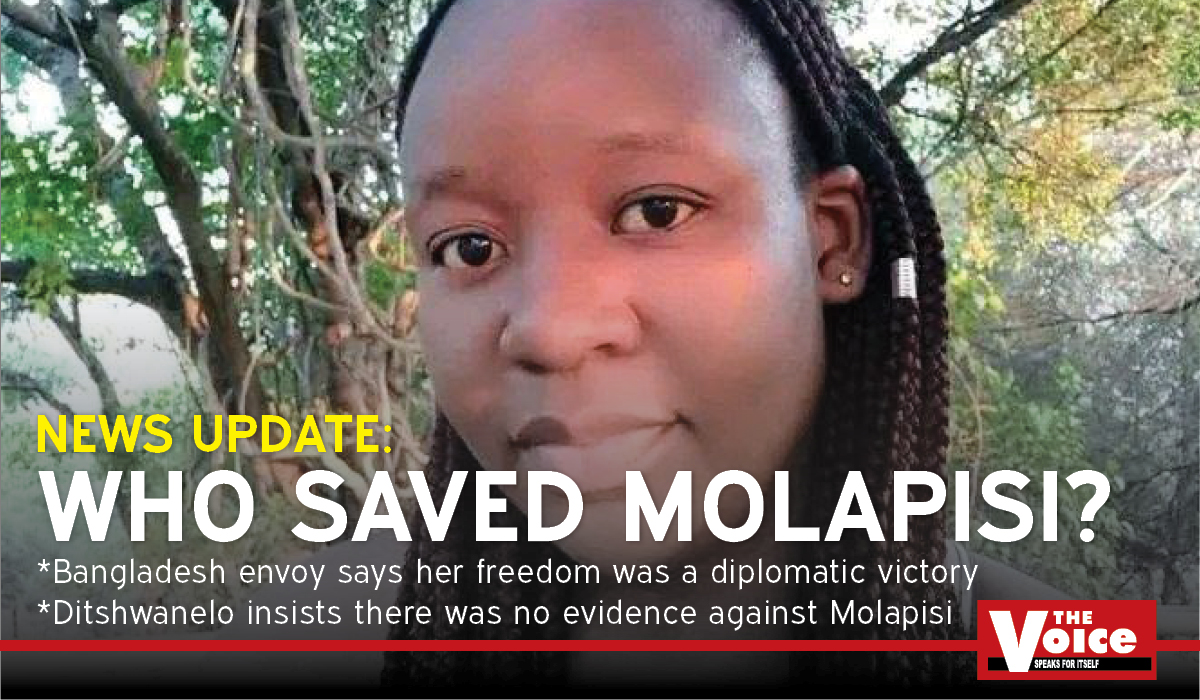
Lesedi Molapisi: Bangladesh Prison Release Sparks Diplomatic Victory Claims
Summary
- Lesedi Molapisi was released from a Bangladesh prison this week, ending a painful chapter for her family.
- Her freedom brought a sigh of relief, as she was pulled back from the shadow of death.
- A Bangladesh envoy described Molapisi's release as a "diplomatic victory."
- Ditshwanelo, a human rights organization, insisted there was no evidence against Molapisi.
Release from Detention
The case of Lesedi Molapisi's Bangladesh prison release underscores the critical importance of both diplomatic intervention and dedicated human rights advocacy in securing the freedom of individuals detained abroad.
Lesedi Molapisi has been released from a Bangladesh prison this week, bringing a profound sense of relief to her family after a protracted and agonizing period. Her freedom marks the conclusion of a deeply distressing chapter, as her loved ones had been grappling with the grave danger she faced while incarcerated. The news has been met with a collective sigh of relief, signifying a reprieve from what was described as the shadow of death.
The circumstances surrounding her detention and the subsequent efforts to secure her release have been a source of significant concern. The emotional toll on her family, who endured a painful chapter, highlights the immense personal stakes involved in cases of international detention. Her return from this perilous situation underscores the critical nature of the interventions that ultimately led to her freedom.
Conflicting Narratives on Freedom
While Molapisi's release from the Bangladesh prison is a clear outcome, the underlying reasons for her freedom are subject to differing interpretations from key stakeholders. A Bangladesh envoy has characterized her release as a significant "diplomatic victory," suggesting that sustained governmental engagement and negotiation played a pivotal role in securing her return. This perspective emphasizes the effectiveness of official channels and international relations in resolving complex detention cases.
Conversely, Ditshwanelo, a human rights organization, has presented a contrasting viewpoint, asserting that there was no substantive evidence against Molapisi. This insistence implies that her detention may have been unwarranted or lacked sufficient legal basis, and therefore, her release was a rectification of an injustice rather than solely a diplomatic achievement. The divergence in these narratives highlights the multifaceted nature of such international incidents, where legal arguments, human rights advocacy, and diplomatic maneuvering often intersect.
Implications of Diplomatic and Advocacy Efforts
The case of Lesedi Molapisi's Bangladesh prison release underscores the critical importance of both diplomatic intervention and dedicated human rights advocacy in securing the freedom of individuals detained abroad. The assertion by a Bangladesh envoy of a "diplomatic victory prisoner release" points to the tangible impact of state-level engagement, which can often navigate complex legal and political landscapes in foreign jurisdictions. Such efforts are frequently crucial in situations involving citizens facing detention in other countries, including instances of Botswana citizen Bangladesh detention, where international relations can directly influence outcomes.
Simultaneously, Ditshwanelo's insistence on "Molapisi no evidence release" highlights the indispensable role of non-governmental organizations in scrutinizing legal processes and advocating for due process and fundamental rights. This "Molapisi Ditshwanelo advocacy" provides an essential check, ensuring that human rights considerations remain at the forefront, even amidst diplomatic negotiations. The interplay between these two forces — official diplomatic channels and independent human rights monitoring — often creates the necessary pressure and pathways for individuals to be pulled back from severe peril, demonstrating the broader significance of international human rights principles in practice.
Practical Implications
This case demonstrates the critical role of diplomatic intervention and human rights advocacy in securing the release of citizens detained abroad, particularly when evidence is contested. Lawyers representing clients facing foreign detention should consider exploring all available diplomatic and human rights channels as part of their defense strategy.
Source
How does this affect you?
Get an AI analysis of this article grounded in your jurisdictions, practice areas, and any policy documents you've uploaded to Wansom.
Finish Reading the Full Story and the Expert Analysis.
Wansom is AI and can make mistakes.