
Ouganda: Les 11 Civils Congolais Arrêtés Recouvrent Leur Liberté
Summary
- Eleven Congolese civilians were arrested by Ugandan security services at Busunga.
- Busunga is an unofficial crossing point located approximately 85 kilometers from Beni, Nord-Kivu.
- The arrests were made under reinforced control measures aimed at preventing Ebola virus disease.
- All eleven civilians were subsequently released on Saturday, September 19, 2026.
The Detention and Release
Eleven Congolese civilians, who had been held by Ugandan security forces, regained their freedom on Saturday, September 19, 2026.
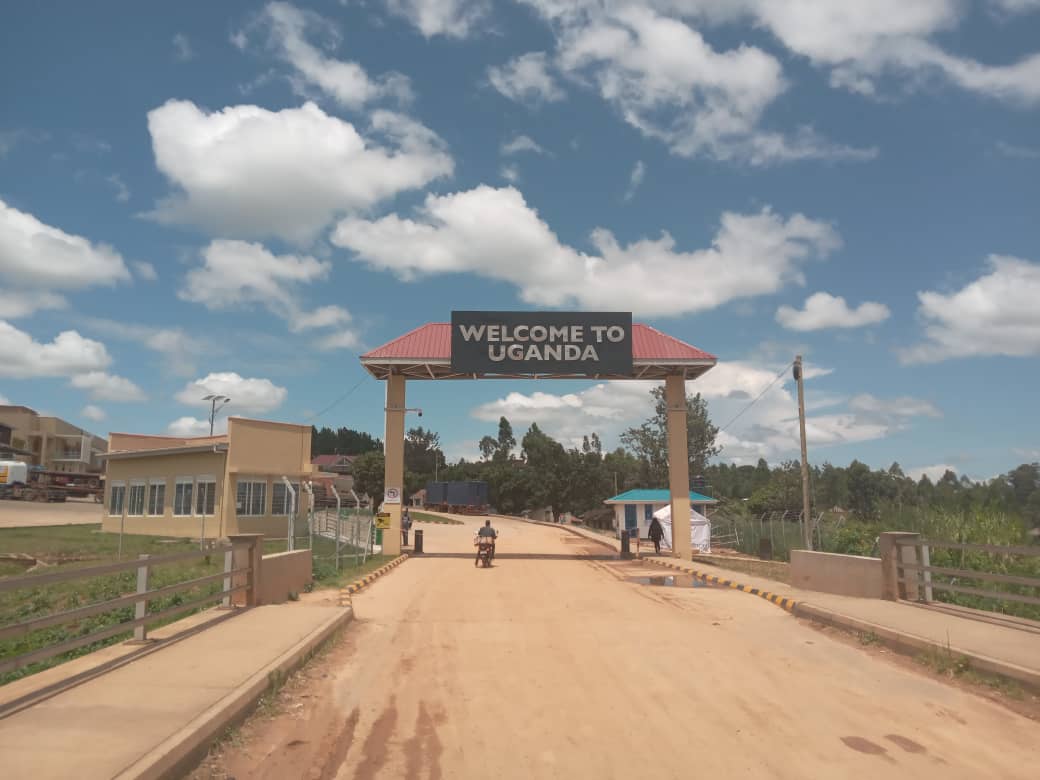
Eleven Congolese civilians, who had been held by Ugandan security forces, regained their freedom on Saturday, September 19, 2026. Their detention by authorities in Uganda stemmed from an incident at Busunga, a location identified as an unofficial border crossing. This point, situated roughly 85 kilometers from the city of Beni in the Nord-Kivu province, has been subject to heightened scrutiny. The release marks the conclusion of a period of apprehension for the individuals involved, highlighting the dynamic nature of border enforcement in the region.
The group's initial apprehension by Ugandan security services occurred at this specific unofficial passage. Such crossings are often challenging for authorities to monitor comprehensively, particularly when implementing stringent public health protocols. The circumstances surrounding their arrest underscore the complexities faced by both civilians navigating porous borders and security personnel tasked with maintaining order and safety. Their eventual liberation brings an end to their period of custody, allowing them to return to their communities.
Border Controls and Public Health
The arrests at Busunga were directly linked to intensified control measures put in place to combat the spread of the Ebola virus disease. This critical health crisis necessitated robust preventative actions, particularly at entry and exit points along the border. Busunga, being an unofficial crossing, presented a unique challenge for implementing these health protocols effectively. The proximity of this point to Beni, a significant urban center in Nord-Kivu, further amplified the need for vigilance, given the historical and ongoing struggles with Ebola outbreaks in the Democratic Republic of Congo.
Authorities often face a delicate balance between facilitating legitimate cross-border movement and enforcing strict health regulations, especially at informal routes. Unofficial passages, by their very nature, are difficult to police, making them potential vectors for disease transmission if not adequately managed. The reinforced measures at Busunga were a direct response to this public health imperative, aiming to mitigate risks associated with uncontrolled movement across the international boundary. The detention of the Congolese civilians, therefore, occurred within this broader framework of disease containment efforts.
Implications of Cross-Border Incidents
The release of the eleven Congolese civilians on September 19, 2026, underscores the often-tense but ultimately resolvable situations that can arise at international borders, particularly in regions grappling with health crises. While the initial detention was a consequence of stringent security and health protocols, their subsequent liberation points to a resolution, allowing the individuals to resume their lives. Such incidents highlight the human element within broader geopolitical and public health strategies.
The episode at Busunga serves as a reminder of the challenges inherent in managing borders between nations, especially where informal routes are prevalent and public health emergencies demand immediate and decisive action. The fact that these individuals were ultimately freed suggests a process of review and resolution, even after initial arrests made under the umbrella of disease prevention. This outcome provides a measure of relief for the individuals and their families, concluding a period of uncertainty following their apprehension by Ugandan security services.
Source
How does this affect you?
Get an AI analysis of this article grounded in your jurisdictions, practice areas, and any policy documents you've uploaded to Wansom.
Finish Reading the Full Story and the Expert Analysis.
Get the latest legal & regulatory intelligence in DR Congo
Wansom is AI and can make mistakes.