
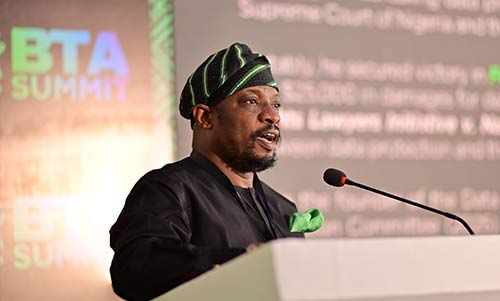
Olumide Babalola: Warns INEC on AI Risks for 2027 Elections
Summary
- Legal practitioner Olumide Babalola has warned about threats to Nigeria's 2027 general elections.
- He cited unregulated artificial intelligence, opaque digital platforms, and inadequate tech company accountability as key concerns.
- Babalola called for comprehensive security testing of all election-related platforms.
- He also advocated for greater transparency in political advertising.
- The expert emphasized the need for clear channels to report electoral manipulation.
Growing Concerns for Nigeria's 2027 Elections
He articulated a scenario where voters might be influenced in ways they do not consciously recognize, suggesting that sophisticated AI and algorithmic systems could shape individual choices ahead of the 2027 elections.
Legal expert Olumide Babalola has issued a significant caution regarding the upcoming 2027 general elections in Nigeria, highlighting potential vulnerabilities that could undermine the integrity of the democratic process. Babalola warns INEC that artificial intelligence (AI) and other technological advancements, if left unchecked, pose a serious risk to the fairness and transparency of future polls. His concerns center on the pervasive influence of unregulated artificial intelligence, the inherent opaqueness of various digital platforms, and the current absence of robust accountability frameworks for technology companies operating within the electoral sphere. These elements, he suggests, could collectively compromise the foundational principles of free and fair elections.
The legal practitioner's intervention underscores a growing apprehension about the intersection of advanced technology and electoral systems. He specifically pointed to the capacity of these tools to subtly manipulate public opinion and voter behavior. The integrity of Nigeria's electoral landscape in 2027 hinges on addressing these emergent challenges, which could otherwise distort the will of the electorate. Babalola's assessment serves as a critical alert for electoral stakeholders to proactively engage with the complex implications of digital innovation on democratic exercises.
The Peril of Unregulated Technology
A central theme of Olumide Babalola's warning is the insidious nature of unregulated artificial intelligence and its algorithms. He articulated a scenario where voters might be influenced in ways they do not consciously recognize, suggesting that sophisticated AI and algorithmic systems could shape individual choices ahead of the 2027 elections. This potential for electoral process AI manipulation necessitates immediate attention from regulatory bodies, including INEC, to prevent undue interference in the democratic process. The rapid evolution of Nigeria 2027 election technology demands a corresponding evolution in oversight.
To counteract these threats, Babalola specifically advocated for rigorous and comprehensive security testing of all election-related digital platforms. Such testing would aim to identify and mitigate vulnerabilities that could be exploited by malicious actors or inadvertently lead to biased outcomes. The call for enhanced scrutiny of INEC digital platform regulation reflects a broader concern about ensuring that the technological infrastructure supporting elections is resilient, transparent, and impervious to manipulation, thereby safeguarding the sanctity of the ballot.
Calls for Enhanced Transparency and Accountability
Beyond identifying the problems, Olumide Babalola also put forth concrete recommendations to fortify the electoral system against technological exploitation. A key demand was for significantly greater transparency in political advertising, especially across digital channels. He emphasized the need for clear disclosure regarding the sources and funding of political messages disseminated online, a critical component for ensuring political advertising transparency Nigeria. Without such measures, the public remains vulnerable to covert influence campaigns that leverage sophisticated algorithms to target and persuade voters.
Furthermore, Babalola stressed the importance of establishing clear and accessible channels for reporting any instances of technological misuse or manipulation during the electoral cycle. This would empower citizens and observers to flag suspicious activities, ensuring that concerns about electoral process AI manipulation are promptly addressed. The legal practitioner's proposals collectively aim to create a more accountable environment for technology companies whose platforms are utilized in the electoral process, thereby fostering trust and integrity in the lead-up to and during the 2027 general elections.
Practical Implications
Lawyers should monitor potential legislative or regulatory developments concerning AI and digital platform use in Nigerian elections, advising clients on compliance and preparing for potential challenges related to technology-driven electoral manipulation in 2027.
Source
How does this affect you?
Get an AI analysis of this article grounded in your jurisdictions, practice areas, and any policy documents you've uploaded to Wansom.
Finish Reading the Full Story and the Expert Analysis.
Get the latest legal & regulatory intelligence in Nigeria
Wansom is AI and can make mistakes.