
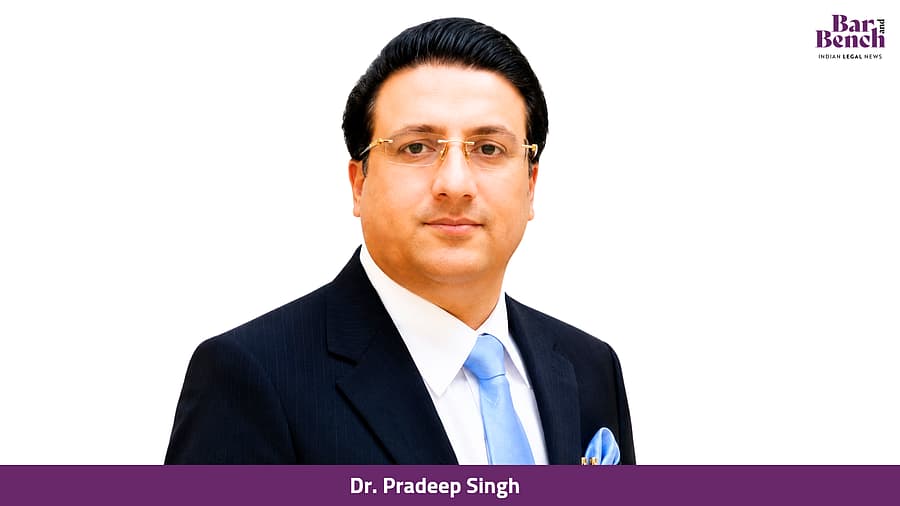
India: Redefining Dispute Resolution for Sustainable Outcomes
Summary
- Dispute resolution is evolving beyond simply determining winners and losers towards achieving sustainable outcomes.
- This shift requires a multidisciplinary perspective, integrating insights from law, corporate advisory, governance, and dispute resolution itself.
- While courts and arbitration remain indispensable for authoritative determinations, they do not define the entire scope of conflict resolution.
- Disputes, which arise across diverse relationships and environments, present a recurring challenge to protect rights, uphold ethics, and find effective resolutions.
- Any innovative approach must remain firmly grounded in law, legitimacy, and underlying ethical principles.
Redefining Dispute Resolution in India
Instead, it proposes a more profound inquiry: whether a dispute can serve as a catalyst for achieving a superior and more sustainable resolution.
The landscape of conflict resolution in India is poised for a significant evolution, moving beyond traditional adversarial models to embrace more holistic and sustainable outcomes. A recent reflection, drawing on diverse fields such as law, corporate and institutional advisory, governance, and the practice of dispute resolution itself, posits a fundamental shift in how conflicts are approached. This multidisciplinary perspective suggests that the very design of dispute resolution can transcend merely determining competing claims, instead aiming for solutions that endure.
This forward-looking view challenges the conventional focus on identifying winners and losers. Instead, it proposes a more profound inquiry: whether a dispute can serve as a catalyst for achieving a superior and more sustainable resolution. This innovative approach to dispute resolution in India underscores the potential for conflicts to unlock pathways to improved relationships and lasting agreements, rather than simply concluding legal battles. It highlights a critical juncture for the future of dispute resolution in India, advocating for a paradigm where the end goal is not just resolution, but sustainable resolution.
The Enduring Role of Traditional Adjudication
Despite the push for innovative dispute resolution approaches in India, the foundational role of law remains paramount. It is indispensable for safeguarding rights, ensuring the fulfillment of obligations, and upholding the rule of law across all sectors. Within this framework, established mechanisms like courts and arbitration continue to serve vital functions. Courts, backed by sovereign authority, provide definitive adjudication, offering authoritative pronouncements on legal matters.
Similarly, arbitration presents an internationally recognized structure for the binding resolution of disagreements. Both these traditional avenues are crucial in specific circumstances: when rights demand authoritative determination, when public policy or legal precedent is at stake, when interim protective measures are required, or when a consensual resolution is either inappropriate or unattainable. However, it is important to recognize that while essential, adjudication does not need to encompass the entirety of the resolution architecture.
Embracing Solution-Oriented Approaches
Disputes are an inherent part of human interaction, manifesting across a wide spectrum of relationships—be they international, governmental, institutional, corporate, commercial, or individual. These conflicts emerge at varying scales and within diverse legal, economic, and social contexts. Despite their varied manifestations, a consistent underlying challenge persists: how to effectively protect legitimate rights and interests, ensure ethical considerations guide actions, and ultimately resolve the conflict at hand.
This recurring challenge necessitates a move beyond conventional dispute resolution methods, prompting the exploration of more comprehensive and solution-oriented conflict resolution strategies. Adopting a multidisciplinary dispute resolution approach in India allows for a broader perspective, integrating insights from various fields to craft resolutions that address the root causes of conflict and foster long-term stability. This shift represents a commitment to finding creative, practical solutions that extend beyond mere legal pronouncements.
Foundational Principles for Evolving Practices
Crucially, any evolution towards more innovative dispute resolution approaches in India must remain firmly anchored in fundamental principles. The pursuit of sustainable solutions cannot compromise the bedrock of law, legitimacy, and underlying ethics. These principles serve as non-negotiable guideposts, ensuring that even as the architecture of resolution expands, the integrity and fairness of the process are maintained.
For legal and compliance professionals in India, this implies a strategic imperative: to advise clients on pathways that not only resolve immediate conflicts but also uphold these core values, fostering trust and long-term viability. This ensures that while seeking solution-oriented conflict resolution, the legal and ethical framework is always respected.
Practical Implications
Lawyers and compliance officers in India should consider evolving their approach to dispute resolution, moving beyond traditional adjudication to explore multidisciplinary, solution-oriented strategies that aim for sustainable outcomes while upholding legal and ethical principles. This shift can inform client advisory on alternative conflict resolution pathways.
Source
How does this affect you?
Get an AI analysis of this article grounded in your jurisdictions, practice areas, and any policy documents you've uploaded to Wansom.
Finish Reading the Full Story and the Expert Analysis.
Wansom is AI and can make mistakes.