
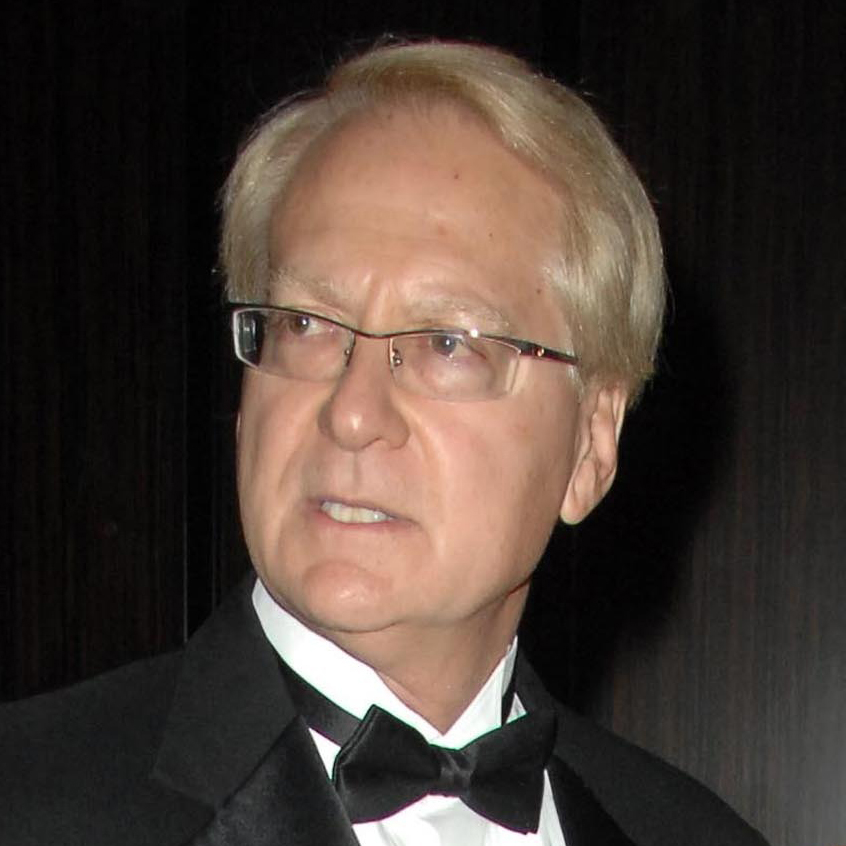
US Supreme Court: Larry Klayman Disbarred After Ethical Breaches
Summary
- The U.S. Supreme Court disbarred Larry Klayman on Monday, November 9, 2026.
- This action followed an 18-month suspension issued last year by the District of Columbia Court of Appeals.
- Klayman's disciplinary issues stemmed from ethical violations during his attempt to represent Cliven Bundy in Nevada federal court in 2016.
- Allegations included misleading the court about his disciplinary status and making baseless claims against a judge.
- Klayman stated the Supreme Court's order lacks reasoning and is subject to reconsideration.
What Happened
This development serves as a critical reminder for all legal practitioners to meticulously adhere to ethical rules, particularly regarding disclosure of disciplinary status when seeking pro hac vice admission.
The U.S. Supreme Court has disbarred Larry Klayman, the founder and former chairman of the conservative advocacy organization Judicial Watch and a well-known activist. This significant attorney discipline action was finalized on Monday, November 9, 2026, marking a definitive end to his legal standing before the nation's highest court. The disbarment follows an 18-month suspension that had been imposed on Klayman by the District of Columbia Court of Appeals just last year.
This ultimate sanction by the US Supreme Court underscores the gravity of the ethical breaches identified in Klayman's professional conduct. The decision effectively removes his privilege to practice law in federal courts, reflecting a culmination of disciplinary proceedings that originated several years prior. The sequence of events, from the initial suspension to the final disbarment, highlights a sustained pattern of findings against the attorney regarding his adherence to professional standards.
Genesis of the Disciplinary Action
The disciplinary actions against Larry Klayman, culminating in his disbarment, stemmed from a series of ethical violations connected to his representation of rancher Cliven Bundy. Bundy was embroiled in a criminal case in Nevada federal court, arising from a 2014 standoff with federal agents. In 2016, Klayman, who was a Florida attorney and is currently suspended from the Florida Bar, sought to join Bundy's legal team by applying for pro hac vice status, which permits an out-of-state lawyer to practice in a specific case.
A complaint was subsequently filed against Klayman in 2018 by the District of Columbia Office of Disciplinary Counsel. This complaint alleged that Klayman had provided misleading information to the U.S. District Court for the District of Nevada concerning his disciplinary status at the time he sought to represent Bundy. Furthermore, the disciplinary office accused Klayman of making baseless claims against the judge who ultimately denied his admission to the Nevada court, adding another layer to the serious allegations of attorney ethical violations.
The Disciplinary Process and Klayman's Stance
The District of Columbia Bar’s findings regarding Klayman’s conduct and the subsequent 18-month suspension were formally adopted through a ruling by a D.C. appellate court. This judicial endorsement solidified the basis for the disciplinary measures taken against the Judicial Watch founder, setting the stage for the eventual US Supreme Court attorney sanctions. The process involved a thorough review of the allegations and Klayman's responses, leading to the conclusion that his actions warranted significant professional repercussions.
In response to the Supreme Court's disbarment order, Larry Klayman issued a statement to Law360 on Monday, November 11, 2026, expressing his disagreement. He contended that the order lacked both factual and legal reasoning, asserting that it was not final and remained subject to reconsideration. Klayman further indicated that a recent "compelling submission" he made to the Supreme Court appeared to have been overlooked, and he plans to use this as a basis for seeking reconsideration of the decision.
Implications for Legal Practice
This development serves as a critical reminder for all legal practitioners to meticulously adhere to ethical rules, particularly regarding disclosure of disciplinary status when seeking pro hac vice admission. The disbarment of a prominent attorney like Larry Klayman by the Supreme Court underscores the severe consequences that can arise from such breaches. Failure to fully disclose one's disciplinary history, or making unfounded accusations against judicial officers, carries significant professional penalties.
The case highlights the judiciary's commitment to upholding the integrity of the legal profession. Attorney discipline, including the ultimate sanction of disbarment, is a serious measure intended to protect the public and maintain confidence in the justice system. Such actions can profoundly impact a lawyer's entire career and professional standing, emphasizing the paramount importance of ethical conduct and transparency in all legal proceedings.
Practical Implications
This development serves as a critical reminder for all legal practitioners to meticulously adhere to ethical rules, particularly regarding disclosure of disciplinary status when seeking pro hac vice admission. Failure to do so, or making baseless claims against judicial officers, carries severe consequences, including disbarment, which can impact a lawyer's entire career and professional standing.
Source
Source: Facts reported by Law360.
How does this affect you?
Get an AI analysis of this article grounded in your jurisdictions, practice areas, and any policy documents you've uploaded to Wansom.
Finish Reading the Full Story and the Expert Analysis.
Get the latest legal & regulatory intelligence in United States
Wansom is AI and can make mistakes.