
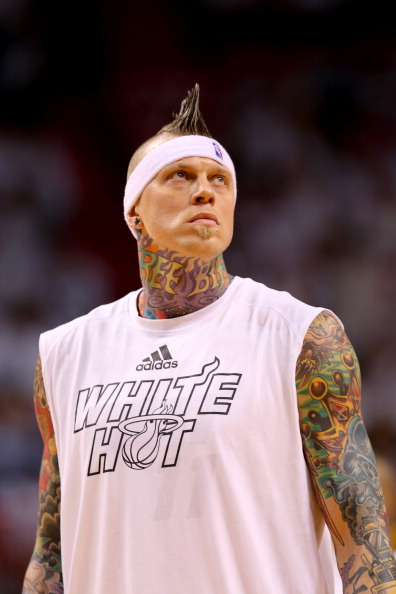
Chris Andersen: Attorney Malpractice Settlement Reached With Mark L. Bryant
Summary
- Former NBA player Chris Andersen settled a legal malpractice lawsuit against his attorney, Mark L. Bryant, in Colorado state court.
- The lawsuit alleged Bryant failed to protect Andersen's intellectual property rights by signing an unauthorized documentary agreement.
- Andersen claimed the agreement restricted his future projects and resulted in zero compensation, despite Netflix distributing the film.
- Other allegations included attorney client funds misappropriation, failure to resolve liabilities, and negligent advice to family members.
- The settlement terms remain confidential, and a scheduled trial for December 7 was vacated.
Settlement Reached in High-Profile Malpractice Case
This Chris Andersen attorney malpractice settlement serves as a critical reminder for legal professionals regarding the paramount importance of meticulous client representation, especially concerning intellectual property and financial management.
Former NBA star Chris "Birdman" Andersen has successfully settled a legal malpractice lawsuit against his attorney, Mark L. Bryant. The resolution of the case, which was filed in Colorado state court, was achieved during mediation on Monday, leading to a joint notice of settlement submitted to the court on Tuesday. This development prompted a request to vacate all upcoming deadlines, including a trial that had been scheduled for December 7.
While the specific financial details and other terms of the Chris Andersen attorney malpractice settlement remain undisclosed, the agreement brings an end to a contentious legal battle. Andersen, a former player for the Denver Nuggets and Miami Heat, initiated the lawsuit against Bryant in 2024, alleging a range of professional failings that he claimed caused him significant harm.
Allegations of Misconduct and IP Negligence
The lawsuit brought by Andersen against Mark L. Bryant encompassed several serious allegations, central among them being the attorney's alleged failure to protect the NBA player's intellectual property rights. Andersen claimed that in 2022, Bryant signed a collaboration agreement for a documentary about Andersen's life and career, including his experience with a catfishing scheme, without his knowledge or consent. This agreement, which involved Shaquille O'Neal's production company, Jersey Legends, and another firm, was reportedly nearly identical to a draft Andersen had previously rejected as unacceptable.
This unauthorized signing, Andersen asserted, severely restricted his future ability to participate in other projects related to his life story and the catfishing incident. Despite Netflix agreeing to distribute the documentary, Andersen stated he received zero compensation from the project. Beyond the intellectual property concerns, the lawsuit also accused Bryant of misappropriating client funds, failing to resolve Andersen's financial liabilities, and providing negligent advice to family members, which allegedly contributed to the ruin of his in-laws' creperie business. These claims highlight the severe consequences of alleged attorney client funds misappropriation and negligent counsel.
Why It Matters for Legal Professionals
This Chris Andersen attorney malpractice settlement serves as a critical reminder for legal professionals regarding the paramount importance of meticulous client representation, especially concerning intellectual property and financial management. The allegations in the Colorado legal malpractice lawsuit underscore the attorney's duty to secure explicit client consent for all agreements, particularly those involving high-stakes media deals and personal narratives. Failure to do so can lead to significant restrictions on a client's future opportunities and substantial financial losses.
The case also highlights the severe repercussions of alleged financial mismanagement and negligent advice. Attorneys are entrusted with safeguarding client assets and providing sound counsel, and any deviation from these responsibilities can result in severe legal and reputational damage. The resolution of this Mark L. Bryant legal malpractice case, even with undisclosed Andersen Bryant settlement terms, reinforces the necessity for robust internal controls, transparent communication, and unwavering adherence to ethical obligations to prevent similar disputes and protect client interests.
Practical Implications
This case serves as a critical reminder for attorneys to meticulously manage client intellectual property rights and financial affairs, particularly in high-stakes media deals. Failure to secure proper client consent for agreements or negligent advice can lead to significant malpractice claims and settlements, underscoring the need for robust internal controls and clear communication.
Source
Source: Original reporting via Law360
How does this affect you?
Get an AI analysis of this article grounded in your jurisdictions, practice areas, and any policy documents you've uploaded to Wansom.
Finish Reading the Full Story and the Expert Analysis.
Get the latest legal & regulatory intelligence in United States
Wansom is AI and can make mistakes.