
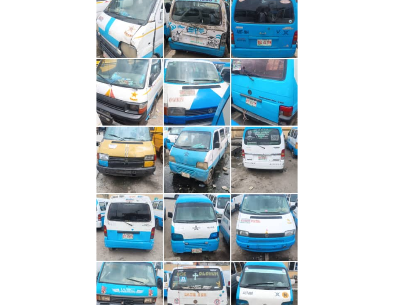
Lagos VIS: Impounds 38 Illegal BRI Buses Operating Without Approval
Summary
- The Lagos State Vehicle Inspection Service (VIS) impounded 38 buses in Lagos.
- These buses were operating illegally under the Bus Reform Initiative (BRI).
- The impoundment occurred because the vehicles lacked required licenses and official approval from the Lagos Metropolitan Area Transport Authority (LAMATA).
- The action highlights strict enforcement of transport regulations in Lagos.
What Happened
Ensuring that all vehicles and services operating under the BRI, or any other public transport scheme, possess valid licenses and explicit approval from LAMATA is not merely a recommendation but a mandatory requirement to avoid impoundment, penalties, and disruption of services.
The Lagos State Vehicle Inspection Service (VIS) recently took decisive action against unauthorized public transportation operations within the state, impounding a total of 38 buses. These vehicles were specifically targeted for allegedly engaging in illegal activities under the umbrella of the Bus Reform Initiative (BRI). The enforcement drive by VIS underscores the state's commitment to regulating its extensive public transport network and ensuring compliance with established operational guidelines.
The impoundment stemmed directly from the buses' failure to meet critical regulatory prerequisites. Investigations revealed that these 38 buses were operating within the BRI framework without possessing the necessary licenses mandated for such services. Furthermore, they lacked the official approval required from the Lagos Metropolitan Area Transport Authority (LAMATA), the principal body responsible for planning, regulating, and implementing integrated transport systems in Lagos. This dual deficiency in licensing and official endorsement formed the basis for the enforcement action.
Regulatory Compliance and Oversight
The Bus Reform Initiative (BRI) represents a significant effort by the Lagos State Government to modernize and streamline its public transportation sector, aiming to provide more efficient and structured services to its vast population. Integral to the success and integrity of this initiative are stringent licensing and approval processes, which are overseen by the Lagos Metropolitan Area Transport Authority (LAMATA). LAMATA's mandate includes ensuring that all operators within the BRI framework adhere to specific standards, safety protocols, and operational guidelines designed to protect commuters and maintain order.
The absence of both required licenses and official LAMATA approval for the impounded buses highlights a critical lapse in regulatory compliance. Such authorizations are not mere bureaucratic hurdles; they are fundamental to ensuring that vehicles are roadworthy, operators are qualified, and services meet the established quality and safety benchmarks set for public transport in a densely populated metropolis like Lagos. Operating without these essential documents undermines the very structure and purpose of the BRI, creating an unregulated environment that could pose risks to the public and unfair competition to compliant operators.
Implications for Transport Operations
The recent impoundment of 38 buses by the Lagos State Vehicle Inspection Service sends a clear message to all public transport operators in Lagos regarding the imperative of strict adherence to regulatory frameworks. This enforcement action underscores the potential consequences for entities that choose to operate outside the established legal and administrative channels, particularly within high-profile initiatives like the Bus Reform Initiative. It reinforces the authority of bodies like VIS and LAMATA in maintaining order and ensuring accountability within the state's complex transportation ecosystem.
For transport companies and their legal advisors, this incident serves as a stark reminder of the need for thorough due diligence concerning operational permits and official endorsements. The Lagos State Government, through its agencies, is actively monitoring compliance, and unauthorized operations will face swift and decisive action. Ensuring that all vehicles and services operating under the BRI, or any other public transport scheme, possess valid licenses and explicit approval from LAMATA is not merely a recommendation but a mandatory requirement to avoid impoundment, penalties, and disruption of services. This incident highlights the ongoing efforts to professionalize and regulate public transport for the benefit of all Lagos residents.
Practical Implications
Transport companies and their legal counsel in Lagos must review their compliance with LAMATA licensing and approval requirements for Bus Reform Initiative operations to prevent vehicle impoundment and potential penalties. This highlights the enforcement risk for non-compliant operators.
Source
How does this affect you?
Get an AI analysis of this article grounded in your jurisdictions, practice areas, and any policy documents you've uploaded to Wansom.
Finish Reading the Full Story and the Expert Analysis.
Get the latest legal & regulatory intelligence in Nigeria
Wansom is AI and can make mistakes.