
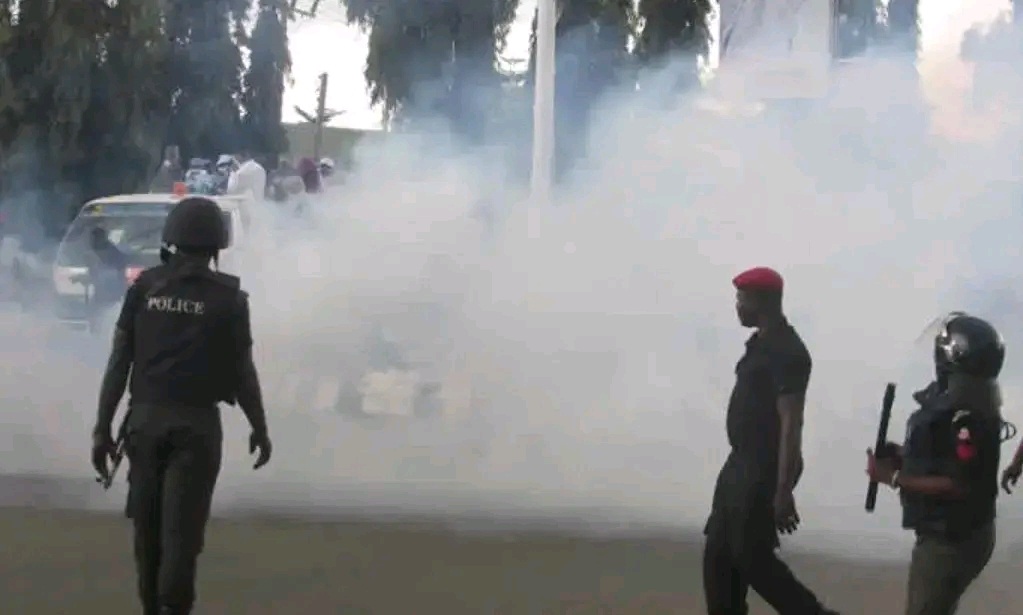
Lagos Police: Tear Gas Disperses Pensioners' Arrears Protest
Summary
- Pensioners protested at Lagos House on Monday over unpaid arrears.
- Police used tear gas to disperse the elderly demonstrators.
- The pensioners are questioning the police's decision to deploy tear gas.
- This incident adds a new dimension to the ongoing dispute regarding the arrears.
Incident at Lagos House
The forceful dispersal of elderly citizens, who were simply exercising their fundamental right to protest in Nigeria over their entitlements, conveys a troubling message about the state's approach to dissent and public expression.
A recent Monday saw a protest by pensioners at Lagos House, the seat of government in Lagos, which culminated in law enforcement officers deploying tear gas to disperse the gathering. The demonstration, focused on outstanding arrears owed to these elderly citizens, brought the issue directly to public attention. This event, now known as the Lagos police tear gas pensioners protest, represents a significant escalation in the ongoing dispute over these payments.
The pensioners involved in the Lagos pensioners arrears protest have since vociferously challenged the police's actions, specifically questioning the necessity and appropriateness of using tear gas for the Lagos House protest dispersal. Their public questioning underscores a deep concern regarding the use of force against what they assert was a peaceful assembly, highlighting the contentious nature of the police response.
Legal and Human Rights Implications
The deployment of tear gas by the Nigeria police to disperse the protesting pensioners immediately brings into sharp focus critical questions surrounding the constitutional right to protest in Nigeria. The 1999 Constitution of Nigeria explicitly guarantees citizens the right to peaceful assembly and freedom of expression. However, the exercise of force by state agents during such gatherings is strictly governed by both national laws and international human rights standards.
International human rights instruments, to which Nigeria is a signatory, mandate that force, particularly potentially harmful measures like tear gas, should only be employed as a last resort, be proportionate to any perceived threat, and be absolutely necessary. This incident at Lagos House therefore prompts a close examination of the operational guidelines and training protocols for the Nigeria police use of force during public demonstrations. Legal experts frequently emphasize that the dispersal of any peaceful assembly, especially one involving vulnerable populations such as pensioners, must be executed with the utmost restraint and strict adherence to due process, raising concerns about potential instances of police brutality Lagos Nigeria.
Broader Significance
This particular Lagos police tear gas pensioners protest introduces a new dimension to the existing dispute over arrears, transforming what was primarily a financial grievance into a broader issue concerning human rights and governance. The forceful dispersal of elderly citizens, who were simply exercising their fundamental right to protest in Nigeria over their entitlements, conveys a troubling message about the state's approach to dissent and public expression. Such actions risk eroding public trust in both law enforcement and governmental institutions, potentially fostering an environment where citizens feel their constitutional rights are not adequately protected.
For legal practitioners, this incident serves as a potent reminder of the imperative to closely monitor police conduct during public assemblies and to be prepared to challenge instances of excessive force or police brutality Lagos Nigeria. The direct questioning of the police's decision by the pensioners themselves is a crucial aspect, signifying a direct challenge to the legitimacy of the force employed. It underscores the ongoing struggle for accountability and adherence to democratic principles in the management of civil unrest and the protection of fundamental freedoms, particularly when vulnerable groups are involved in expressing their grievances.
Practical Implications
This incident raises critical questions about the legality of police force in dispersing peaceful assemblies and potential human rights violations in Nigeria. Lawyers should advise clients on the constitutional right to protest and monitor for any legal actions challenging police conduct.
Source
How does this affect you?
Get an AI analysis of this article grounded in your jurisdictions, practice areas, and any policy documents you've uploaded to Wansom.
Finish Reading the Full Story and the Expert Analysis.
Wansom is AI and can make mistakes.