
Lagos Auto Parts Chinese Retail Protest: Traders Demand Market Exit
Summary
- Auto spare parts traders in Lagos protested against Chinese retailers operating within their market.
- The traders demanded that Chinese retailers relocate their operations from the specific market area.
- They clarified that their protest was not a call for Chinese businesses to leave Nigeria entirely, but rather to vacate their immediate trading space.
- The protest highlights local concerns about competition and foreign retail presence in specific Nigerian markets.
- This incident signals potential for increased regulatory scrutiny and calls for protectionist policies affecting foreign investment in Nigeria.
Lagos Auto Parts Market Erupts in Protest
Lawyers advising foreign retail clients in Nigeria should closely monitor local sentiment and potential trade disputes stemming from such protests.
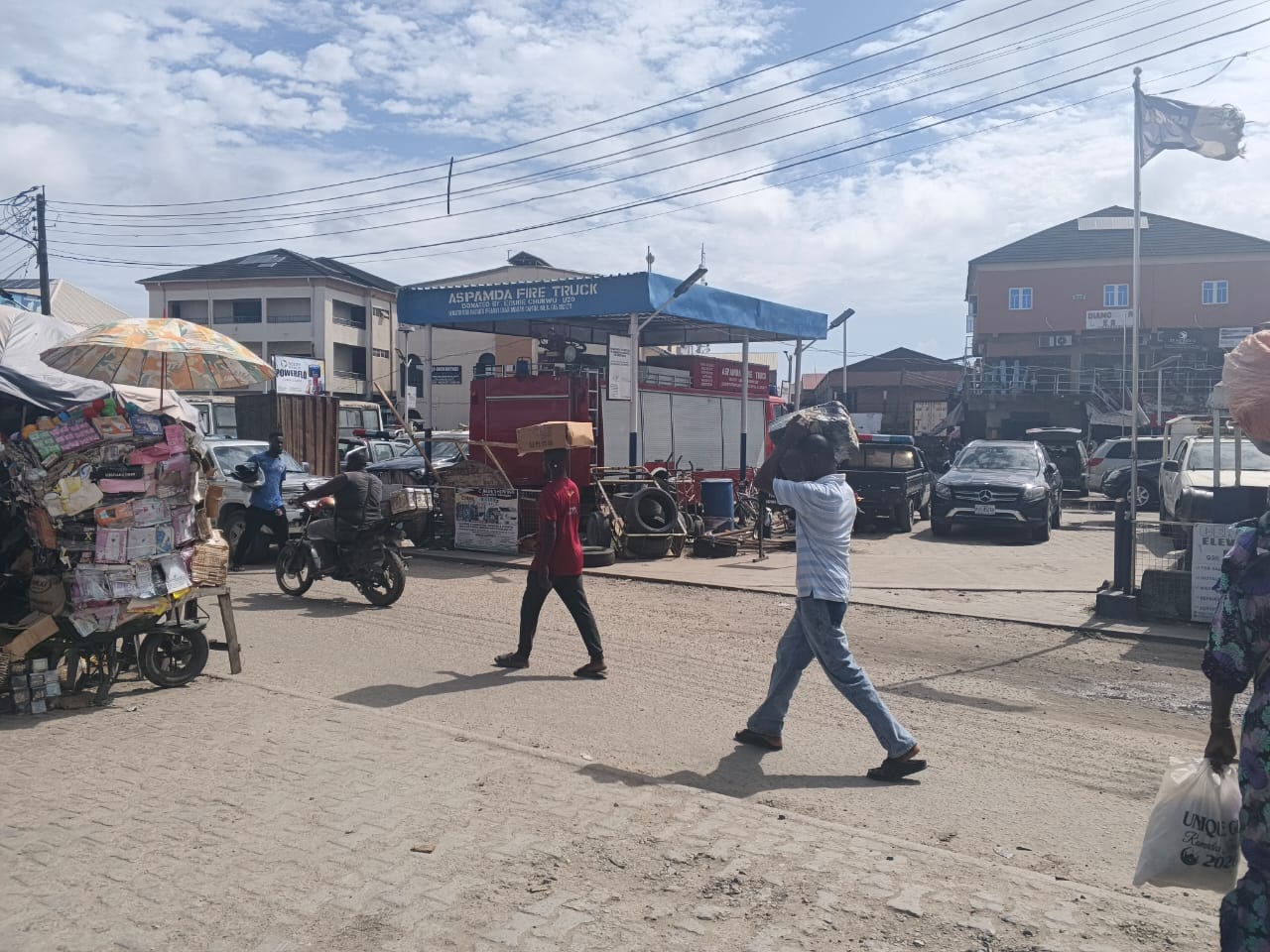
Auto spare parts traders in Lagos recently staged a protest within their local market, voicing strong opposition to the presence and activities of Chinese retailers. The demonstration unfolded inside the bustling Lagos auto parts market, where local merchants expressed their frustration over direct competition from foreign-owned businesses operating in the same retail space.
The core of the grievance centered on the immediate trading environment. The protesting traders articulated a clear demand: they sought for the Chinese retailers to vacate the specific market area where the local businesses operate. This localized demand highlights a growing tension within Nigeria's retail sector, particularly concerning foreign competition in specialized markets.
Local Traders' Specific Demands
A representative auto spare parts trader, speaking on behalf of the protesting group, clarified the precise nature of their appeal. The traders emphasized their desire for an equitable opportunity to conduct their sales within the market, urging their Chinese counterparts to relocate their operations to alternative sites. This statement underscored the fact that the Chinese retailers already maintain other commercial establishments outside the immediate market area.
Crucially, the traders' demands were not a call for the complete expulsion of Chinese businesses from Nigeria. Instead, their focus remained sharply on the immediate competitive landscape within the Lagos auto parts market. They specifically requested that Chinese retailers cease their activities in that particular location, distinguishing their protest from a broader anti-foreign investment stance and framing it as a dispute over fair competition in a shared retail space.
Broader Economic and Regulatory Context
This localized Lagos auto parts market dispute serves as a significant indicator of underlying tensions concerning foreign retail dominance in Nigeria. While the protest was confined to a specific market, it reflects wider concerns among Nigerian traders about Chinese competition and its impact on local businesses. Such demonstrations can often signal a growing sentiment that may influence future Nigeria trade policy discussions, potentially leading to increased scrutiny of foreign retail operations. The Lagos International Trade Fair Complex Management Board (LITFCMB) has commenced efforts to resolve these tensions, recognizing the concerns of Nigerian traders regarding fair competition, market access, and regulatory compliance.
For foreign investors, particularly those involved in Chinese investment retail in Nigeria, incidents like this underscore the importance of understanding and navigating local market dynamics and community sentiment. The protest, though specific in its immediate demands, highlights a broader challenge for foreign entities operating in sensitive sectors where local livelihoods are directly impacted.
Implications for Foreign Clients and Compliance
Lawyers advising foreign retail clients in Nigeria should closely monitor local sentiment and potential trade disputes stemming from such protests. These events can often precede increased regulatory scrutiny or calls for protectionist policies aimed at safeguarding local businesses. The nuanced demands of the Nigerian traders—seeking relocation rather than outright expulsion—provide a critical insight into the specific pressure points within the market.
Compliance officers, in particular, should assess the operational and reputational risks associated with foreign retail operations in sensitive local markets. Understanding the specific grievances, such as those articulated by the auto spare parts traders, is essential for developing robust risk mitigation strategies and ensuring sustainable engagement within Nigeria's diverse and dynamic commercial landscape.
Practical Implications
Lawyers advising foreign retail clients in Nigeria should monitor local sentiment and potential trade disputes, as protests like this can signal increased regulatory scrutiny or calls for protectionist policies. Compliance officers should assess operational and reputational risks associated with foreign retail operations in sensitive local markets.
Source
How does this affect you?
Get an AI analysis of this article grounded in your jurisdictions, practice areas, and any policy documents you've uploaded to Wansom.
Finish Reading the Full Story and the Expert Analysis.
Get the latest legal & regulatory intelligence in Nigeria
Wansom is AI and can make mistakes.