
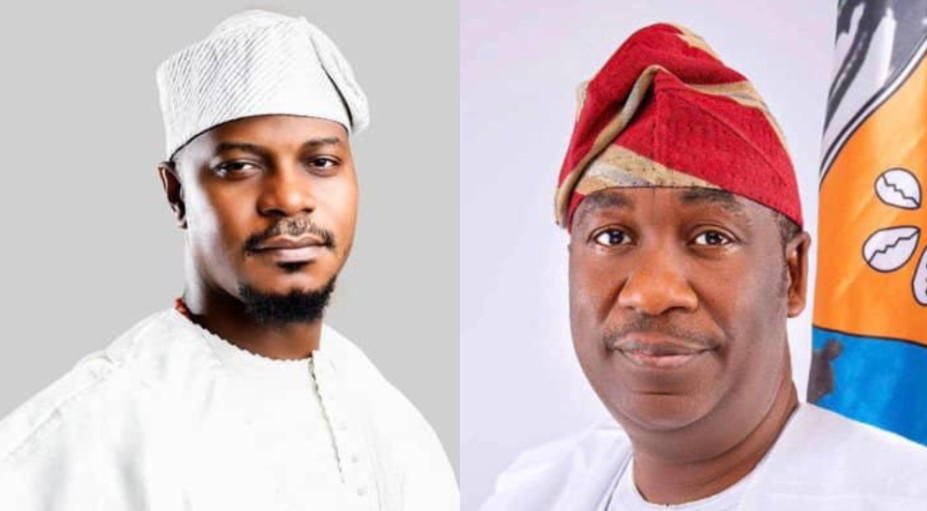
Lagos 2027: Hamzat US Allegiance Eligibility Questioned After Tribunal Testimony
Summary
- During 2023 election petition proceedings, immigration lawyer Olubusayo Fasidi testified before the Lagos State Governorship Election Petition Tribunal.
- Fasidi stated that Hamzat had applied for US naturalisation and taken an oath of allegiance to the United States.
- This testimony is now central to Gbadebo Rhodes-Vivour, now a member of the African Democratic Congress (ADC), questioning Hamzat's eligibility for future political contests, including Lagos 2027.
- The issue highlights ongoing legal debates regarding dual citizenship and oaths of allegiance for Nigerian political office holders.
Key Testimony Emerges
The implications of such an oath for holding public office in Nigeria are profound and continue to be a subject of intense legal debate.
The eligibility of political aspirants in Nigeria, particularly concerning dual citizenship and oaths of allegiance, has once again come under scrutiny following past testimony presented before the Lagos State Governorship Election Petition Tribunal. During the 2023 election petition proceedings, a significant revelation was made by Olubusayo Fasidi, an immigration lawyer, regarding the status of Hamzat. Fasidi's testimony detailed that Hamzat had previously applied for naturalisation in the United States.
Crucially, the lawyer further asserted that this application process included Hamzat taking an oath of allegiance to the United States. This specific piece of evidence, initially presented during the tribunal's review of the 2023 gubernatorial election, has resurfaced as a point of contention. It now forms the basis for renewed questioning by Gbadebo Rhodes-Vivour, now a member of the African Democratic Congress (ADC), concerning Hamzat's eligibility, particularly in the context of future political contests, such as the anticipated Lagos 2027 elections. The implications of such an oath for holding public office in Nigeria are profound and continue to be a subject of intense legal debate.
Legal Framework for Eligibility
The legal landscape surrounding dual citizenship and oaths of allegiance for Nigerian political office holders is complex, often leading to challenges like the Rhodes-Vivour Hamzat eligibility challenge. Nigerian constitutional eligibility requirements for certain high offices typically preclude individuals who have voluntarily acquired the citizenship of another country or sworn allegiance to a foreign power. The act of taking an oath of allegiance to a foreign nation is frequently interpreted as a renunciation of exclusive loyalty to Nigeria, which can directly impact a candidate's qualification to stand for election.
This issue of Nigerian election dual citizenship has been a recurring theme in election petitions across various levels of government. Tribunals, including the Lagos State Governorship Election Petition Tribunal, are tasked with interpreting these constitutional provisions in light of presented evidence, such as the Hamzat naturalisation oath testimony. The core legal question revolves around whether such an oath constitutes a disqualifying act under the relevant sections of the Nigerian Constitution, thereby rendering an individual ineligible for the office they seek or hold.
Broader Implications for Future Elections
The testimony provided by Olubusayo Fasidi, the immigration lawyer, regarding Hamzat's naturalisation oath to the United States carries significant weight for future political aspirations, particularly as discussions turn towards the Lagos 2027 gubernatorial race. The re-emergence of this evidence underscores the persistent legal challenges surrounding dual citizenship and oaths of allegiance for political office holders in Nigeria. For Hamzat, specifically, this past testimony could present a substantial hurdle to any future electoral bids, potentially triggering further legal scrutiny.
The outcome of how such evidence is ultimately weighed and interpreted by judicial bodies will set important precedents. It could significantly impact candidate eligibility criteria, clarifying the boundaries of Nigerian constitutional eligibility for those with foreign ties. Moreover, it will influence the evidentiary burden in future election petitions, dictating what level of proof is required to establish a disqualifying act. This ongoing legal discourse highlights the critical need for political aspirants to meticulously review their citizenship status and allegiance history to avoid similar challenges.
Practical Implications
This development highlights the persistent legal challenges surrounding dual citizenship and oaths of allegiance for political office holders in Nigeria. Lawyers advising political aspirants or involved in election litigation should closely follow the tribunal's proceedings, as the outcome could significantly impact candidate eligibility criteria and the evidentiary burden in future election petitions.
Source
How does this affect you?
Get an AI analysis of this article grounded in your jurisdictions, practice areas, and any policy documents you've uploaded to Wansom.
Finish Reading the Full Story and the Expert Analysis.
Get the latest legal & regulatory intelligence in Nigeria
Wansom is AI and can make mistakes.