
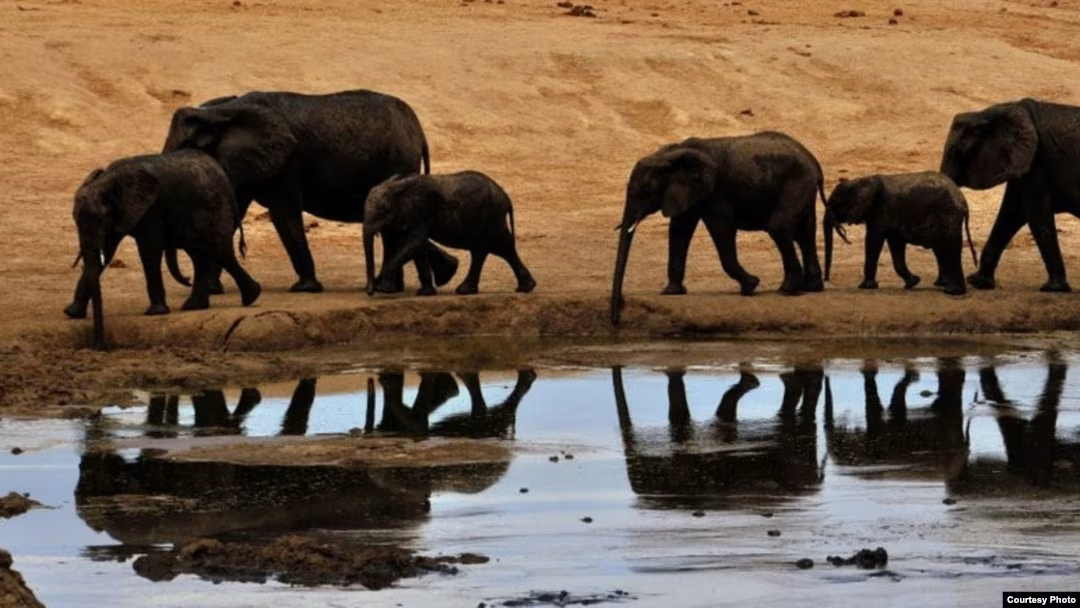
Kenya Wildlife Service: KWS Probe into Elephant Deaths in Amboseli-Kimana Landscape
Summary
- KWS launched an investigation into the deaths of 16 elephants in the Amboseli-Kimana landscape, with preliminary findings suggesting cyanide poisoning as the likely cause.
- A multi-agency team is examining whether pesticides or other agricultural chemicals may have been improperly used, stored, or disposed of in the area.
- The investigation highlights potential compliance exposures related to pesticide use, storage, or disposal in the Amboseli ecosystem.
What Happened
Preliminary laboratory analysis conducted by the University of Nairobi has identified cyanide poisoning as the probable cause of death in the cases examined.
In August, the Kenya Wildlife Service (KWS) launched an investigation into the deaths of 16 elephants in the Amboseli-Kimana landscape. Preliminary findings suggest cyanide poisoning as the likely cause of death. The elephant deaths were recorded between June 24 and July 31, 2026, with most of the deceased being adult females and calves that exhibited signs of weakness and partial paralysis before dying.
The investigation involves a multi-agency team led by the Pest Control Products Board (PCPB), which is examining whether pesticides or other agricultural chemicals may have been improperly used, stored, or disposed of in the area. The team is also assessing potential environmental contaminants, including water and soil contamination, as well as the presence of giant star grass, a plant species known to produce cyanogenic compounds under certain conditions.
KWS has enlisted the help of the Government Chemist and the University of Nairobi to conduct laboratory analyses, including toxicological and microbiological tests. The agency is working to determine how the elephants were exposed to the toxic substance and identify its source.
Legal Context
The investigation highlights potential compliance exposures related to pesticide use, storage, or disposal in the area. Lawyers advising clients with interests in the Amboseli ecosystem should monitor the KWS investigation and be aware of these risks.
Kenya's laws and regulations governing pesticide use and management are likely relevant to this case. The Pest Control Products Board (PCPB) is responsible for regulating pesticides, including ensuring proper storage and disposal practices.
The investigation also raises questions about the responsibility of landowners or users in the Amboseli-Kimana landscape. If it is found that pesticides or other agricultural chemicals were improperly used, stored, or disposed of, those responsible may face liability under Kenyan law.
Why It Matters
The death of 16 elephants in the Amboseli-Kimana landscape is a significant concern for wildlife conservation efforts in Kenya. The area is one of Africa's most important elephant conservation landscapes, supporting hundreds of elephants that migrate between Kenya and Tanzania.
The investigation highlights the need for effective management and regulation of pesticide use and disposal practices in the region. It also underscores the importance of collaboration among government agencies, conservation partners, and local communities to prevent further losses and protect wildlife habitats.
The outcome of this investigation will have implications not only for the Amboseli ecosystem but also for the broader conservation efforts in Kenya.
Practical Implications
Lawyers advising clients with interests in the Amboseli ecosystem should monitor the KWS investigation and be aware of potential compliance exposures related to pesticide use, storage, or disposal in the area.
Source
Source: Original reporting via KWS
How does this affect your business?
Get an AI analysis of this article grounded in your jurisdictions, practice areas, and any policy documents you've uploaded to Wansom.
Wansom is AI and can make mistakes.