
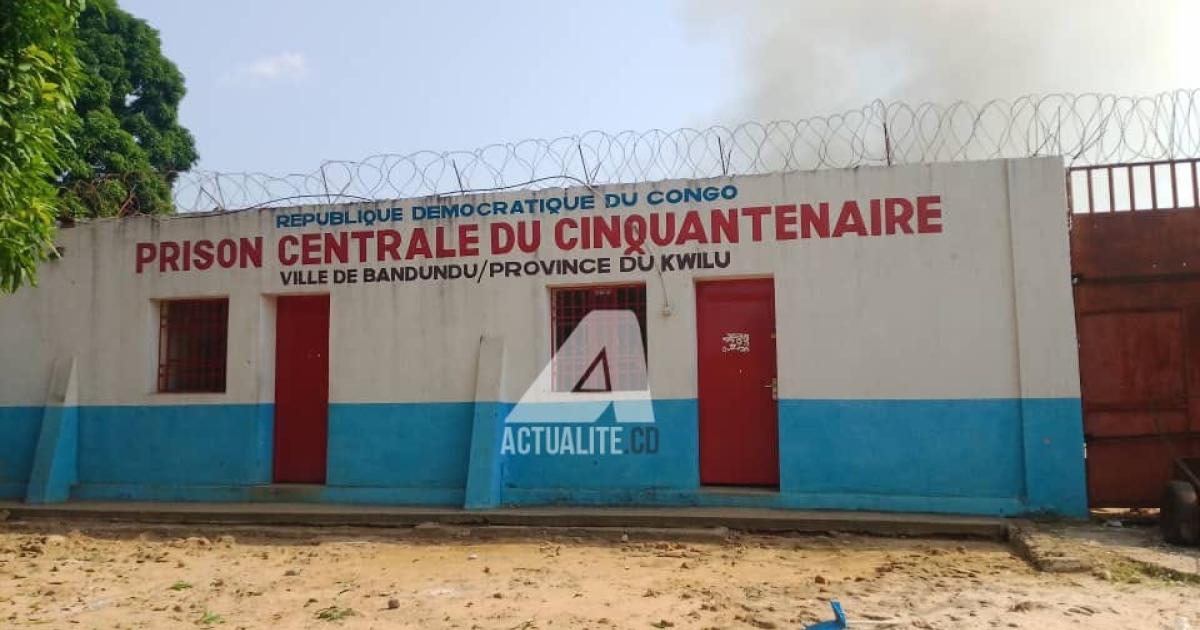
Kwilu Government Aids Bandundu Prison: Emergency Support for Detainees
Summary
- The Kwilu provincial government has provided emergency aid to detainees at Bandundu's Cinquantenaire prison.
- This intervention was necessary due to severe food stock shortages and a lack of subsidies for several months.
- The prison facility itself is in a state of dilapidation, exacerbating the poor conditions for inmates.
- The situation highlights significant concerns regarding detainee welfare and governmental accountability in the Democratic Republic of Congo.
Urgent Intervention in Bandundu
The documented poor conditions and lack of basic provisions for detainees could potentially form the basis for human rights litigation, challenging the state's adherence to national and international standards for prisoner treatment.
The Kwilu provincial government has initiated an emergency support operation for detainees housed at the Cinquantenaire prison in Bandundu. This intervention comes in response to critical shortages and deteriorating conditions that have plagued the facility for an extended period. The aid package aims to alleviate the immediate suffering of inmates who have been without essential provisions for several months.
Reports indicate a severe breakdown in the supply of food stocks, directly impacting the welfare of those incarcerated. This dire situation is exacerbated by the general state of dilapidation observed within the Cinquantenaire prison, highlighting systemic issues in its maintenance and operation. The provincial government's move underscores the urgent need for external assistance to prevent a humanitarian crisis within the correctional facility.
The decision to provide aid follows a period where the prison had been deprived of necessary subsidies, leading directly to the current food crisis. This lack of consistent funding has left detainees vulnerable, prompting the Kwilu provincial government to step in and address the immediate needs of the incarcerated population in Bandundu.
Broader Context of DRC Detainee Welfare
The critical situation at Bandundu's Cinquantenaire prison, necessitating intervention from the Kwilu provincial government, reflects a broader challenge concerning detainee welfare across the Democratic Republic of Congo. The documented poor conditions and lack of basic provisions for detainees are not isolated incidents but often point to systemic underfunding and neglect within the nation's correctional system. Such circumstances raise significant concerns regarding human rights and the state's obligation to provide humane treatment for all individuals in its custody.
The deprivation of essential subsidies for several months, which directly led to the food stock rupture at Cinquantenaire prison, highlights a failure in consistent governmental support for these institutions. This pattern of neglect can have severe consequences for the health and well-being of inmates, potentially leading to malnutrition, disease, and a general decline in living standards. The Kwilu provincial government's support, while crucial, serves as a temporary measure rather than a long-term solution to the underlying structural problems.
Ensuring adequate conditions in facilities like Bandundu's Cinquantenaire prison is a fundamental aspect of upholding justice and human dignity. The ongoing dilapidation of the infrastructure further compounds the challenges, creating an environment that is not only unsafe but also detrimental to rehabilitation efforts. The current situation underscores the pressing need for sustained Congo prison aid and robust oversight to guarantee the fundamental rights of detainees throughout the region.
Legal and Accountability Implications
The emergency intervention by the Kwilu provincial government at Bandundu's Cinquantenaire prison, prompted by severe food shortages and the general dilapidation of the facility, carries significant legal and accountability implications. The documented poor conditions and lack of basic provisions for detainees could potentially form the basis for human rights litigation, challenging the state's adherence to national and international standards for prisoner treatment. Lawyers observing this situation should note the clear evidence of governmental failure to provide for those in its care.
Such circumstances often present compelling grounds for advocacy aimed at improving prison conditions and ensuring greater government accountability. Pro bono legal work related to detainee rights could play a vital role in addressing these systemic issues, pushing for reforms that guarantee consistent funding, adequate food supplies, and proper maintenance of correctional facilities. The Kwilu government aid to Bandundu prison, while a welcome relief, also serves as an admission of the severe deficiencies that existed.
The ongoing deprivation of subsidies and the resulting food crisis at Cinquantenaire prison underscore a critical need for transparent financial management and a commitment to detainee welfare. This situation demands a thorough examination of how such conditions were allowed to persist for months, leading to a rupture in essential services. Ultimately, the responsibility for ensuring the humane treatment and basic sustenance of all individuals within the justice system rests firmly with the authorities, including the Kwilu provincial government.
Practical Implications
Lawyers should note the documented poor conditions and lack of basic provisions for detainees in Bandundu's Cinquantenaire prison, as evidenced by the provincial government's emergency intervention. This situation may present grounds for human rights litigation, advocacy for improved prison conditions, or pro bono work related to detainee rights and government accountability in the DRC.
Source
How does this affect you?
Get an AI analysis of this article grounded in your jurisdictions, practice areas, and any policy documents you've uploaded to Wansom.
Finish Reading the Full Story and the Expert Analysis.
Get the latest legal & regulatory intelligence in DR Congo
Wansom is AI and can make mistakes.