
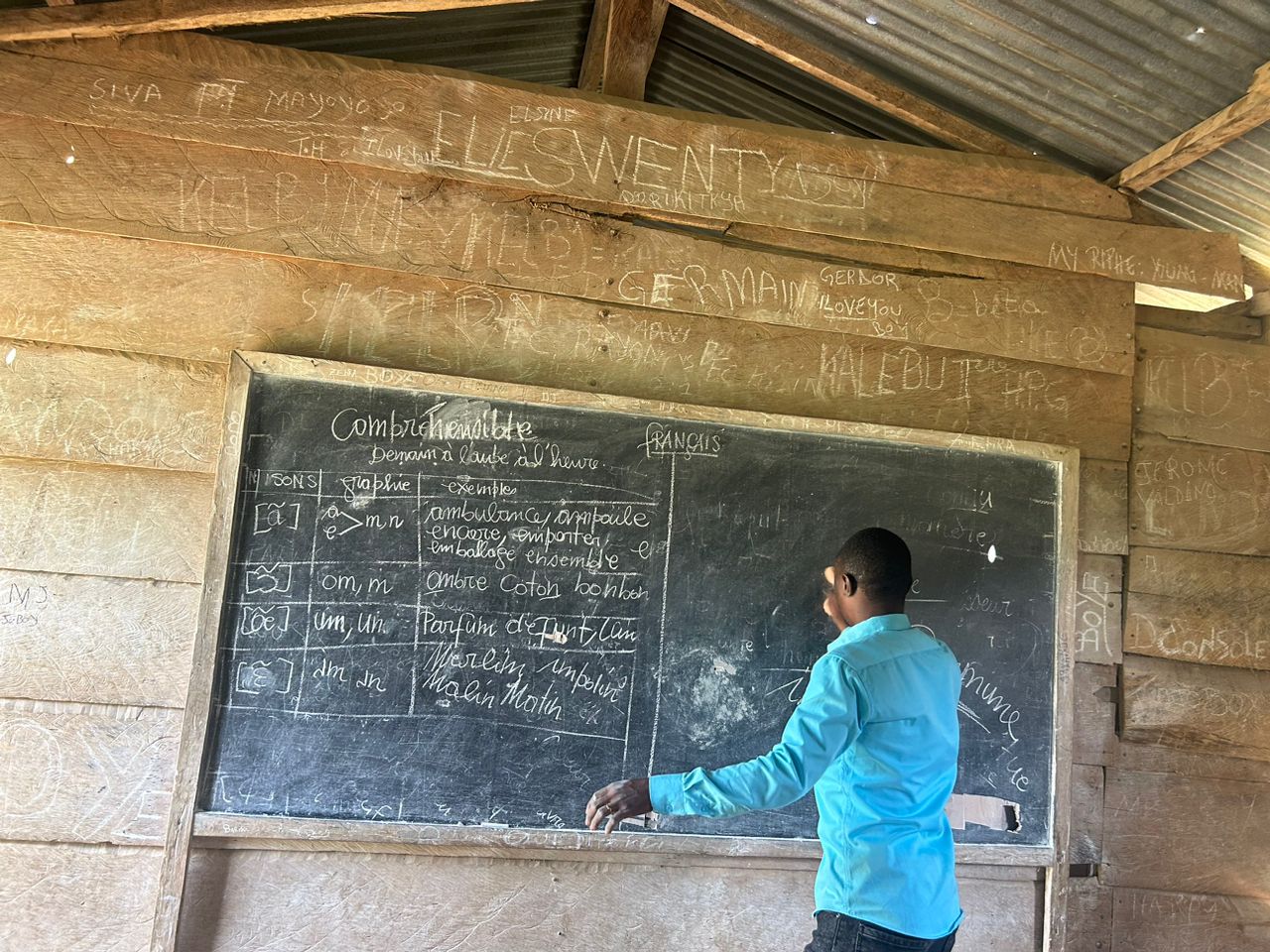
Kwango Teachers Strike Over Unpaid Wages, Demand New Pay Agent
Teachers in the Popokabaka territory of Kwango province, Democratic Republic of Congo, initiated an indefinite "grève sèche" (dry strike) on Wednesday, September 23, 2026, demanding two months of outstanding salaries and a change in their paying agent.
This escalation follows a prior 20-day work stoppage where teachers suspended classes but continued to report to work. Despite authorities recently clearing two months of salary arrears, the teachers, united in a general assembly, decided to close schools entirely. Their demands specifically include the payment of salaries for June and September 2026, a protest against recurrent delays of two to three months in remuneration, and a crucial request for payment to be based on official listings ("listing") rather than summary sheets ("lisses"). This industrial action has left students in the affected establishments without classes, and the strike continues pending a response from the authorities.
This situation carries significant legal implications for public sector employment and governance in the DRC. The right to strike and collective bargaining are fundamental labor rights enshrined in the Congolese Constitution (e.g., Article 37) and further detailed in the Labour Code (Loi n° 015/2002 du 16 octobre 2002 portant Code du Travail). The recurrent delays in salary payments constitute a breach of contractual obligations by the state as an employer, potentially giving rise to legal claims. The demand for payment based on official listings rather than summary sheets points to deeper issues of transparency, accountability, and potential financial mismanagement or corruption within the public payroll system, which could trigger investigations under public finance laws and anti-corruption statutes. The key parties involved are the striking teachers, the Congolese state (represented by the Ministry of Education and relevant financial authorities), and indirectly, the students and their families.
Practitioners advising public sector unions, employee groups, or even government entities in the DRC should closely monitor this dispute. It underscores the critical importance of adhering to labor laws regarding timely remuneration and ensuring transparency in public finance management. For government legal advisors, this case highlights the urgent need to address systemic issues causing salary delays and to implement robust, auditable payroll systems to prevent future industrial actions and potential legal challenges. Businesses operating in regions affected by such strikes should anticipate disruptions to local services and economic activity, and consider the broader implications for social stability and governance. The outcome of this specific strike, which is not yet reported, could set precedents for how similar public sector labor disputes are managed in the future, particularly concerning issues of payroll integrity and accountability.
How does this affect you?
Get an AI analysis of this article grounded in your jurisdictions, practice areas, and any policy documents you've uploaded to Wansom.
Finish Reading the Full Story and the Expert Analysis.
Get the latest legal & regulatory intelligence in DR Congo
Wansom is AI and can make mistakes.