
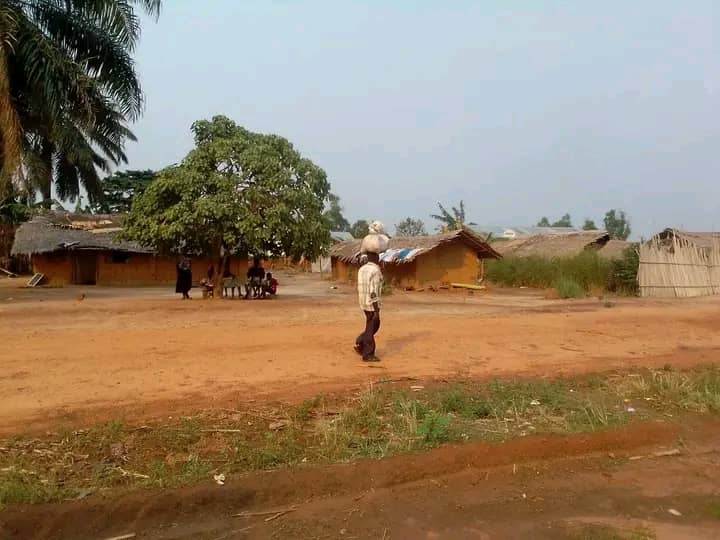
Kwamouth, DRC: Militias Install New Customary Chiefs, Sparking Legitimacy Crisis
Summary
- New customary chiefs were installed in several Kwamouth villages this week by groups resistant to disarmament.
- These installations occurred while recognized customary chiefs remain displaced due to ongoing violence, some residing in Mongata.
- Legitimate authorities, including Chief Stany Liie, denounce these appointments as an illegitimate takeover linked to the Mobondo phenomenon.
- Stany Liie calls for effective security force deployment to restore state authority and facilitate the return of displaced populations and recognized chiefs.
- The situation highlights a significant challenge to legal certainty and the rule of law in Kwamouth, impacting land tenure and local agreements.
Emerging Leadership Crisis in Kwamouth
For legal practitioners advising clients with interests in Kwamouth, this situation demands careful consideration of the contested legitimacy of local customary authorities.
In a significant development early this week, new customary chiefs were reportedly installed across several villages within the Kwamouth territory, situated in the Maï-Ndombe province. These installations were carried out by individuals identified as resistant to ongoing disarmament and demobilization efforts. This action unfolds against a backdrop where numerous recognized customary chiefs have been compelled to abandon their jurisdictions due to persistent violence in the region. The legitimacy of these newly appointed leaders is already being challenged, signaling a deepening crisis in local governance.
The villages of Mbutie and Kimomo, among others, have seen these new appointments, which established customary authorities denounce as an illegitimate takeover. These recognized leaders assert that the installations represent an opportunistic seizure of control in their absence. This situation, according to customary chief Stany Liie, who has been displaced from his jurisdiction for over four years, underscores the continued operational presence of groups associated with the Mobondo phenomenon within Kwamouth territory. He explicitly condemns the occupation of these villages and the forceful removal of established customary authorities.
Erosion of Traditional Authority and Displacement
The ongoing violence has forced a significant number of legitimate customary chiefs to relocate, with some now residing in peripheral agglomerations such as Mongata. Their displacement has created a vacuum, which the groups resistant to disarmament have seemingly exploited to install their own representatives. This systematic displacement and subsequent installation of new chiefs by armed elements highlight a deliberate strategy to undermine the existing traditional leadership structures in the Maï-Ndombe region. The **Mobondo phenomenon Kwamouth** continues to exert a destabilizing influence, directly impacting the fabric of local governance.
Stany Liie, a prominent customary chief, emphasizes that the current state of affairs is a direct consequence of the persistent activities of these armed groups. His own four-year absence from his traditional seat illustrates the long-term impact of the conflict on the **DRC customary authority dispute**. The installation of these new chiefs is not merely a change in local administration but, as legitimate authorities argue, an outright occupation of their ancestral lands and a direct challenge to their recognized roles. This dynamic creates a complex and contested landscape for any external engagement or legal interpretation.
Calls for State Intervention and Regional Stability
In response to this escalating crisis, customary chief Stany Liie has issued an urgent appeal for robust state intervention. He advocates for the effective deployment of security forces to the affected areas, emphasizing the critical need to re-establish state authority and ensure the rule of law. Liie's call extends beyond immediate security measures; he also stresses the necessity of creating conducive conditions for the safe return of displaced populations. This includes facilitating the reinstallation of all recognized customary chiefs to their rightful jurisdictions.
The broader context reveals that several localities within Kwamouth remain severely impacted by the lingering effects of violence linked to the Mobondo phenomenon. The installation of these new chiefs by disarmament-resistant groups further complicates efforts towards peace and stability, as it entrenches an alternative, unrecognized power structure. Without a decisive response, the region risks prolonged instability and a continued challenge to legitimate governance.
Implications for Legal Certainty and Regional Engagement
The installation of new customary chiefs by groups resistant to disarmament in Kwamouth presents profound challenges to legal certainty and the rule of law in the region. For legal practitioners advising clients with interests in Kwamouth, this situation demands careful consideration of the contested legitimacy of local customary authorities. The presence of parallel leadership structures, one recognized by the state and the other imposed by armed groups, creates significant ambiguity regarding who holds legitimate power to make decisions affecting land tenure, local agreements, and resource management.
This **Maï-Ndombe traditional leadership** dispute directly impacts the enforceability of contracts or property rights, as agreements made with unrecognized authorities could be challenged. The ongoing activities of **disarmament resistant groups Congo** in establishing their own governance structures highlight a fundamental breakdown of state authority in these areas. The situation underscores a significant challenge to the legal framework, where the very foundation of local governance is under dispute, making any legal or commercial engagement fraught with risk and uncertainty.
Practical Implications
Lawyers advising clients with interests in Kwamouth should be aware of the contested legitimacy of local customary authorities, which could impact land tenure, local agreements, and overall legal certainty in the region. This situation highlights a significant challenge to the rule of law and the enforceability of contracts or property rights in areas under militia influence.
Source
How does this affect you?
Get an AI analysis of this article grounded in your jurisdictions, practice areas, and any policy documents you've uploaded to Wansom.
Finish Reading the Full Story and the Expert Analysis.
Get the latest legal & regulatory intelligence in DR Congo
Wansom is AI and can make mistakes.