
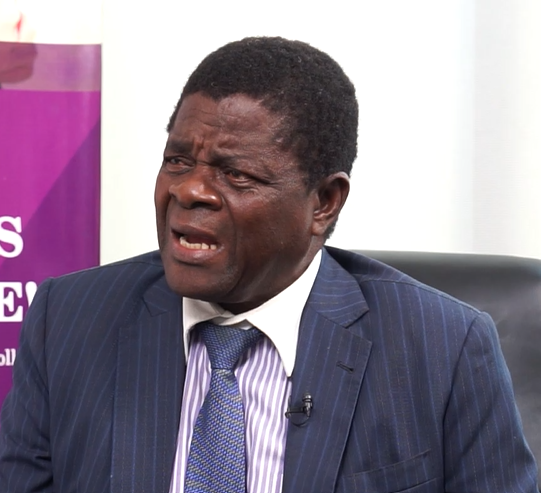
Kwaku Ansa-Asare: Ghana Presidential Age 40 Must Remain
Summary
- Kwaku Ansa-Asare questioned the push to reduce Ghana's presidential eligibility age from 40 to 30 years.
- The Constitutional Review Committee recommended lowering the age to 30, while the government proposed 35 years.
- Ansa-Asare argued there is no pressing need to alter the existing 40-year constitutional threshold.
- The Constitutional Review Committee also proposed extending presidential and parliamentary terms from four to five years, which the government has accepted.
- Ansa-Asare warned against repeated constitutional amendments that do not address more fundamental national concerns.
Debate Over Ghana Presidential Age Threshold
He cautioned against what he described as a recurring tendency by political parties to manipulate the Constitution, advocating instead for the existing constitutional framework to be allowed to function without undue interference.
Kwaku Ansa-Asare, a distinguished legal scholar who previously served as Director of the Ghana School of Law and is the founder of MountCrest University College, has voiced strong reservations regarding recent proposals to reduce the minimum age for presidential candidates in Ghana. The current constitutional requirement mandates candidates to be at least 40 years old, a threshold that Ansa-Asare argues has served the nation effectively for many years and should not be hastily altered. He specifically questioned the urgency behind efforts to lower this eligibility age to 30.
While acknowledging the importance of encouraging younger Ghanaians to actively participate in the political landscape, Ansa-Asare emphasized that modifying the presidential eligibility age should not be considered the primary or most effective method for achieving greater youth involvement. He cautioned against what he described as a recurring tendency by political parties to manipulate the Constitution, advocating instead for the existing constitutional framework to be allowed to function without undue interference. These remarks were made during an interview on Citi FM’s Eyewitness News on September 17.
Proposed Constitutional Reforms
The discussion surrounding the Ghana presidential eligibility age stems from recommendations put forth by the Constitutional Review Committee. This committee proposed a significant reduction in the minimum age for presidential candidates, moving it from the current 40 years down to 30 years. In response, the government has indicated its acceptance of the principle of an age reduction but has suggested a slightly higher threshold of 35 years.
Beyond the presidential age, the Constitutional Review Committee's broader constitutional reform proposals encompass other substantial changes to Ghana's governance structure. Notably, these include extending the terms for both presidential and parliamentary offices from the current four years to five years. The government has already signaled its approval for this proposed five-year term extension, indicating a willingness to consider significant adjustments to the country's electoral framework. Ansa-Asare, however, urged a measured approach to these reforms, cautioning against amendments that do not address more fundamental national concerns.
Why Constitutional Stability Matters
The ongoing Ansa-Asare presidential age debate highlights a critical tension between constitutional flexibility and stability. Ansa-Asare's stance is not an opposition to youth participation in Ghana’s political process; rather, it is a call for prudence and a deep respect for established legal frameworks. He firmly believes that the existing 40-year eligibility age has proven its efficacy over time, questioning the rationale behind a sudden push for change when, in his view, more pressing national issues might warrant attention.
His warning against repeated attempts by political actors to 'tinker' with the Constitution underscores a concern for the long-term integrity and predictability of Ghana's governance. The proposed Ghana presidential term extension, alongside the age reduction, represents significant potential shifts in the country's political landscape. Lawyers and compliance officers in Ghana should closely monitor these discussions, as they signal potential significant changes to the country's electoral and governance framework, which could impact future legal interpretations and political stability.
Practical Implications
Lawyers and compliance officers in Ghana should monitor the ongoing debate surrounding proposed constitutional amendments, particularly those affecting presidential eligibility and term limits. These discussions signal potential significant changes to the country's electoral and governance framework, which could impact future legal interpretations and political stability.
Source
How does this affect you?
Get an AI analysis of this article grounded in your jurisdictions, practice areas, and any policy documents you've uploaded to Wansom.
Finish Reading the Full Story and the Expert Analysis.
Get the latest legal & regulatory intelligence in Ghana
Wansom is AI and can make mistakes.