
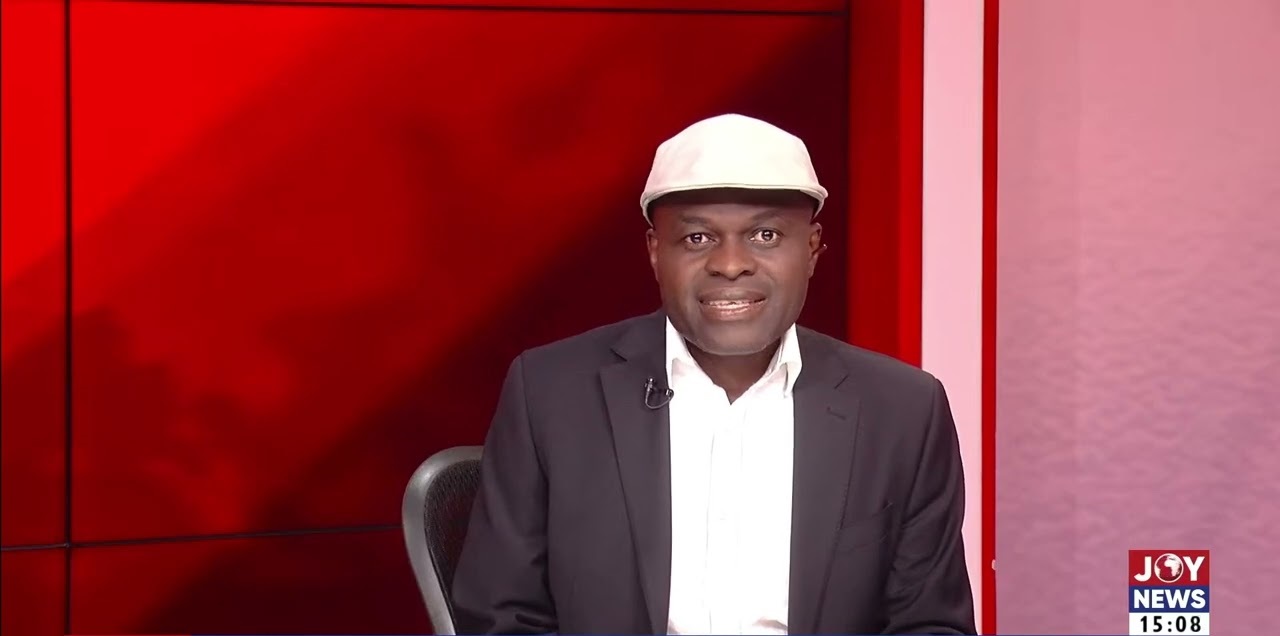
Martin Kpebu: Ghana Constitutional Review Needs NPP Engagement
Summary
- Legal practitioner Martin Kpebu criticized the Ghanaian government for not adequately involving the New Patriotic Party (NPP) in the constitutional reform process, which has moved to an implementation phase.
- Kpebu stated that the NPP's initial concerns about engagement led to a perceived lack of involvement, though the NPP has since actively submitted inputs to the Constitutional Review Committee.
- He emphasized that constitutional amendments requiring a referendum need 40% voter turnout and 75% approval, making broad political consensus, especially from the NPP, crucial.
- Kpebu also criticized the President's premature public comments on potential changes, such as extending the presidential term, for undermining consensus-building.
- He agreed with the spirit of the NPP's proposal for a consultative assembly but was still considering the necessity of a new constituent assembly.
The Core Assertion
He openly questioned the government's strategy, expressing bewilderment at how officials could have contemplated navigating such a sensitive and high-stakes process without ensuring the NPP was positioned "front and center" of all discussions and decision-making.
Private legal practitioner Martin Kpebu has voiced strong criticism regarding the Ghanaian government's handling of the ongoing constitutional reform process, which has transitioned from the review phase to the implementation phase, specifically citing a significant lack of engagement with the New Patriotic Party (NPP).
Speaking on JoyNews' The Pulse on Thursday, September 17, Kpebu contended that the government's failure to adequately involve the nation's primary opposition party initially precipitated the NPP's concerns regarding engagement in the constitutional review process. However, recent reports indicate that the NPP has since actively engaged, submitting inputs to the Constitutional Review Committee. This lack of inclusion, he argued, represents a fundamental misstep in a process requiring broad national consensus.
Kpebu underscored the NPP's undeniable political weight, pointing to their substantial electoral backing. Even in what he described as their "worst performance" during the last general election, the party still garnered nearly 42% of the vote. This significant support base, Kpebu asserted, makes the NPP's active participation not merely desirable but absolutely essential for any constitutional reform effort to achieve legitimacy and widespread acceptance across the country. He suggested that the government appeared to have misjudged the critical role the NPP plays in mobilizing public opinion and securing the necessary buy-in for such profound national undertakings.
Legal and Political Context
The necessity of involving the NPP from the earliest stages of the constitutional review was, according to Kpebu, inherently clear, particularly when considering Ghana's constitutional framework for amending certain provisions. He meticulously outlined the stringent requirements for constitutional changes that mandate approval through a national referendum. Such referendums stipulate that a minimum of 40% of all eligible voters must participate, and crucially, a supermajority of 75% of those who cast their ballots must vote in favor of the proposed amendments for them to be enacted.
This constitutional prerequisite for securing broad public support, Kpebu argued, elevates the active and respectful involvement of major political entities like the NPP from a mere courtesy to an indispensable strategic imperative. He did not mince words, stating his firm belief that the government had failed to accord the NPP the respect it deserved. Kpebu openly questioned the government's strategy, expressing bewilderment at how officials could have contemplated navigating such a sensitive and high-stakes process without ensuring the NPP was positioned "front and center" of all discussions and decision-making.
Challenges to Consensus
Further exacerbating the complexities of the constitutional review landscape, Kpebu highlighted the President's public pronouncements regarding potential constitutional alterations, notably including a proposed extension of the presidential term to five years. These statements, made prematurely and without the benefit of comprehensive prior consultation, were sharply criticized by Kpebu, who labeled them an "own goal." He argued that such declarations, issued before adequate engagement with opposition parties and other stakeholders, actively undermined the delicate and painstaking process of consensus-building that is fundamental to successful constitutional reform.
Kpebu emphasized that these pronouncements, delivered without sufficiently consulting the opposition, failed to demonstrate the collaborative spirit and inclusive approach absolutely vital for a constitutional review process to gain national legitimacy. While acknowledging the underlying principle behind the NPP's suggestion for a consultative assembly, Kpebu noted his ongoing evaluation of whether establishing an entirely new constituent assembly was indeed the most appropriate course of action. Ultimately, Kpebu's observations underscore the profound challenges inherent in forging broad political consensus for significant constitutional changes in Ghana, particularly when key political actors feel marginalized or disrespected.
Practical Implications
Lawyers and compliance officers advising on constitutional matters or political strategy in Ghana should note the critical importance of broad political consensus and cross-party involvement for successful constitutional amendments, especially those requiring a referendum. This article underscores the practical difficulties and political sensitivities that can derail reform efforts if key stakeholders like the NPP are not adequately engaged, impacting the feasibility and strategic approach to future constitutional changes.
Source
How does this affect you?
Get an AI analysis of this article grounded in your jurisdictions, practice areas, and any policy documents you've uploaded to Wansom.
Finish Reading the Full Story and the Expert Analysis.
Get the latest legal & regulatory intelligence in Ghana
Wansom is AI and can make mistakes.