
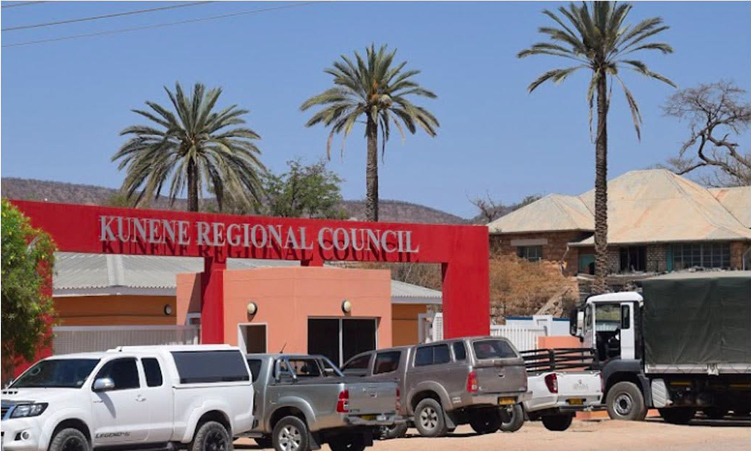
Kunene Regional Council: Namibia Budget Blocked, Operations Halted
Summary
- The Kunene Regional Council's 2026/27 budget has been frozen since March, preventing payment for basic utilities.
- All operational and capital projects of the council have been brought to a complete standstill due to the budget freeze.
- The only financial arrangement made so far is for staff salaries, requiring two finance officials to travel 733km to release funds.
- The prolonged budget blockage severely impacts the council's ability to deliver services and advance regional development.
- This situation highlights potential broader Namibia regional council funding issues and administrative challenges.
Kunene Regional Council Faces Budget Freeze
The prolonged budget blockage has brought the council's operations to a near halt, preventing it from covering essential expenditures such as basic utilities.
The Kunene Regional Council in Namibia is currently grappling with a severe financial crisis, as its 2026/27 budget has been frozen since March. This prolonged budget blockage has brought the council's operations to a near halt, preventing it from covering essential expenditures such as basic utilities. The inability to access allocated funds means that both crucial operational activities and planned capital projects across the region have been brought to a complete standstill, significantly impeding the council's ability to fulfill its mandate.
This dire financial situation has forced the council to implement extraordinary measures to maintain even the most fundamental obligations. The only financial arrangement that has been successfully made amidst the freeze is for the disbursement of staff salaries. To facilitate this, two finance officials from the council were required to undertake a substantial journey, traveling 733 kilometers, simply to release the necessary funds for employee compensation. This logistical challenge underscores the profound administrative difficulties and the extent of the financial paralysis gripping the Kunene Regional Council.
Operational Paralysis and Regional Impact
The ongoing Kunene Regional Council budget freeze has created a state of operational paralysis, directly impacting the delivery of public services and the progress of development initiatives within the region. With the council unable to pay for basic utilities, the day-to-day functioning of its offices and potentially other public facilities is severely compromised. This financial impediment means essential services, from electricity and water for council buildings to potentially broader public infrastructure maintenance, cannot be funded, directly impacting the council's capacity to serve its constituents.
Furthermore, the complete halt of both operational and capital projects signifies a significant setback for the Kunene region's development agenda. These projects, which often include critical infrastructure upgrades, community development programs, and service expansion initiatives, are now indefinitely suspended. This not only delays much-needed improvements but also creates uncertainty for contractors, suppliers, and residents who rely on these projects for employment and improved living conditions, highlighting the severe consequences of the Kunene Council operational projects halted.
Broader Context of Funding Challenges
While the specific reasons behind the Kunene Regional Council budget blocked Namibia remain undisclosed in the immediate reporting, such a prolonged budget freeze points to potential systemic issues within Namibia's local government financial framework. The inability of a regional council to access its approved budget for an extended period, particularly for basic operational needs, raises concerns about the stability and resilience of regional council funding mechanisms across the nation. This incident could be indicative of broader Namibia regional council funding issues that impact the autonomy and effectiveness of local governance.
The extraordinary measure of finance officials traveling hundreds of kilometers to secure salary payments further illustrates the severity of the situation and the potential for a wider Namibia local government financial crisis. Such administrative burdens not only divert resources but also erode public trust in the efficiency and reliability of local government operations. The incident in Kunene serves as a stark reminder of the critical importance of predictable and accessible funding for regional councils to ensure continuous service delivery and regional development.
Why This Matters for Governance and Development
The continued Kunene Regional Council budget freeze carries significant implications beyond the immediate financial distress. For the residents of the Kunene region, it translates into a potential decline in public services, stalled development, and a general sense of uncertainty regarding the future. The inability of the council to execute its mandate effectively due to a lack of funds undermines the very purpose of local governance, which is to address the specific needs and foster the development of its constituency.
This situation also sets a concerning precedent for other regional councils in Namibia, highlighting vulnerabilities in financial oversight and disbursement processes. The long-term impact could include a loss of investor confidence in regional projects, a brain drain of skilled personnel from the council, and a general slowdown in economic activity within the Kunene region. Ensuring the timely release of approved budgets is fundamental to maintaining the operational integrity and developmental capacity of all regional councils across Namibia.
Practical Implications
Lawyers representing clients with contracts or projects involving the Kunene Regional Council should assess potential payment delays, contract breaches, and project stoppages. Compliance officers should note the operational risks and monitor the council's financial stability for any impact on regulatory obligations or service delivery in the region.
Source
How does this affect you?
Get an AI analysis of this article grounded in your jurisdictions, practice areas, and any policy documents you've uploaded to Wansom.
Wansom is AI and can make mistakes.