
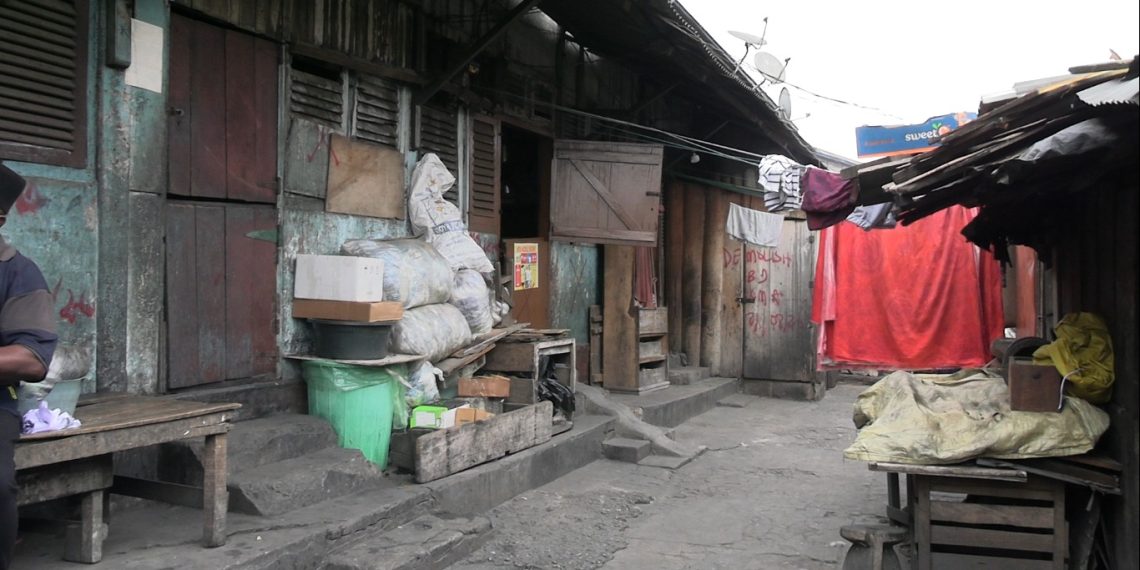
Kumasi KMA: Railway Workers Eviction Resistance Mounts Over Demolition
Summary
- Former and serving Ghana Railway Company Limited workers in Ashanti Region are resisting eviction attempts by the Kumasi Metropolitan Assembly (KMA).
- Structures have been marked for demolition, with occupants reportedly directed to vacate by December 31, 2026.
- The workers cite inadequate consultation and demand clear relocation arrangements before they will consider leaving.
- Residents claim prior KMA assurances of notification were not honored before the demolition markings appeared.
- Occupants are prepared to move if railway operations resume and proper arrangements are made, but not without clarity on land status and their future.
The Eviction Standoff in Kumasi
The affected workers have firmly stated their intention to resist the eviction, primarily citing a profound lack of adequate consultation before the decision was made.
The Kumasi Metropolitan Assembly (KMA) is currently facing significant resistance from former and serving employees of the Ghana Railway Company Limited in the Ashanti Region. These individuals, who have continuously occupied an area as railway workers for several years, are steadfast in their vow to resist attempts by the KMA to evict them from their homes and properties. The core of this Kumasi KMA railway workers eviction resistance stems from the recent marking of numerous structures within the area for demolition, an action undertaken as part of a broader municipal exercise aimed at clearing the site. Occupants have reportedly been issued a firm directive to vacate their premises by a specific deadline of December 31, 2026. However, the affected workers have firmly stated their intention to resist this eviction, primarily citing a profound lack of adequate consultation before such a far-reaching decision was made by the authorities.
Unresolved Land Questions and Conditions for Departure
The workers' resistance is not an outright refusal to relocate, but rather a demand for clarity, proper procedure, and respect for their established property rights Ghana KMA. They have explicitly stated their willingness to vacate the area if two key conditions are met: firstly, the actual resumption of railway operations on the land, and secondly, the provision of a clear and acceptable arrangement for their relocation. Crucially, they have no intention of leaving immediately without a definitive understanding of the land's current status and a clear plan for their future.
Collins Mensah, a former Principal Supply Officer at the Ghana Railway Company Limited, underscored this position, asserting that occupants would remain on site until a proper arrangement is established. Mr. Mensah also referenced a recent television report indicating that the government has not authorized the sale of railway land to any private entity, adding to the uncertainty. He further clarified that their stance is not one of inherent unwillingness to move, emphasizing that if the railway company genuinely requires the land for its operational needs and new workers are employed, they would be prepared to relocate. Adding another layer to the complex Ghana Railway Company Limited eviction dispute, some residents claim they were previously informed that the railway land had been sold to a private developer for redevelopment purposes, raising questions about the ultimate beneficiary of the clearance exercise.
Breached Assurances and Community Dissatisfaction
The current standoff highlights significant concerns regarding due process and the critical importance of KMA demolition consultation Ghana. Resident Kofi Anwona recounted that the KMA had initially instructed occupants to report to the Assembly, providing assurances that they would be kept fully informed of any developments and provided with sufficient notice before any directive to leave. However, the subsequent marking of their structures for demolition proceeded without the expected and promised consultation, leading to widespread dissatisfaction among the occupants regarding the entire process.
This perceived breach of administrative assurances and lack of engagement underscores the broader issues of property rights Ghana KMA faces in managing urban redevelopment. Such actions, or lack thereof, can easily escalate into legal challenges under Ghana administrative law eviction procedures, demonstrating the critical need for transparent and consultative approaches in public land management.
Practical Implications
This case highlights the importance of proper consultation and due process in land redevelopment and eviction exercises by public bodies in Ghana. Lawyers advising clients (either public entities or affected parties) on such matters should be aware of the potential for legal challenges and resistance if adequate engagement is not undertaken, potentially leading to injunctions or compensation claims.
Source
How does this affect you?
Get an AI analysis of this article grounded in your jurisdictions, practice areas, and any policy documents you've uploaded to Wansom.
Finish Reading the Full Story and the Expert Analysis.
Get the latest legal & regulatory intelligence in Ghana
Wansom is AI and can make mistakes.