
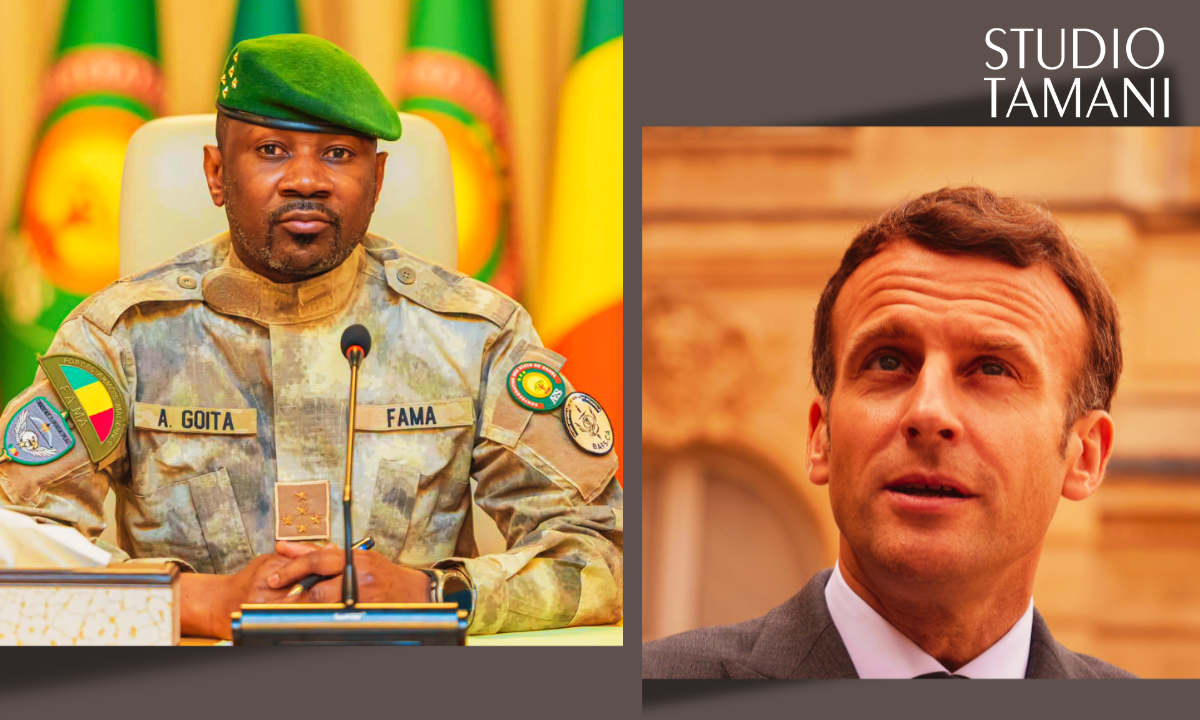
Mali: Yann Vézilier Grâce Présidentielle for French Agent
Summary
- Yann Vézilier, identified as a French intelligence agent, has received a presidential pardon from Mali.
- The pardon has generated varied reactions among the Malian public.
- Some Malians view the gesture as a potential step towards appeasement and renewed dialogue between Bamako and Paris.
- Others believe this decision alone is not enough to normalize the overall diplomatic relationship between the two nations.
What Happened
The granting of a presidential pardon to a figure associated with a foreign intelligence apparatus is inherently a move with substantial political and diplomatic weight, signaling a potential shift in approach from the Malian authorities.
The Malian government recently granted a presidential pardon to Yann Vézilier, an individual publicly identified as a French intelligence agent. This significant development marks a notable moment in the often-strained diplomatic landscape between Mali and France. The decision to pardon Vézilier, whose background links him directly to French intelligence services, has immediately drawn considerable attention and discussion within Mali.
This act of clemency from Bamako comes at a time when the relationship between the two nations has been characterized by periods of tension and distance. The granting of a presidential pardon to a figure associated with a foreign intelligence apparatus is inherently a move with substantial political and diplomatic weight, signaling a potential shift in approach from the Malian authorities. The specific circumstances leading to Vézilier's initial detention and subsequent pardon, while not detailed, underscore the complex nature of bilateral interactions.
Public Reaction in Mali
The announcement of Yann Vézilier's presidential pardon has elicited a spectrum of responses across the Malian public, reflecting the nuanced and often divided sentiments regarding the nation's foreign relations. Among some segments of the population, the pardon is perceived as a constructive and conciliatory gesture. These individuals view the act as a potential catalyst for fostering a much-needed period of appeasement, believing it could pave the way for a resumption of meaningful dialogue between the governments in Bamako and Paris.
However, this hopeful outlook is not universally shared. A significant portion of the Malian public holds a more cautious, if not skeptical, view regarding the pardon's ultimate impact. These observers contend that while the Mali presidential pardon for Yann Vézilier is a notable event, it is, by itself, insufficient to achieve a full normalization of the broader diplomatic relationship between Mali and France. Their skepticism often stems from a recognition that the underlying issues affecting Bamako-Paris rapprochement are multifaceted and run deeper than any single act of clemency, suggesting that more substantive changes or concessions would be required for a genuine and lasting improvement in Mali France diplomatic relations.
Diplomatic Implications
The presidential pardon extended to Yann Vézilier carries considerable weight for the future trajectory of diplomatic relations between Mali and France. For those who interpret the move as a positive signal, it represents a deliberate step by Bamako to extend an olive branch, potentially indicating a desire to mend fences and rebuild trust with Paris. Such a gesture, particularly involving an individual linked to intelligence services, could be seen as an attempt to de-escalate past grievances and create a more conducive environment for bilateral engagement. The prospect of renewed dialogue, as envisioned by some, could encompass discussions on various fronts, from security cooperation to economic partnerships, which have seen disruptions in recent years.
Conversely, the argument that this pardon alone is insufficient to normalize relations highlights the profound complexities inherent in the Mali-France relationship. Critics of the notion that the pardon signals an immediate Bamako Paris rapprochement often point to historical factors, ongoing political disagreements, and differing strategic priorities that have contributed to the current state of affairs. They suggest that while the release of Yann Vézilier might remove one specific point of contention, it does not automatically address the broader structural and political challenges that have strained diplomatic ties. Therefore, while the Yann Vézilier grâce présidentielle Mali is undeniably a significant event, its ultimate impact on the long-term health of Mali France diplomatic relations remains a subject of ongoing speculation and will likely depend on subsequent actions and policy shifts from both capitals.
Practical Implications
Lawyers should monitor the evolving diplomatic relations between Mali and France, as signaled by this presidential pardon, for potential impacts on cross-border business, investment, or legal cooperation that could affect clients operating in or between these jurisdictions.
Source
How does this affect you?
Get an AI analysis of this article grounded in your jurisdictions, practice areas, and any policy documents you've uploaded to Wansom.
Finish Reading the Full Story and the Expert Analysis.
Get the latest legal & regulatory intelligence in Mali
Wansom is AI and can make mistakes.