
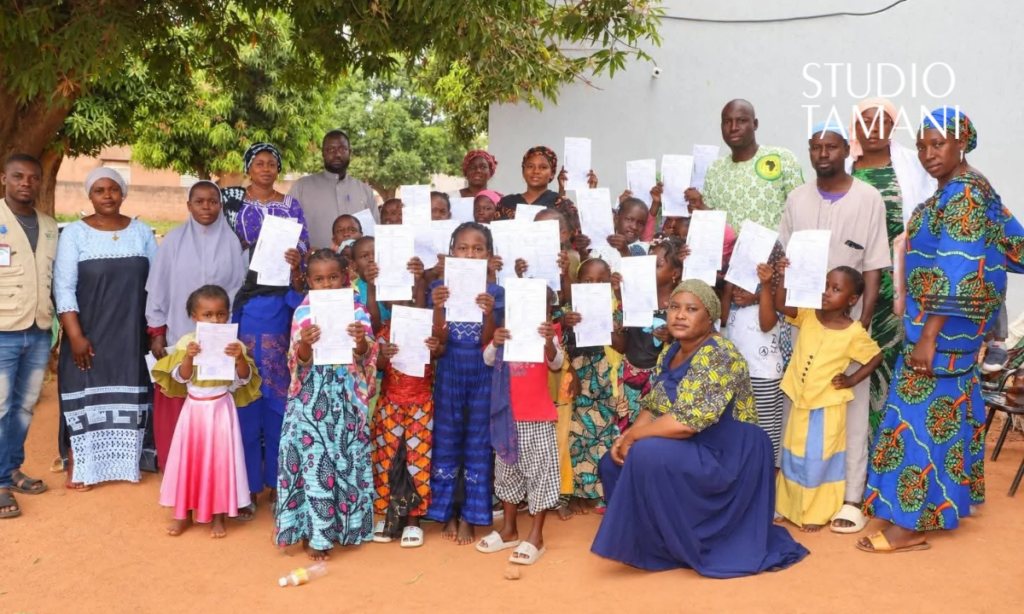
Koulikoro: 50 Displaced Children Secure Birth Certificates
Summary
- Fifty children from internally displaced families at the Souban site in Koulikoro have received birth certificates.
- The documents were obtained through the efforts of Action et Recherche sur les Opérations de Paix (AROP), in partnership with Musonet and KuluDanemark.
- The birth certificates were secured using the legal mechanism of `jugement supplétif`, which establishes a birth record judicially.
- These documents are crucial for the children to justify their identity and access fundamental rights and services.
- The initiative highlights a practical legal pathway for identity regularization for vulnerable displaced populations in Mali.
Vital Documentation for Displaced Children in Koulikoro
Lawyers advising NGOs or working with displaced populations in Mali should note the use of `jugement supplétif` as a mechanism for obtaining civil status documents like birth certificates for vulnerable groups, highlighting a practical legal pathway for identity regularization.
A significant step towards securing the future of vulnerable populations has been taken in Koulikoro, where fifty children from internally displaced families have successfully obtained their birth certificates. These crucial documents were distributed to children residing at the Souban site, providing them with official recognition of their identity, a fundamental right often lost amidst displacement.
This vital initiative was spearheaded by the organization Action et Recherche sur les Opérations de Paix (AROP), working in close collaboration with partners Musonet and KuluDanemark. The collective effort underscores the importance of humanitarian and legal assistance in addressing the complex challenges faced by displaced communities, particularly concerning the civil status of children.
The acquisition of these Koulikoro displaced children birth certificates marks a critical milestone, offering these young individuals a pathway to formal identity and access to essential services. Without such documentation, displaced children often face significant barriers to education, healthcare, and other fundamental rights, perpetuating a cycle of vulnerability.
The Legal Mechanism: Jugement Supplétif in Mali
The process for securing these essential documents for the displaced children involved a specific legal procedure known as `jugement supplétif`. This mechanism is particularly relevant in contexts where standard birth registration processes are disrupted or were never initiated, such as for many civil status displaced persons Mali.
A `jugement supplétif Mali` allows for the judicial establishment of a birth record when no original `Mali actes de naissance déplacés` exists, effectively providing a legal substitute for a standard birth certificate. This legal pathway is crucial for ensuring that individuals, especially children, can regularize their identity even in challenging circumstances, thereby preventing statelessness and ensuring their inclusion in official records.
Organizations like AROP play a pivotal role in facilitating this complex legal process, offering the necessary support and guidance to displaced families. Their efforts in AROP Mali birth registration initiatives demonstrate a practical application of legal frameworks to address humanitarian needs, ensuring that even the most vulnerable populations can secure their fundamental rights through established legal channels.
Why Civil Status Matters for Displaced Populations
The provision of birth certificates to these fifty children in Koulikoro is more than just an administrative act; it is a foundational step towards protecting their rights and ensuring their future well-being. A birth certificate is the primary document that establishes a child's legal identity, nationality, and age, which are prerequisites for accessing a wide range of social services and protections.
For displaced children, the absence of such documentation can lead to severe disadvantages, including increased risks of exploitation, trafficking, and early marriage, as well as exclusion from formal education and healthcare systems. The successful registration of these Koulikoro displaced children birth certificates therefore represents a significant victory in safeguarding their human rights and integrating them into society.
Lawyers advising NGOs or working with displaced populations in Mali should note the use of `jugement supplétif` as a mechanism for obtaining civil status documents like birth certificates for vulnerable groups, highlighting a practical legal pathway for identity regularization. This approach offers a replicable model for addressing similar challenges in other displaced communities, emphasizing the critical role of legal intervention in humanitarian aid.
Practical Implications
Lawyers advising NGOs or working with displaced populations in Mali should note the use of 'jugement supplétif' as a mechanism for obtaining civil status documents like birth certificates for vulnerable groups, highlighting a practical legal pathway for identity regularization.
Source
How does this affect you?
Get an AI analysis of this article grounded in your jurisdictions, practice areas, and any policy documents you've uploaded to Wansom.
Finish Reading the Full Story and the Expert Analysis.
Get the latest legal & regulatory intelligence in Mali
Wansom is AI and can make mistakes.