
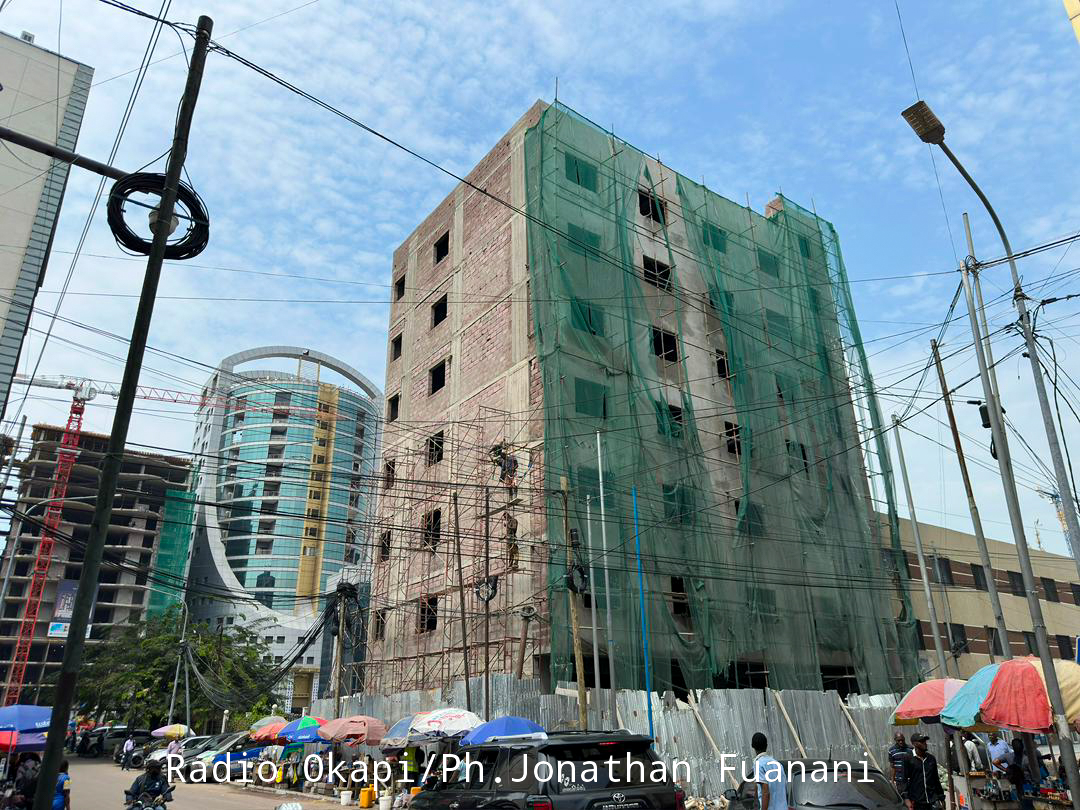
Kinshasa: Real Estate Expansion Raises Environmental Law Concerns
Environmental experts in Kinshasa, Democratic Republic of Congo, have observed that real estate expansion is progressively reducing green spaces and vegetation cover, potentially exacerbating environmental risks such as heatwaves and flooding.
According to the report by Radio Okapi, this unchecked urban development in Kinshasa is leading to a significant and continuous decline in the city's green infrastructure. The experts warn that this transformation of the urban landscape is not merely an aesthetic concern but has tangible, severe environmental consequences. Specifically, it is projected to intensify the effects of extreme heat, contributing to urban heat island effects, and critically, to worsen the risks and severity of flooding during the rainy seasons, posing direct threats to public safety and property.
This situation carries substantial legal significance for urban planning, environmental protection, and public health in the DRC. It highlights potential deficiencies in the enforcement of existing environmental laws, zoning regulations, and urban development policies. For practitioners, this implies a growing likelihood of litigation related to environmental damage, property loss due to flooding, and public health issues arising from increased heat and poor sanitation. Developers and construction companies face increased scrutiny regarding their adherence to environmental impact assessment (EIA) requirements and sustainable building practices. The legal context is primarily governed by the DRC's Environmental Protection Law (Loi n° 11/009 du 09 juillet 2011 portant principes fondamentaux relatifs à la protection de l'environnement), urban planning codes, and land use regulations, which typically mandate EIAs for significant projects and aim to preserve ecological balance. The key parties involved are the environmental experts who raised the alarm, real estate developers driving the expansion, the municipal authorities of Kinshasa responsible for oversight, and the city's residents who bear the brunt of these environmental changes.
Attorneys advising real estate developers must ensure rigorous compliance with all environmental protection laws, urban planning regulations, and building codes, emphasizing the necessity of comprehensive and transparent Environmental Impact Assessments. Legal professionals representing communities or individuals affected by these environmental degradation trends should prepare for potential administrative challenges against non-compliant developments or civil claims for damages. There is a clear and increasing demand for legal expertise in environmental law, urban planning, and administrative law to navigate these complex issues and advocate for sustainable development practices in Kinshasa.
How does this affect you?
Get an AI analysis of this article grounded in your jurisdictions, practice areas, and any policy documents you've uploaded to Wansom.
Finish Reading the Full Story and the Expert Analysis.
Get the latest legal & regulatory intelligence in DR Congo
Wansom is AI and can make mistakes.