
Kinshasa Real Estate Environmental Risks: Development Fuels Flood, Heat
Summary
- Real estate expansion in Kinshasa is progressively reducing the city's green spaces and vegetation cover.
- Environmental experts warn that this urban transformation could intensify the effects of high temperatures.
- The alteration of the urban landscape is also expected to exacerbate flood risks during rainy periods.
- Lawyers and compliance officers should anticipate increased scrutiny on environmental impact assessments for Kinshasa real estate projects.
Urban Transformation in Kinshasa
Compliance officers, therefore, must remain vigilant, actively monitoring for any new environmental regulations or enforcement actions that could affect urban development projects across the DRC, ensuring Congo real estate compliance remains a top priority amidst these evolving environmental challenges.
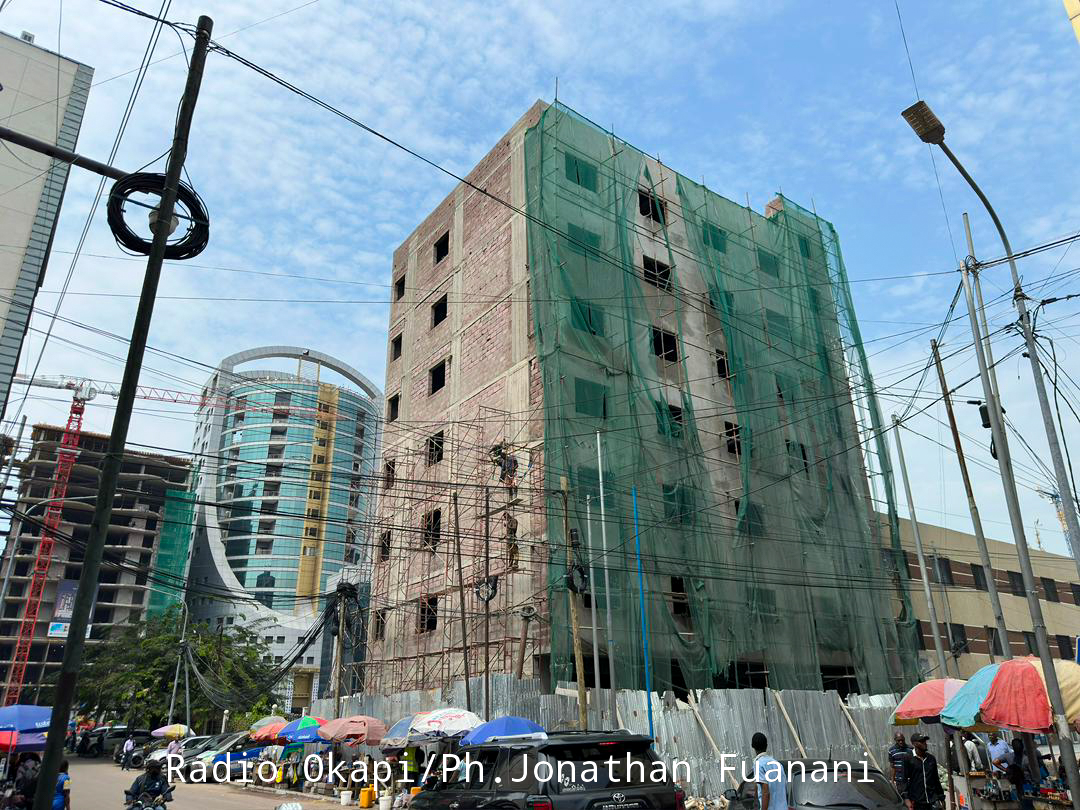
Kinshasa is currently undergoing significant urban transformation driven by extensive real estate expansion, a trend that environmental experts have highlighted as a primary cause for concern. This rapid development is directly linked to a progressive decrease in the city's vital green spaces and overall vegetation cover. The ongoing alteration of the natural landscape represents a fundamental shift in the ecological profile of the Congolese capital, with broad implications for its future environmental stability.
This continuous encroachment on natural areas by new construction projects is fundamentally reshaping the urban environment. The expert observations underscore a clear correlation between the proliferation of buildings and infrastructure and the dwindling presence of natural flora. This pattern of DRC urban development environmental impact is not merely an aesthetic change but signals a deeper ecological imbalance that warrants close attention from all stakeholders involved in Kinshasa real estate environmental risks.
Escalating Environmental Hazards
The reduction of green spaces and vegetation cover in Kinshasa is not without severe environmental repercussions, according to expert analysis. This profound transformation of the urban landscape is anticipated to significantly amplify the effects of high temperatures, making the city more susceptible to intense heat. The natural cooling benefits provided by trees and other plant life are progressively diminishing, contributing to a warmer urban microclimate.
Furthermore, the alteration of the city's natural terrain due to widespread property development is expected to worsen the risks associated with flooding. During periods of heavy rainfall, the diminished capacity of the land to absorb water, a function typically performed by green spaces, means that floodwaters are likely to become more prevalent and severe. This direct link between Kinshasa flood risk property development and the loss of natural buffers presents a critical challenge for urban planners and developers alike, highlighting the urgent need for comprehensive strategies to mitigate these escalating hazards.
Legal and Compliance Considerations
The observed trends in Kinshasa's urban development, particularly the reduction of green spaces and the associated environmental risks, carry substantial implications for legal professionals and compliance officers operating within the real estate sector. Lawyers advising real estate developers or investors in Kinshasa should anticipate a heightened level of scrutiny on environmental impact assessments (EIAs) for new projects. The growing awareness of DRC urban development environmental impact suggests that regulatory bodies may increasingly demand robust and thorough evaluations of proposed developments' ecological footprints.
Moreover, the current trajectory points towards potential future regulatory changes or even litigation risks directly related to the reduction of green spaces and the imperative for effective flood mitigation strategies. The environmental pressures have since precipitated significant legislative action, including the promulgation of the Democratic Republic of Congo's first-ever Land-Use Planning Law (Law No. 25/045) in July 2025, which integrates environmental and social safeguards and mandates environmental impact assessments, and the establishment of the Kivu-Kinshasa Green Corridor in January 2025. Compliance officers, therefore, must remain vigilant, actively monitoring for any new environmental regulations or enforcement actions that could affect urban development projects across the DRC, ensuring Congo real estate compliance remains a top priority amidst these evolving environmental challenges.
Practical Implications
Lawyers advising real estate developers or investors in Kinshasa should anticipate increased scrutiny on environmental impact assessments and potential future regulatory changes or litigation risks related to green space reduction and flood mitigation. Compliance officers should monitor for new environmental regulations or enforcement actions affecting urban development projects in the DRC.
Source
How does this affect you?
Get an AI analysis of this article grounded in your jurisdictions, practice areas, and any policy documents you've uploaded to Wansom.
Finish Reading the Full Story and the Expert Analysis.
Get the latest legal & regulatory intelligence in DR Congo
Wansom is AI and can make mistakes.