
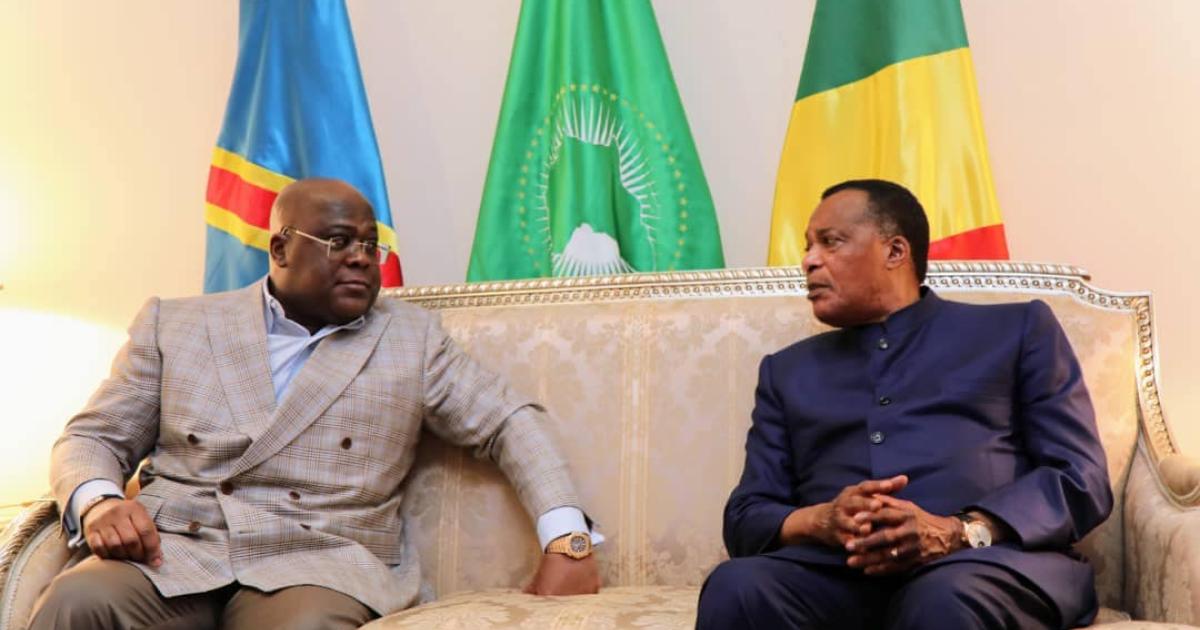
Kinshasa, Brazzaville: Joint Enquête on Fleuve Congo Incident
Summary
- A "confused situation" occurred on the Congo River between Yumbi, RDC, and Makotipoko, Congo-Brazzaville.
- Kinshasa and Brazzaville have activated their bilateral coordination mechanisms in response to the incident.
- A joint investigation has been launched to understand the circumstances surrounding the event.
- The matter was formally discussed during the 97th meeting of the Council of Ministers in the RDC on August 28, 2026.
- The incident and joint response were reported on Sunday, August 30, 2026, at 17:21.
Incident on the Congo River
Lawyers advising clients engaged in cross-border operations or fluvial transport on the Congo River should closely monitor the findings of this joint inquiry.
A recent incident has prompted a joint response from the Democratic Republic of Congo (RDC) and Congo-Brazzaville, highlighting the complexities of managing shared waterways. The event, described as a "confused situation," occurred on the Congo River, specifically in the stretch between Yumbi, located in the Maï-Ndombe province of the RDC, and Makotipoko, situated in neighboring Congo-Brazzaville. This particular segment of the fleuve Congo is a vital artery for regional transport and commerce, making any disruption a matter of significant concern for both nations.
The precise nature of the incident at Yumbi Makotipoko fleuve Congo has not been fully detailed, beyond its characterization as a "confused situation." However, its occurrence has been deemed significant enough to warrant high-level attention from both Kinshasa and Brazzaville. This immediate and coordinated reaction underscores the importance both nations place on maintaining stability and order along their shared riverine border, particularly concerning navigation, security, and the unimpeded flow of goods and people. The incident's ambiguous nature further emphasizes the need for a thorough and collaborative investigation to ascertain the facts.
Bilateral Response and Coordination
In the wake of this incident, both Kinshasa and Brazzaville have moved swiftly to activate their established mechanisms for bilateral coordination. This proactive step signals a commitment to addressing the situation collaboratively and transparently. A key outcome of this activation is the initiation of a joint investigation, an enquête transfrontalière fleuve Congo, aimed at thoroughly understanding the circumstances surrounding the event. An investigation has been opened to determine the exact circumstances of the incident.
The incident and the subsequent joint response were formally addressed during the 97th meeting of the Council of Ministers in the RDC, presided over by President Félix Tshisekedi on Friday, August 28, 2026. This commission serves as a crucial forum for discussing matters of mutual interest and resolving cross-border issues, including those pertaining to RDC Congo-Brazzaville coordination fluviale. The decision to launch a shared inquiry through this established channel emphasizes the diplomatic and cooperative approach being taken by both states to manage the incident and its potential ramifications.
Implications for Cross-Border Navigation
The ongoing Kinshasa Brazzaville incident fleuve Congo enquête carries significant implications for the future of cross-border operations and fluvial transport along this critical waterway. The joint investigation will likely scrutinize aspects of navigation rights, potential liabilities for parties involved, and the efficacy of existing protocols governing movement on the fleuve Congo. The outcome could inform future regulatory adjustments or enhanced cooperative frameworks for managing the river, potentially setting precedents for similar situations.
Lawyers advising clients engaged in cross-border operations or fluvial transport on the Congo River should closely monitor the findings of this joint inquiry. The results could potentially impact established navigation rights, clarify liability in future incidents, or lead to new regulatory changes affecting trade and movement between the RDC and Congo-Brazzaville. This incident, and the subsequent cooperation RDC Congo-Brazzaville incident response, underscores the dynamic nature of droit fluvial Congo and the continuous need for vigilance in this vital economic corridor. The joint approach taken by both governments highlights a commitment to shared governance over the river, which could influence future bilateral agreements. The source article detailing these developments was published on Sunday, August 30, 2026, at 17:21.
Practical Implications
Lawyers advising clients on cross-border operations or fluvial transport on the Congo River should monitor the outcome of this joint investigation for potential impacts on navigation rights, liability, or future regulatory changes affecting trade between RDC and Congo-Brazzaville.
Source
How does this affect you?
Get an AI analysis of this article grounded in your jurisdictions, practice areas, and any policy documents you've uploaded to Wansom.
Finish Reading the Full Story and the Expert Analysis.
Wansom is AI and can make mistakes.