
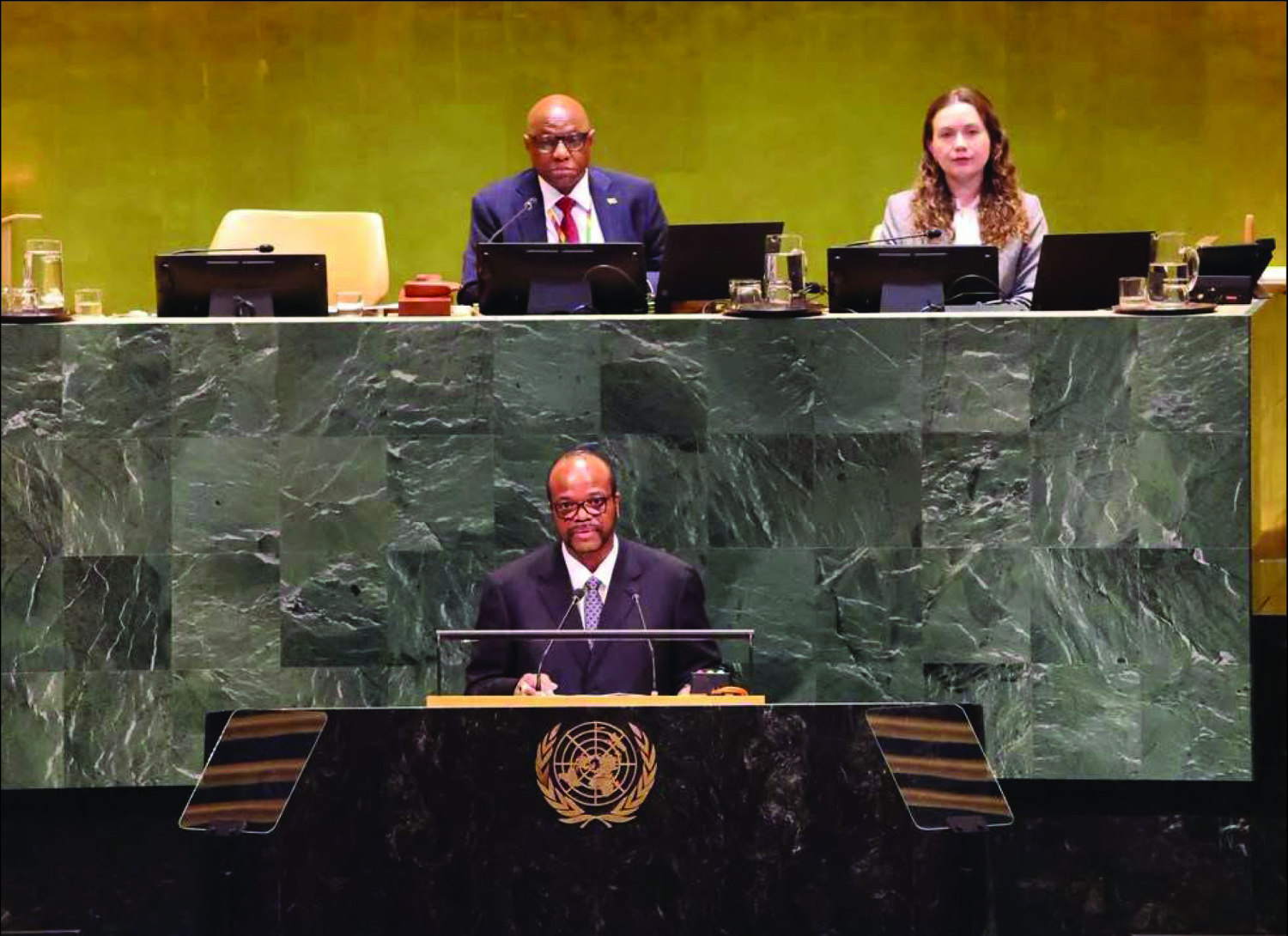
King Mswati III Climate Finance Eswatini: Demands Pledges Fulfilled
Summary
- King Mswati III of Eswatini has called on the international community to honor its climate finance commitments.
- This appeal comes as the 2026/27 El Niño rapidly intensifies, threatening Southern Africa with drought and Eastern Africa with severe flooding.
- The impacts of this severe El Niño event are expected to last through early 2027.
- The monarch's message highlights the urgent need for climate justice in vulnerable regions.
King Mswati III's Urgent Appeal
His Majesty King Mswati III of Eswatini has issued a strong appeal to the global community, emphasizing the critical need for nations to fulfill their pledges regarding climate finance.
His Majesty King Mswati III of Eswatini has issued a strong appeal to the global community, emphasizing the critical need for nations to fulfill their pledges regarding climate finance. This urgent plea comes as the 2026/27 El Niño phenomenon rapidly intensifies, posing significant environmental and humanitarian challenges across the African continent. The monarch's call underscores the growing concern among Southern African leaders regarding the tangible impacts of climate change on vulnerable populations, highlighting the disproportionate burden faced by developing countries.
The meteorological event is projected to unleash a severe dual impact across the continent, manifesting as widespread drought conditions throughout Southern Africa and intense flooding in various parts of Eastern Africa. These devastating effects are anticipated to persist until early 2027, exacerbating existing vulnerabilities and threatening livelihoods. King Mswati III's intervention highlights the immediate necessity for international cooperation and resource allocation to mitigate these impending crises, framing the issue as a matter of fundamental fairness.
The Imperative of Climate Justice
The monarch's statement underscores a broader demand for climate justice, advocating for equitable distribution of the burdens and benefits of climate action, particularly for regions disproportionately affected by global warming despite contributing minimally to its causes. The international community has made numerous commitments to provide financial support to developing nations for climate adaptation and mitigation efforts, yet the delivery on these pledges often falls short. Eswatini, like many other Southern African nations, faces the direct consequences of these unfulfilled promises.
This call for climate justice is rooted in the principle that those historically responsible for significant greenhouse gas emissions should bear a greater responsibility in assisting vulnerable countries. The escalating severity of events like the current El Niño amplifies the urgency of these financial transfers, which are crucial for building resilience, implementing sustainable practices, and protecting communities from extreme weather events. Without adequate international climate funding, nations like Eswatini are left to grapple with immense economic and social costs.
Regional Vulnerabilities and Future Outlook
The Southern African region, in particular, is bracing for what is anticipated to be one of the most extreme El Niño events on record. The projected drought conditions threaten food security, water availability, and agricultural productivity, which are vital for the economies and sustenance of millions. Simultaneously, the anticipated heavy flooding in Eastern Africa presents a different but equally destructive set of challenges, including displacement, infrastructure damage, and public health crises, further straining already limited resources.
These severe climatic shifts, expected to continue through early 2027, demand immediate and sustained international climate funding to support adaptation strategies and disaster response mechanisms. The King's appeal serves as a stark reminder that the failure to meet climate finance commitments has direct, devastating consequences for human lives and regional stability, potentially leading to increased migration and conflict. Addressing these challenges effectively requires not only financial aid but also a concerted global effort to acknowledge and act upon the principles of climate justice.
Practical Implications
Lawyers and compliance officers in Eswatini and Southern Africa should monitor the progress of these climate finance commitments. This could lead to new environmental regulations, funding opportunities for climate adaptation and mitigation projects, or increased litigation risks related to climate change impacts, requiring legal counsel on compliance and project financing.
Source
How does this affect you?
Get an AI analysis of this article grounded in your jurisdictions, practice areas, and any policy documents you've uploaded to Wansom.
Finish Reading the Full Story and the Expert Analysis.
Get the latest legal & regulatory intelligence in Eswatini
Wansom is AI and can make mistakes.