
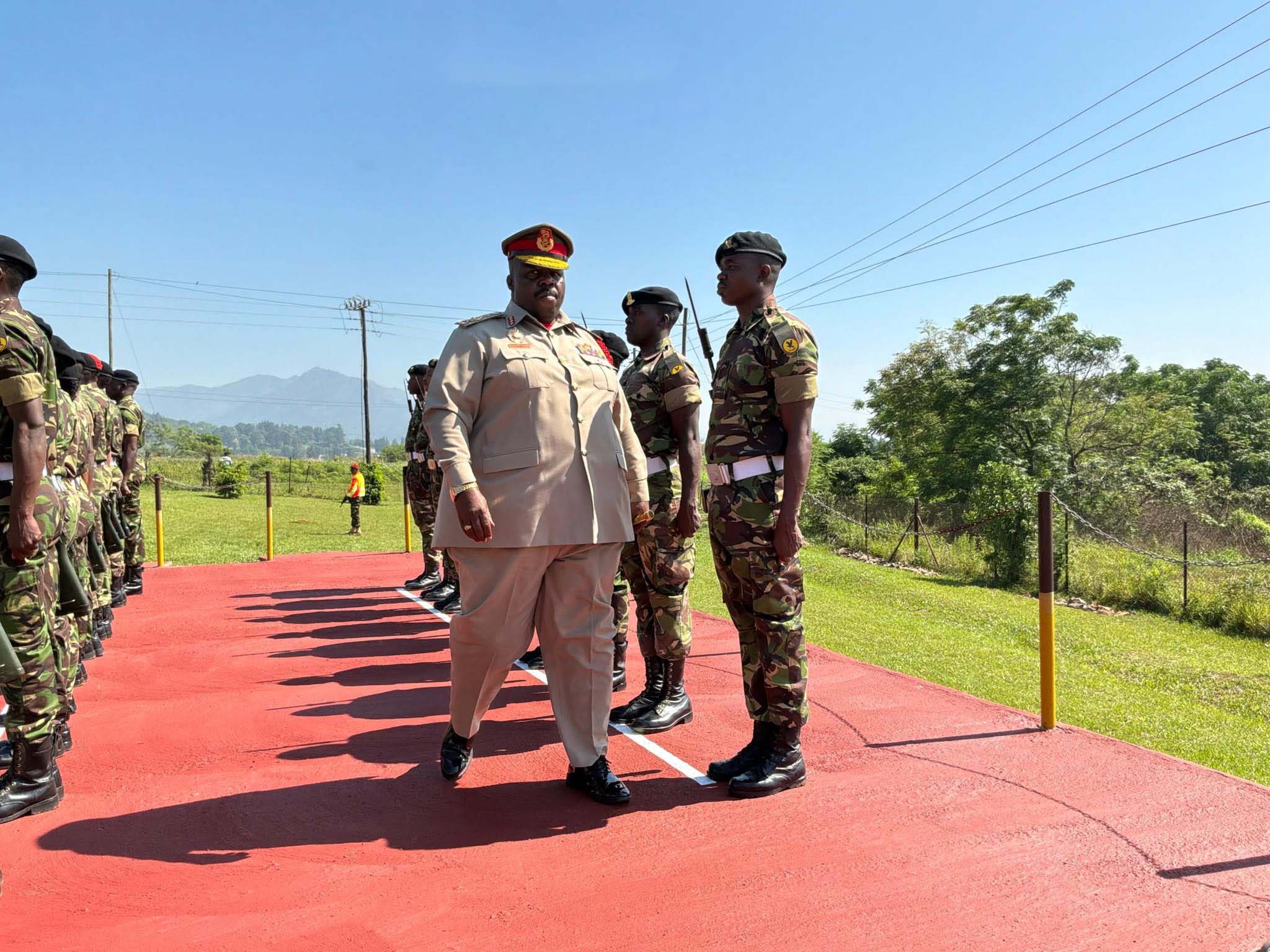
King Mswati Extends Fakudze Service: UEDF Commander Reappointed
Summary
- King Mswati III has extended the service of General Moses Mashikilisane Fakudze.
- General Fakudze will continue as the Commander of the Umbutfo Eswatini Defence Force (UEDF).
- The announcement was made by the principal secretary in the Ministry of Defence and National Security.
- The declaration occurred during General Fakudze's visit to Gcina Barracks.
Key Appointment Confirmed
The King Mswati extends Fakudze service through this decree, underscoring his confidence in the current command structure and its established operational methods.
His Majesty King Mswati III has issued a directive to prolong the tenure of General Moses Mashikilisane Fakudze as the Commander of the Umbutfo Eswatini Defence Force (UEDF). This significant decision ensures that General Fakudze will continue to preside over the nation's armed forces, maintaining continuity in the country's military leadership. The King Mswati extends Fakudze service through this decree, underscoring his confidence in the current command structure and its established operational methods.
The official communication regarding this General Moses Fakudze extension was delivered by the principal secretary of the Ministry of Defence and National Security. The announcement took place during a visit by General Fakudze to Gcina Barracks, a setting that lent a formal weight to the declaration of his continued service. This UEDF Commander reappointment signifies a stable direction for Eswatini's defense apparatus, avoiding any potential disruption that a change in leadership might entail. The public notification by a high-ranking civilian official within the defense ministry highlights the formal process involved in such a critical appointment.
Royal Prerogative in Eswatini's Defense
The authority to appoint and extend the service of high-ranking military officials, such as the UEDF Commander, rests solely with the monarch in Eswatini. This exercise of royal prerogative by King Mswati III highlights the centralized nature of power within the kingdom, particularly concerning national security and defense matters. The King Mswati III decree is therefore a direct manifestation of the sovereign's role as the supreme commander of the armed forces, a position that grants him ultimate decision-making power over military personnel and strategy.
Such decisions are crucial for maintaining stability and discipline within the military ranks, as they emanate from the highest authority. The extension of General Fakudze's service, rather than the appointment of a new leader, suggests a preference for experienced leadership and a consistent strategic approach for Eswatini military leadership. This continuity is often viewed as beneficial for long-term planning and operational effectiveness, ensuring that existing policies and reforms can be fully implemented without interruption. The King's decision reflects a deliberate choice to maintain the status quo at the apex of the defense force.
Implications for National Security and Stability
The decision to extend General Fakudze’s term as the head of the Umbutfo Eswatini Defence Force carries considerable weight for the nation's security posture. By retaining an experienced leader, King Mswati III ensures that the UEDF benefits from established command and control, which is vital for both internal stability and external defense capabilities. This General Moses Fakudze extension reinforces the existing framework of military operations and policy, providing a clear signal of continuity to both domestic and international observers.
This reappointment also sends a clear signal about the direction of Eswatini's defense strategy. The continued presence of General Fakudze at the helm suggests that the current military objectives and operational doctrines are likely to be sustained, fostering predictability in the nation's security apparatus. The King Mswati extends Fakudze service, thereby affirming the current trajectory of the armed forces and their role in safeguarding the kingdom. The stability in Eswatini military leadership provided by this decree is a key factor in regional security considerations, as it projects an image of unwavering command and strategic consistency. This move is designed to ensure the smooth functioning of the defense force without any transitional challenges.
Practical Implications
This news concerns a military leadership appointment and does not present a direct actionable legal or compliance implication for lawyers in typical practice areas. It is a matter of public administration and defense policy.
Source
How does this affect you?
Get an AI analysis of this article grounded in your jurisdictions, practice areas, and any policy documents you've uploaded to Wansom.
Finish Reading the Full Story and the Expert Analysis.
Get the latest legal & regulatory intelligence in Eswatini
Wansom is AI and can make mistakes.