
Uganda Police: 12 Teens Arrested for Kibuli Student Assault
Summary
- Twelve teenagers have been arrested in Uganda following the assault of a fellow student near Kibuli Mosque.
- The incident was captured in a 10-second video showing a group of youths surrounding the victim before one punched him unconscious.
- The video circulated widely on social media, serving as key evidence in the arrests.
What Happened
The prevalence of social media video evidence in Uganda crime cases, as demonstrated here, is increasingly influencing law enforcement's ability to identify perpetrators and build cases.
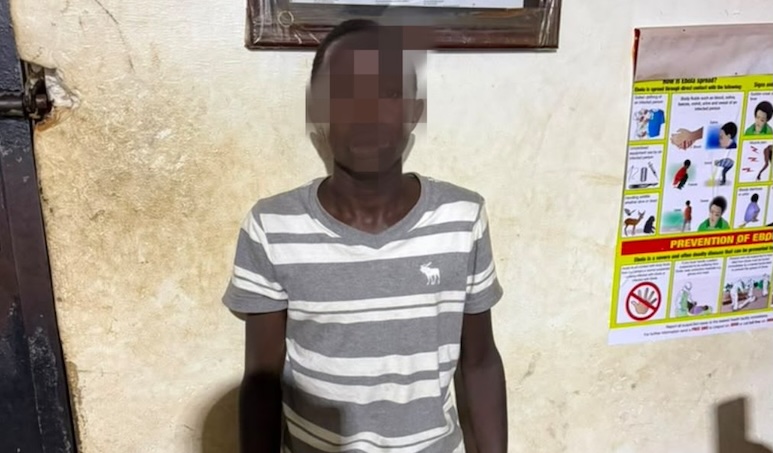
Police in Uganda have taken into custody a dozen teenagers following a violent incident near Kibuli Mosque, where a fellow student was reportedly assaulted. The arrests stem from a widely circulated social media video, approximately ten seconds in length, which graphically depicts the attack. The footage shows a group of youths encircling the victim, effectively blocking any potential escape routes. One individual from the group then delivers a punch that renders the student unconscious. This Kibuli student assault, involving 12 teens and leading to their arrest in Uganda, has drawn significant public attention due to the clear visual evidence.
The disturbing video, which quickly gained traction across various social media platforms, served as crucial evidence in the police investigation. It captured the entire sequence of events, from the initial confrontation to the moment the victim lost consciousness. The incident underscores concerns regarding youth violence within educational environments and the role of digital platforms in documenting and disseminating such occurrences. The swift police action in making these Uganda juvenile assault arrests highlights the authorities' response to incidents amplified by public sharing.
Legal and Enforcement Response
The arrests of the twelve minors by Ugandan police underscore the serious legal ramifications associated with such acts of violence. While specific charges were not detailed in initial reports, the nature of the incident, as captured on video, strongly suggests potential charges under Uganda's criminal law framework pertaining to assault. The involvement of multiple individuals in surrounding and cornering the victim before the decisive blow could also lead to considerations of group liability or conspiracy in the Kibuli youth violence charges.
The prevalence of social media video evidence in Uganda crime cases, as demonstrated here, is increasingly influencing law enforcement's ability to identify perpetrators and build cases. The clear visual record of the assault, showing the group's coordinated actions and the punch that caused unconsciousness, provides compelling evidence for investigators. This incident serves as a stark reminder that actions, particularly those involving physical harm, can be quickly documented and shared, leading to rapid police arrests of minors in Uganda for assault.
Societal and Educational Implications
This particular incident, involving a student assault and subsequent arrests, casts a spotlight on the broader issue of youth violence in Uganda. The fact that the assault occurred near a prominent landmark like Kibuli Mosque and was perpetrated by a group of teenagers against a peer raises questions about safety within communities and around educational institutions. The widespread dissemination of the video on social media not only brought the incident to public attention but also likely expedited the police response, showcasing the dual-edged sword of digital platforms in contemporary society.
The case highlights the critical role that video evidence plays in modern criminal investigations, particularly in instances of juvenile assault. Such visual documentation can be instrumental in securing convictions and ensuring accountability, thereby reinforcing the importance of addressing youth violence proactively. For educational institutions and parents alike, this event serves as a somber reminder of the challenges in preventing and responding to aggression among young people, urging a re-evaluation of strategies for student conduct and conflict resolution.
Practical Implications
This incident highlights the increasing prevalence of juvenile assault cases in Uganda, often amplified by social media. Lawyers specializing in criminal defense should note the potential for video evidence to influence such cases, while those advising educational institutions should review policies on student conduct and violence prevention.
Source
How does this affect you?
Get an AI analysis of this article grounded in your jurisdictions, practice areas, and any policy documents you've uploaded to Wansom.
Finish Reading the Full Story and the Expert Analysis.
Get the latest legal & regulatory intelligence in Uganda
Wansom is AI and can make mistakes.