
Khartoum Drone Attack: UN Facility Hit, Staff Injured
Summary
- A drone attack on Sunday, November 23, 2026, in Khartoum, Sudan, resulted in four fatalities, including one child.
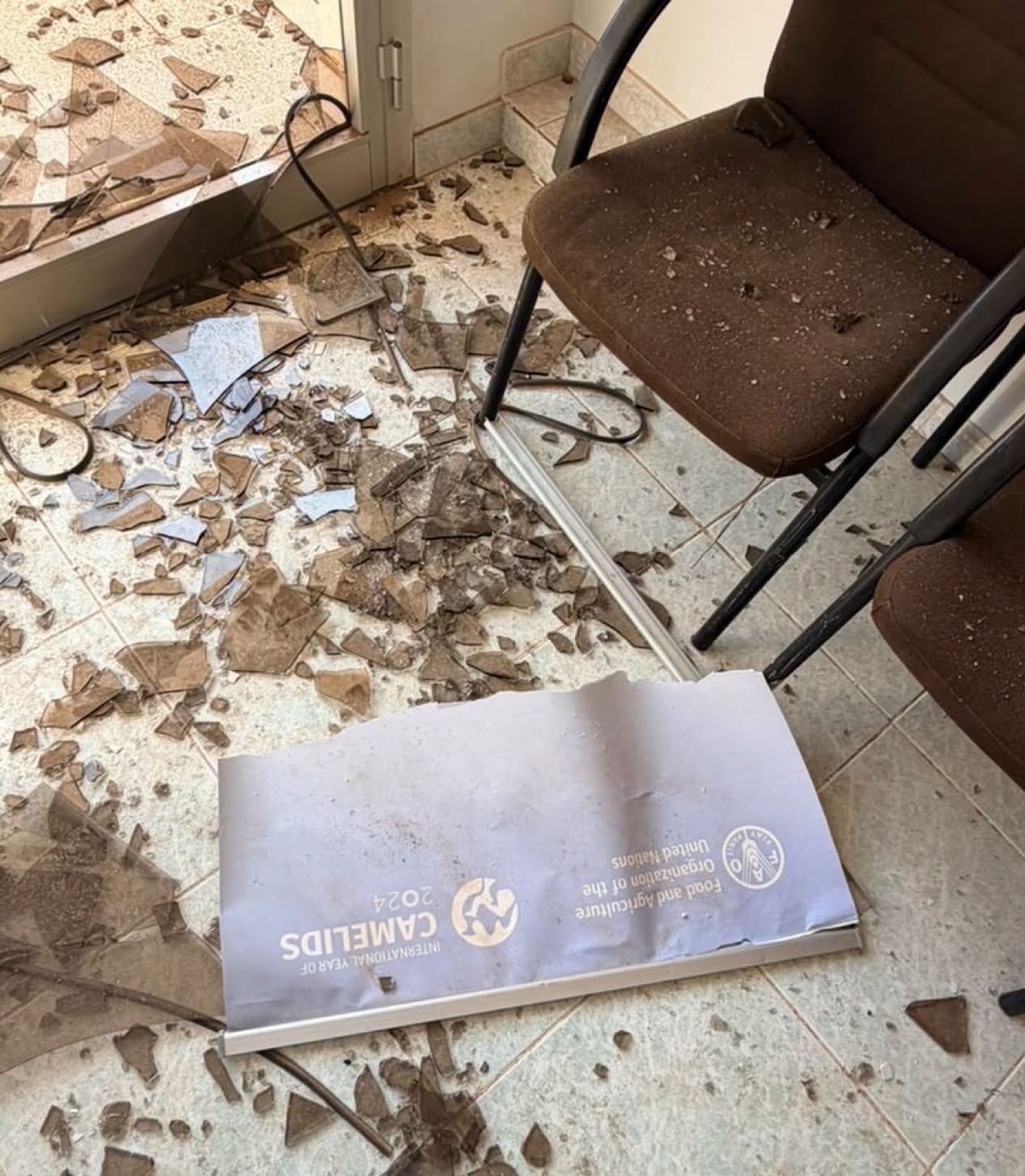
- A United Nations facility, identified as belonging to the Food and Agriculture Organization (FAO), was partially destroyed, and UN staff inside were injured.
- The attacks targeted Khartoum Airport, a military zone in Omdurman, and a UN building located in a residential area.
- Arab states, including Saudi Arabia and Qatar, condemned the aggressions, emphasizing the need to respect International Humanitarian Law.
- The Saudi Foreign Ministry specifically called for the protection of civilians, civilian infrastructure, and international organization premises.
Drone Strikes Rock Khartoum
This incident serves as a stark reminder of the ongoing and severe violations of International Humanitarian Law in Sudan, particularly concerning the protection of civilians and international humanitarian personnel and facilities.
On Sunday, November 23, 2026, Sudan's capital, Khartoum, was subjected to a series of drone attacks that resulted in the deaths of four individuals, including a child. The aerial assaults also caused injuries to United Nations personnel and inflicted damage upon a UN-affiliated building. Army defenses reportedly intercepted a swarm of drones in the early hours of Sunday morning across both southern and northern Khartoum.
These coordinated drone strikes appeared to target critical infrastructure, specifically Khartoum Airport, and the military zone situated in Omdurman. The widespread nature of the attacks across different parts of the capital underscores the volatile security situation in the region, impacting both military installations and civilian areas. The incident highlights the severe risks faced by residents and international organizations operating within the conflict zone.
Humanitarian Facilities Under Attack
Among the sites hit during the Sunday drone offensive was a United Nations compound located within a residential neighborhood of Khartoum. Denise Brown, the UN Humanitarian Coordinator for Sudan, confirmed on Sunday that this UN facility sustained damage from a drone strike while staff members were present inside, leading to several injuries among them. Investigations by "Sudan Tribune" identified the damaged structure as belonging to the Food and Agriculture Organization (FAO), noting that it suffered partial destruction.
This direct targeting of a humanitarian facility, particularly one housing international staff, raises serious concerns about the protection of aid workers and their premises in conflict zones. The presence of the FAO Sudan building attack within a civilian residential area further complicates the situation, blurring lines between military and civilian targets and increasing the risk to non-combatants. The incident underscores the urgent need for adherence to international protocols designed to safeguard humanitarian operations.
International Condemnation and Legal Obligations
The Khartoum drone attack UN facility and the broader strikes against the capital drew swift condemnation from several Arab states. The Saudi Arabian Ministry of Foreign Affairs issued a strong statement denouncing the attacks, specifically mentioning the targeting of the UN building, the civilian casualties, and the damage to civilian properties and infrastructure. Saudi Arabia unequivocally rejected these aggressions, stressing the imperative to uphold International Humanitarian Law (IHL).
The Saudi statement further emphasized the critical importance of protecting civilians, civilian installations, and the headquarters of international organizations, alongside ensuring the safety of their staff. It called for an end to the suffering endured by the Sudanese populace and reiterated Saudi Arabia's consistent position advocating for the preservation of Sudan's security, stability, unity, sovereignty, and its institutions. In a similar vein, the Qatari Ministry of Foreign Affairs also condemned the attacks that struck the Sudanese capital, joining other Arab states condemn Khartoum attack.
Persistent Violations of International Law
This incident serves as a stark reminder of the ongoing and severe violations of International Humanitarian Law in Sudan, particularly concerning the protection of civilians and international humanitarian personnel and facilities. The explicit targeting of a UN facility, even if unintended, highlights the dangers faced by those providing essential aid in conflict-affected regions. Such actions contravene fundamental principles of IHL, which mandate the distinction between combatants and civilians, and between military objectives and civilian objects, further exacerbating the Sudan drone strikes civilians issue.
The international community's repeated calls for adherence to these laws underscore the gravity of the situation. For legal professionals advising clients with operations or staff in conflict zones like Sudan, this event necessitates a rigorous assessment of heightened risks. It compels a review of security protocols and a deeper understanding of the legal ramifications of such attacks, including potential accountability for breaches of IHL, for all parties involved in the Sudan conflict, especially given the UN staff injured Khartoum.
Practical Implications
This incident underscores the severe and ongoing violations of International Humanitarian Law (IHL) in Sudan, specifically regarding the protection of civilians and international humanitarian personnel and facilities. Lawyers advising clients with operations, staff, or interests in conflict zones like Sudan must assess heightened risks, review security protocols, and understand the legal implications of such attacks, including potential accountability for IHL breaches. Compliance officers should update risk assessments for personnel and assets in high-risk regions, considering the explicit targeting of international organizations.
Source
How does this affect you?
Get an AI analysis of this article grounded in your jurisdictions, practice areas, and any policy documents you've uploaded to Wansom.
Finish Reading the Full Story and the Expert Analysis.
Get the latest legal & regulatory intelligence in Sudan
Wansom is AI and can make mistakes.